 Henan Otywell Electronic Technology Co., Ltd

A purchase request for a “nitrogen oxide detector” can end with the wrong instrument. Nitric oxide is NO. Nitrogen dioxide is NO2. A detector configured for one does not become a detector for the other because both gases belong to the nitrogen-oxide family.
The distinction matters at the equipment level. A worker carrying a monitor through a production area needs a different arrangement from a fixed point watching a gas-handling station. Where both NO and NO2 are plausible, the channel list must name them separately. This guide focuses on buying a nitric oxide gas detector for workplace air, not on process-gas analysis or medical NO delivery equipment.
Start with the equipment duty: Use a portable NO-configured detector when the measurement follows a worker or inspection task; consider pump suction when the sample point is away from the instrument; specify a fixed detector and a complete receiving alarm path when a chosen location needs continuous warning. Then confirm the fitted NO channel, selected range, alarm function, accessories and whether a separate NO2 channel is needed.
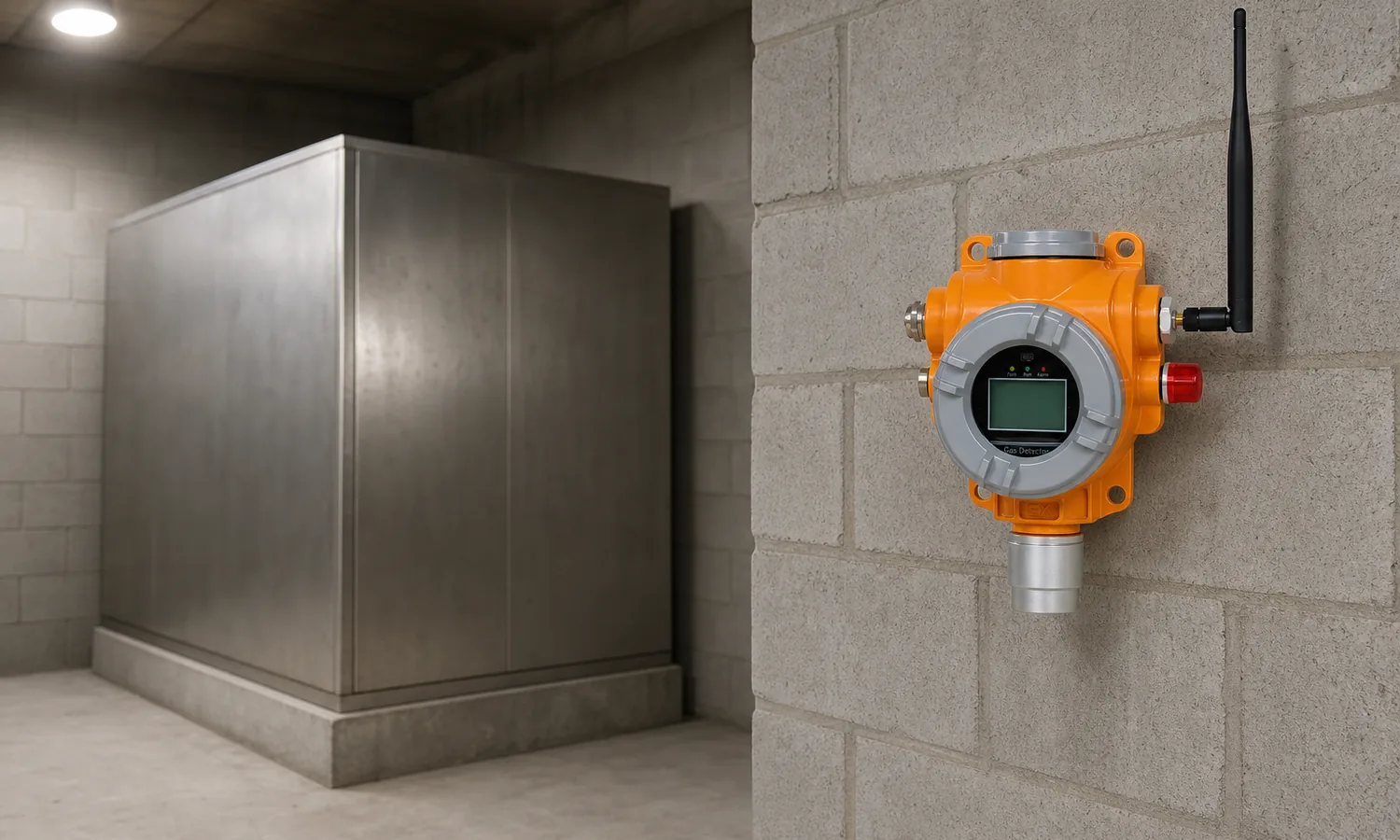
Write “NO” on the Order, Not Just “Nitrogen Oxides”
NO, NO2 and N2 are different purchase specifications. NO is nitric oxide, NO2 is nitrogen dioxide, and N2 is nitrogen gas. An oxygen-deficiency monitor in a nitrogen equipment room measures oxygen in ambient air; it does not report an NO concentration. A device displaying a combined NOx result also should not be assumed to provide an independently displayed NO reading.
For an enquiry, state the chemical name, formula and intended unit together: “nitric oxide (NO), ppm in workplace air.” If other nitrogen oxides may be present, name the additional channel or measurement separately. This is especially important when quotations use broad phrases such as “toxic gases” or “nitrogen oxide monitoring” without an actual channel schedule.
NO can occur alongside NO2 in industrial environments. An OSHA workplace sampling method for NO notes that the two commonly coexist and identifies several industrial operations where NO exposure may arise. That does not mean every location requires the same two-channel package. It means the site should check which gas or gases its work can produce before selecting equipment.
Useful wording for the quotation: “List NO and NO2 separately. For each proposed instrument, identify the gas channel actually installed, the selected ppm range and the display label.”
Match the Detector Format to the Work
Consider a plant with a defined gas-handling point, a maintenance team that moves between rooms and an occasional check inside an enclosure. A fixed unit can watch the first point, but it cannot follow the maintenance team. A worn detector travels with the worker, but it does not keep watching an unattended room. A probe can reach the enclosure, but its complete sampling path must be part of the equipment package.

| Measurement task | Equipment to compare | What the buyer must specify |
|---|---|---|
| A worker moves between several work positions | Portable natural-diffusion NO detector | Fitted NO channel, worn position, visible and audible alarm functions, power arrangement |
| Air must be checked at a remote opening or recess | Portable pump-suction NO detector | Probe position, tubing, filter if used, flow check and response of the assembled path |
| One process location needs continuous warning | Fixed NO detector with a receiving alarm route | Inlet location, mounting, power, receiver, local or remote annunciation and fault indication |
This is a division of jobs, not a ranking of detector quality. Some sites need more than one format. The task list tells the buyer how many measurement points and users must be covered before prices are compared.
Portable NO Equipment for Moving Work
A diffusion unit samples air at its own inlet. That makes the wearing position part of the specification: a monitor behind a jacket or inside a bag may not see the same air as an unobstructed unit at the intended position. Check how workers will carry the instrument during normal movement and whether they can notice its available alarm modes amid the actual noise and protective equipment of the task.
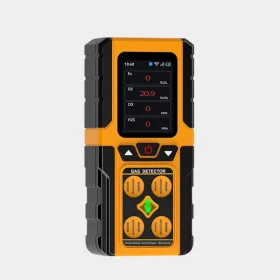
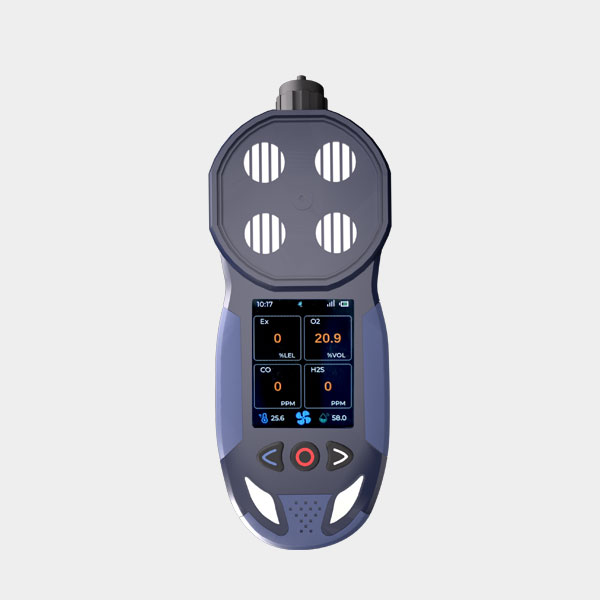
G40S offers natural-diffusion portable detection with sound, light and vibration alarms. OT135S is available in natural-diffusion and built-in pump-suction versions. Their configurable gas lists include nitric oxide, but a model name alone does not identify the channel fitted to the unit being purchased. Require the NO configuration and range in the order line.
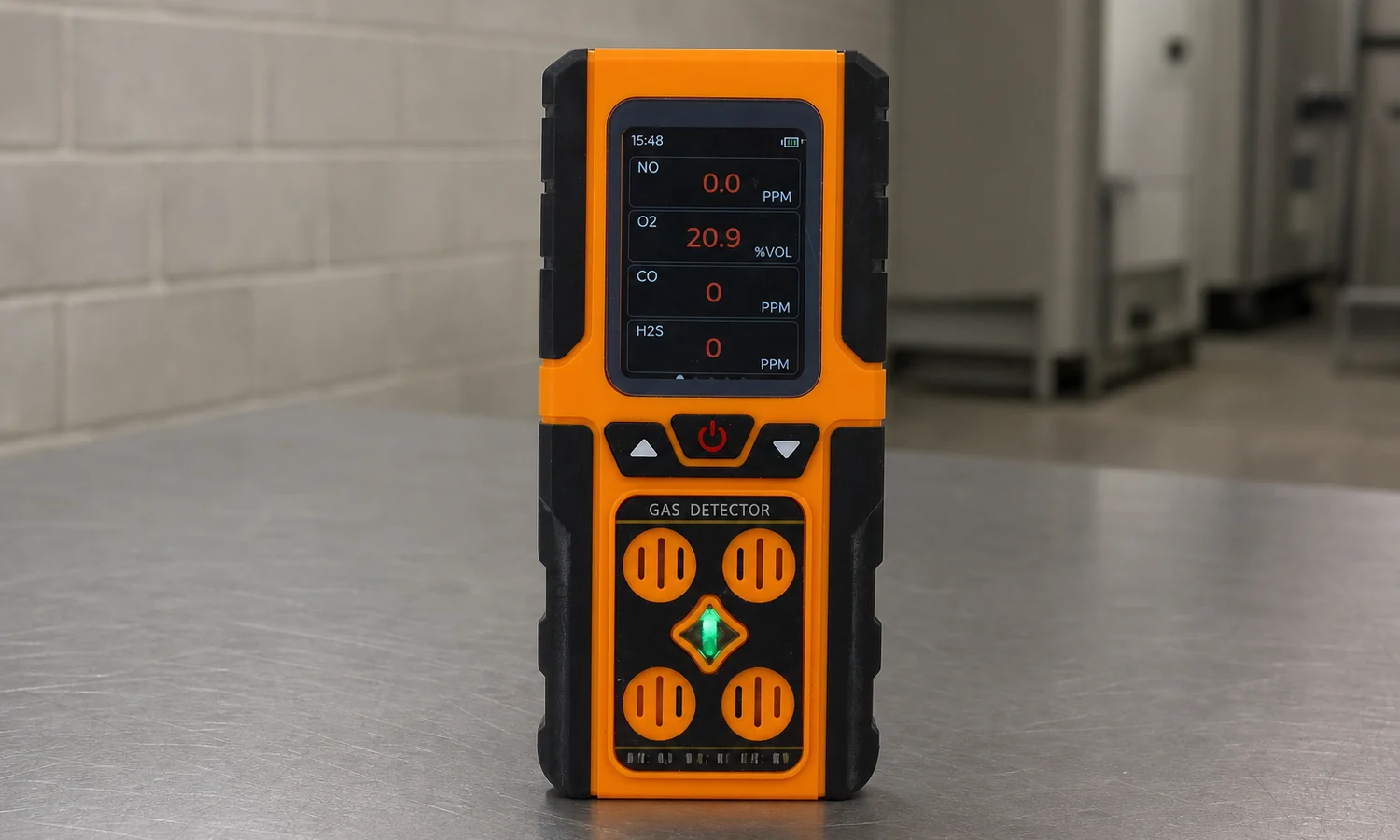
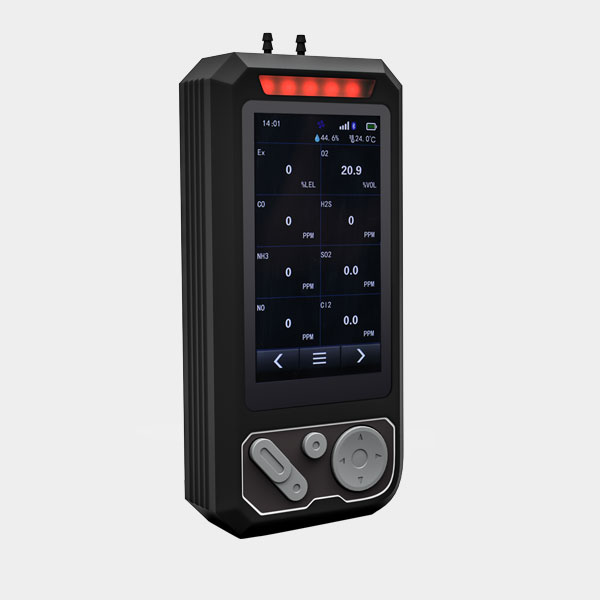
For a recessed connection or an opening that should be sampled from a distance, the OT135S pump-suction version or a pump-suction OT139 can move the sampling point to a probe tip. The quoted package should identify the proposed probe and line, any filter, the flow or blockage indication and how the complete arrangement will be checked. A pump’s own specification is not a substitute for checking the assembly used on site.
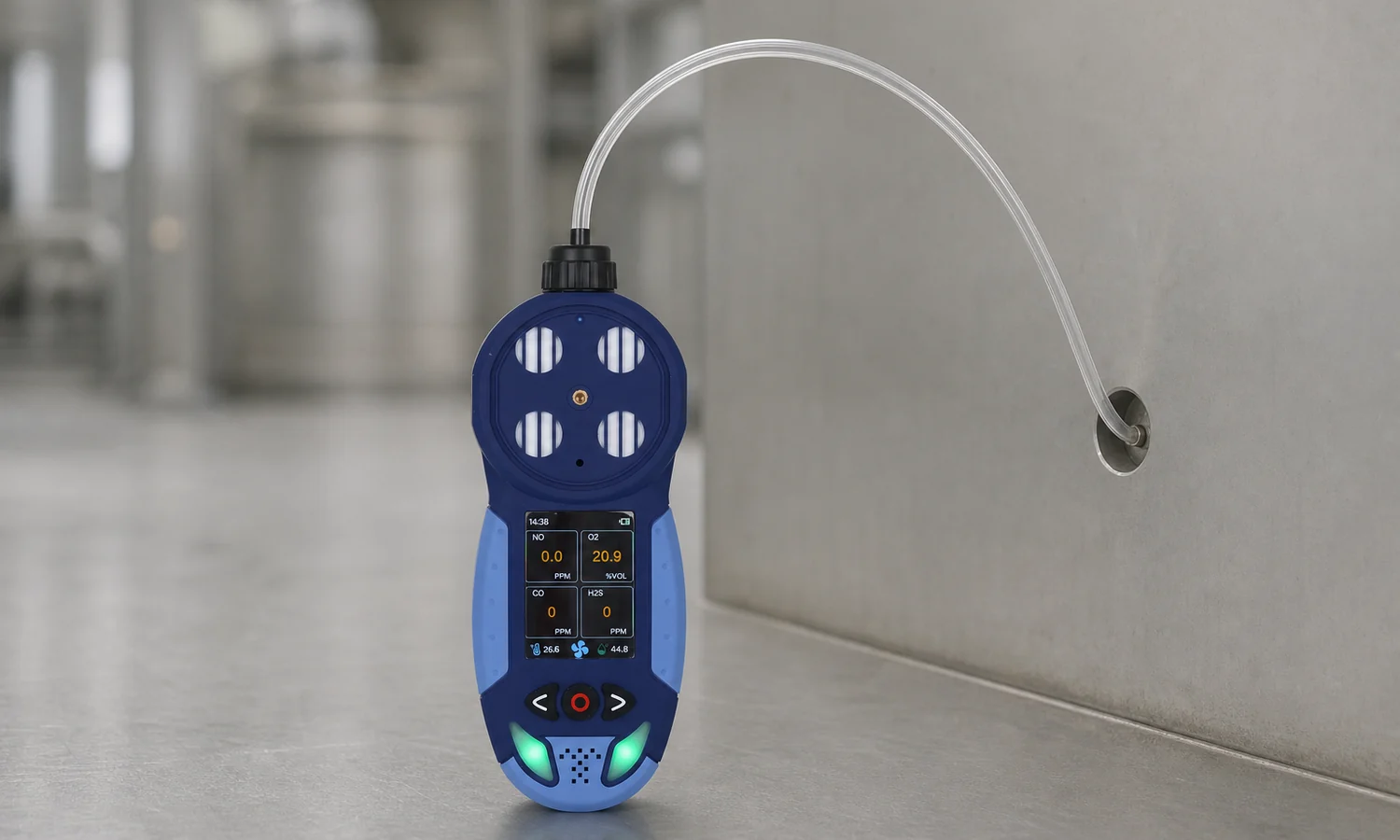
Fixed NO Equipment for a Defined Point
A fixed detector is useful when a chosen position needs to be monitored while personnel are elsewhere. Put that position on a layout drawing with the likely release point, ventilation flow, access route and nearby occupied areas. The drawing should explain why the proposed inlet can receive air from the event it is intended to warn about; a convenient wall position is not enough.
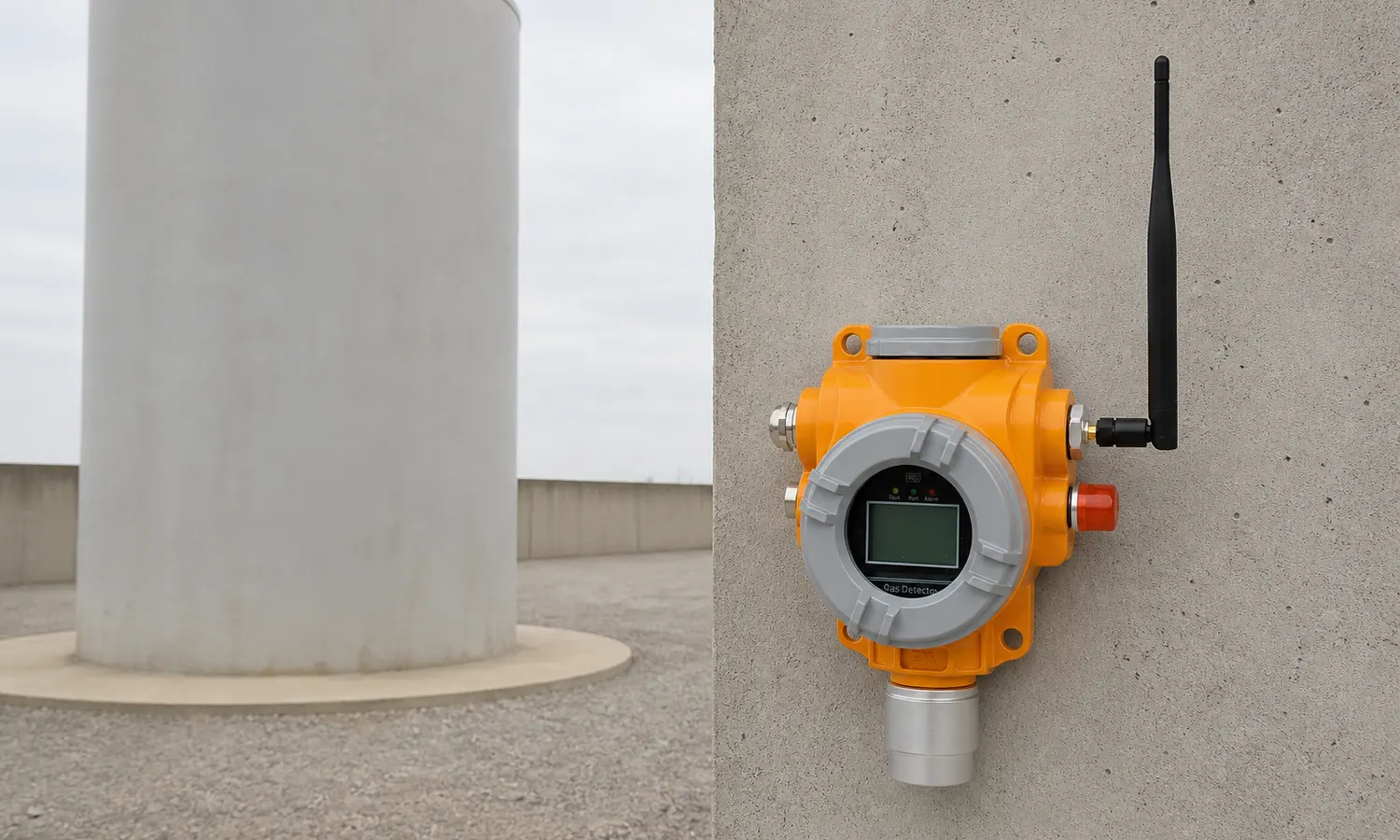
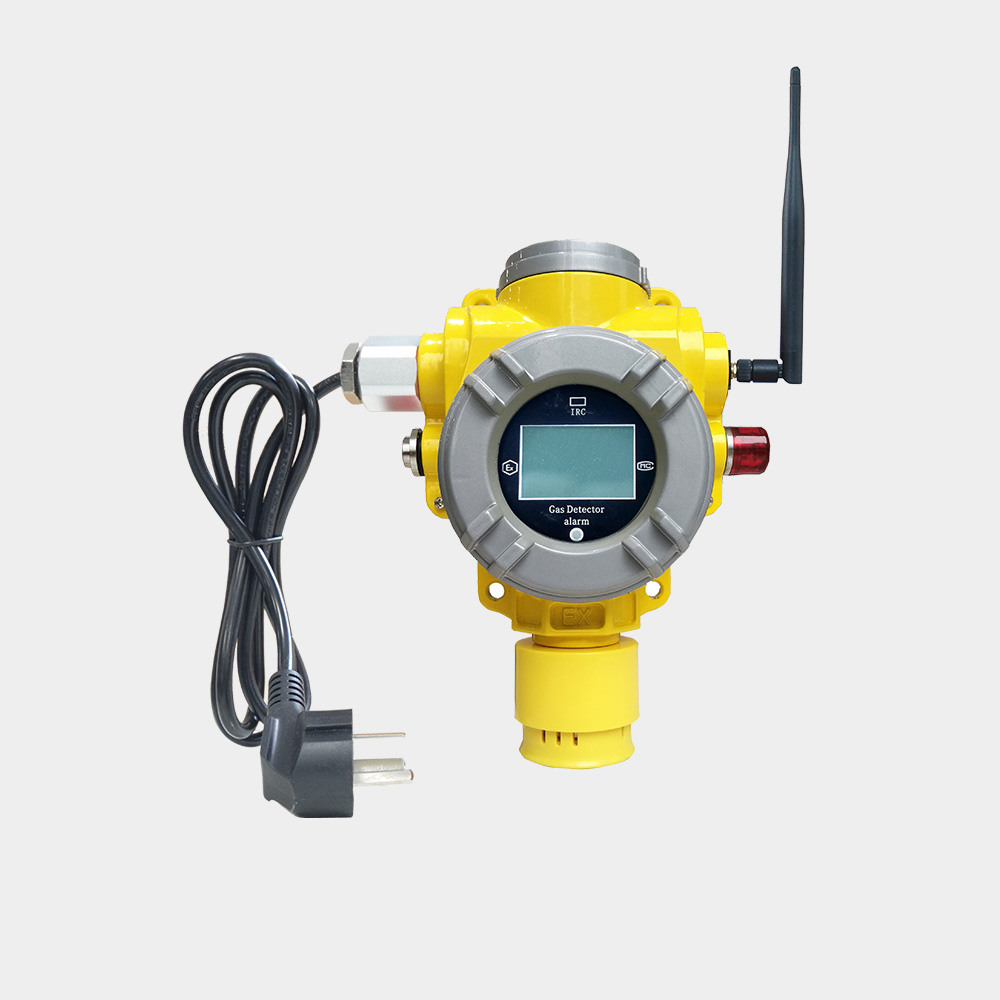
TCB2-W is a fixed natural-diffusion unit that transmits gas concentration data to a monitoring unit through 433 wireless communication. For an NO enquiry, specify the NO configuration and ask whether the monitoring unit, mounting parts and required warning outputs are included. A radio link does not define who hears an alarm or what happens if the signal is lost. Those functions need to appear in the system specification and handover check.
If the process can also produce NO2, the fixed-system schedule should show whether that gas requires a separate channel and measurement point. Our nitrogen dioxide detector guide covers the NO2-specific selection questions; this article remains about the NO purchase.
Otywell Equipment Formats to Review
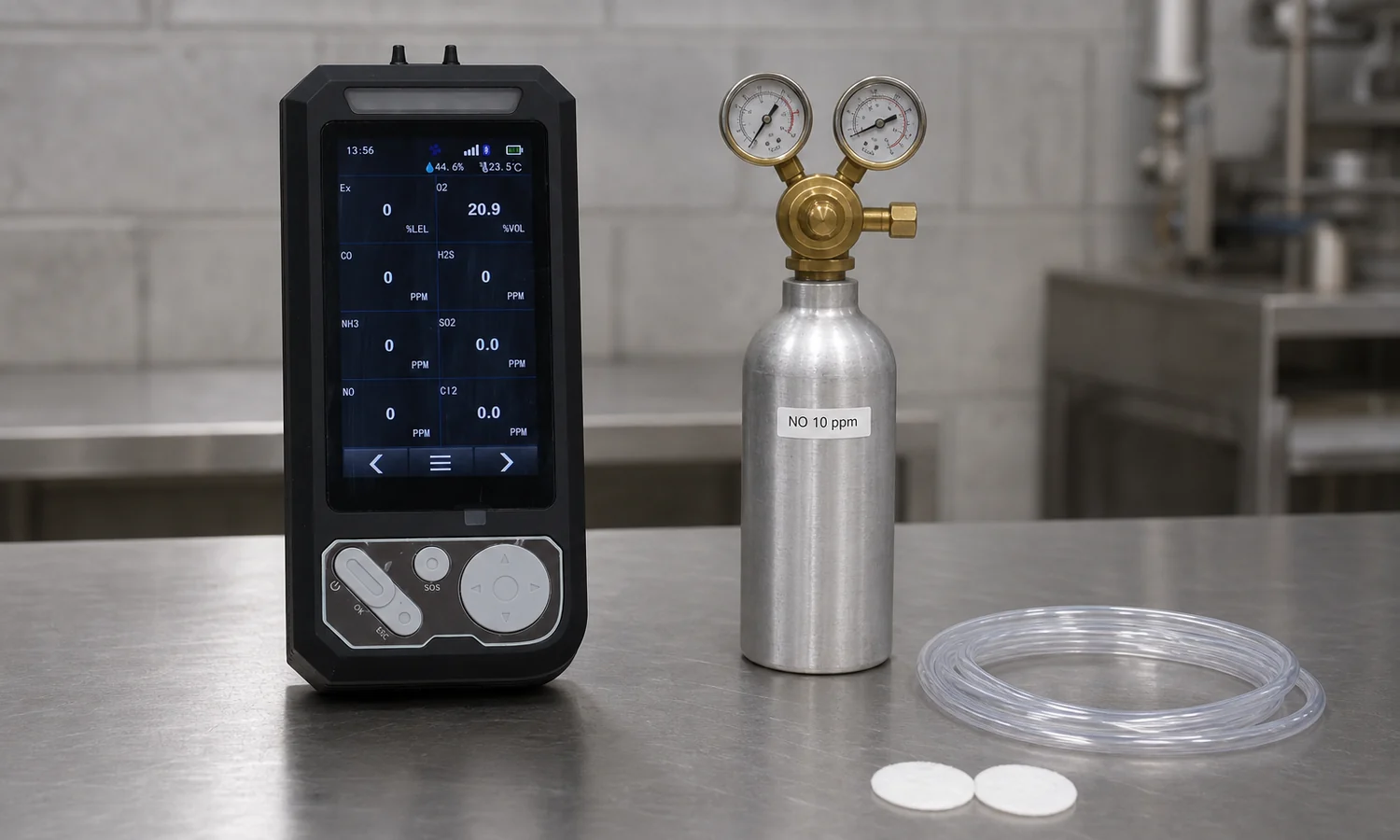
The four devices below have different sampling and alarm formats, and nitric oxide appears as a configurable gas option for each. Confirm the ordered NO channel and range before treating a pictured or quoted device as NO-ready.
Check Performance at the Concentration That Matters
The Otywell gas-option tables show nitric oxide at 0–250 ppm, with other optional ranges. That information helps identify possible configurations. It does not prove that every pictured device contains an NO channel, and it does not tell the buyer how a particular unit performs near the concentration where a decision must be made.
Ask for the selected configuration’s range, resolution, stated accuracy, response conditions and known interferences. A 1 ppm display step is a display increment, not a guarantee of 1 ppm measurement accuracy. The buyer also needs to distinguish a real-time alarm from an exposure measurement averaged over a work period. The NIOSH Pocket Guide entry for nitric oxide supplies hazard and exposure-reference information, but it does not set the alarm points of a specific Otywell installation.
Where NO and NO2 may coexist, ask whether the proposed NO channel has documented interference from NO2 and whether a separate NO2 measurement is required. Do not infer one gas’s concentration from the other detector’s reading.
What a Comparable NO Equipment Quote Should Contain
| Quote line | Detail to request | Why it changes the purchase |
|---|---|---|
| Detector configuration | Exact model, fitted NO channel, selected range and unit | A gas option is not proof of the shipped configuration. |
| Measurement performance | Resolution, accuracy, response conditions and relevant interference information | The full-scale number alone cannot answer low-end performance questions. |
| Portable package | Wear or carry arrangement, charging or battery items, and alarms | A worker must be able to carry and notice the unit during the task. |
| Pumped package | Probe, tubing, filters if required, flow check and approved assembled-path test | The useful sample point is at the probe, not at the detector body. |
| Fixed package | Mounting, power, receiver, alarm outputs and fault indication | A detector head alone is not a complete warning system. |
| Handover | Actual channel schedule, test method, accessories and device identifiers | Delivered equipment can then be checked against the order. |
For a site with two distinct duties, request two line items rather than a vague “multi-purpose” instrument. A portable NO alarm and a fixed NO point may share a gas name while requiring different accessories, mounting, power and warning routes.
Check the Delivered System, Not Just the Screen
At handover, compare the model label, fitted gas channel and range with the order. Check the available local alarm modes where the portable unit will be worn. For a pumped unit, check the specified probe and line together with the instrument. For a fixed system, confirm that the intended receiver identifies the right detector and that an alarm or fault reaches the named destination.
Keep a record of what was tested, including the instrument ID, configuration, test method and recipient of the alarm. A functional challenge and an accuracy adjustment are different operations; use the manufacturer’s procedure for the NO configuration rather than transferring a method from another gas channel. If later work introduces a second nitrogen oxide, review the channel schedule before assuming the existing installation covers it.
Ask for a Complete NO-Configured Proposal
Describe the work positions and fixed points, then request the installed NO channel, selected range, included accessories and alarm route as one itemized equipment package. State any separate NO2 requirement explicitly.
Frequently Asked Questions
Can a nitrogen dioxide detector measure nitric oxide?
Not by its NO2 label alone. The quoted instrument needs a separate NO-capable channel to report nitric oxide. Check the delivered channel list.
Does a standard four-gas monitor include NO?
Do not assume it does. Specify an installed nitric oxide channel and its range; a general four-gas description does not establish NO detection.
When should a buyer choose a pump-suction NO detector?
Review pump suction when the required sample point is away from the instrument body. Include the proposed probe, line and complete-path check in the purchase.
Can one fixed detector represent several rooms?
A natural-diffusion detector reads air at its installed inlet. Separate rooms or release points need a location and coverage plan; one head cannot be assumed to represent all of them.
Does “nitric oxide” in a gas table mean the detector ships with NO fitted?
No. It identifies an available configuration. The quotation and delivery documents should name the actual fitted NO channel and selected range.
Should NO and NO2 be listed together on an enquiry?
If both gases are relevant to the process, list them separately and ask for separate channel and performance information. A combined “NOx” label does not establish an individual NO reading.
What should be checked when the NO equipment arrives?
Match the model, NO channel, range and accessories to the order. Then check the intended sampling path, alarm destination and fault indication using the procedure for the delivered configuration.

WeChat
Scan the QR Code with wechat