 Henan Otywell Electronic Technology Co., Ltd

UM single gas detector is the right choice when a documented assessment identifies one monitoring target and the ordered sensor, range and alarm functions match that task. Choose a multi-gas monitor when workers may face several atmospheric hazards, when conditions change between jobs, or when one instrument must check more than one gas at the same time.
The number of sensors is only one part of the purchase. A buyer must also define how the instrument will be used, de onde vem a amostra, which readings are needed, what happens when it alarms and how the unit will be tested and maintained. This guide compares portable single-gas and multi-gas instruments for industrial work. Final selection still requires a site-specific risk assessment and review by a qualified person.
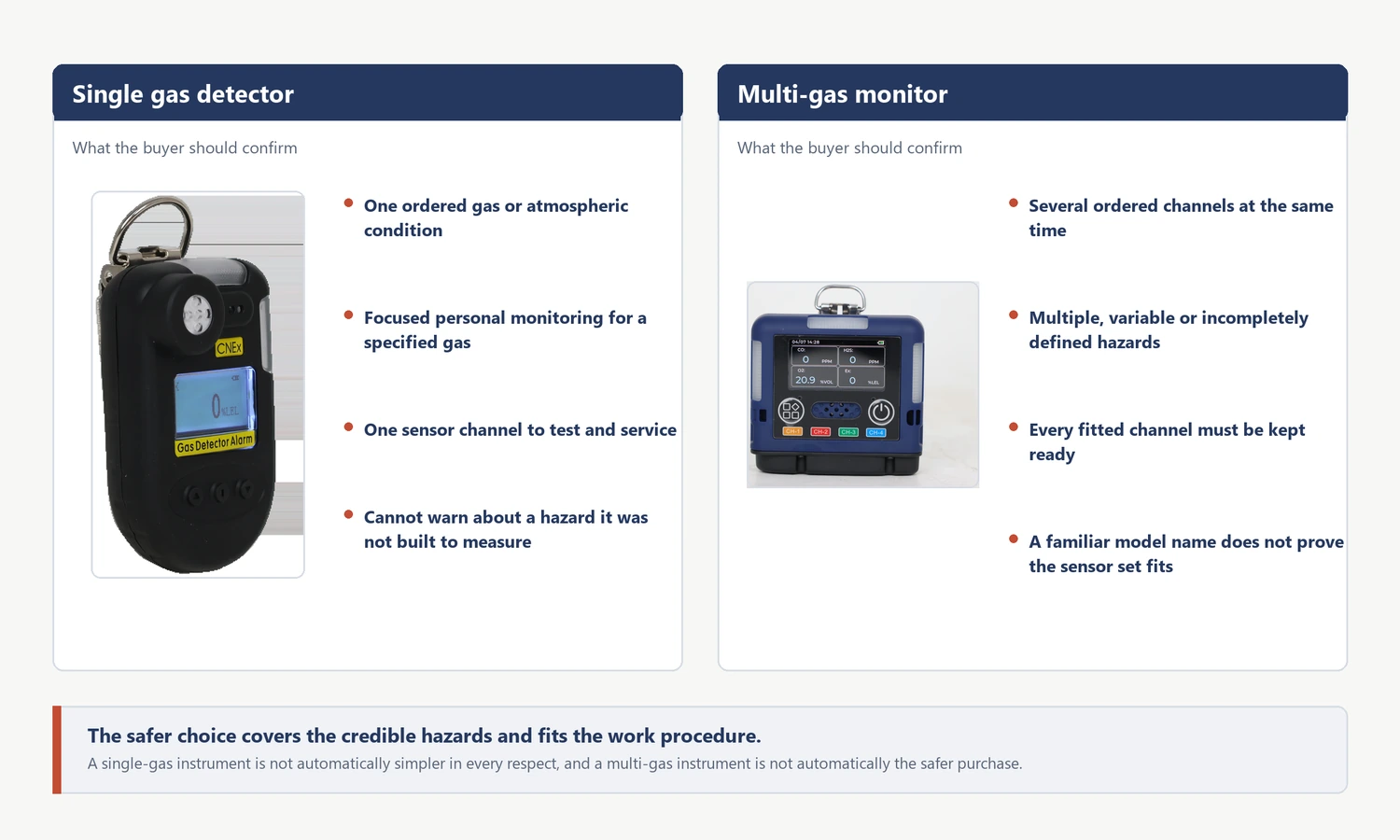
Single Gas Detector vs Multi-Gas Monitor at a Glance
| Buying question | Single gas detector | Multi-gas monitor |
|---|---|---|
| What does it measure? | One ordered gas or atmospheric condition. | Several ordered channels at the same time. |
| Best-fit risk pattern | One defined monitoring target that remains consistent. | Multiple, variable or incompletely defined atmospheric hazards. |
| Typical portable role | Focused personal monitoring for a specified gas. | Proteção pessoal, task monitoring or atmospheric checks involving several hazards. |
| Remote sampling | Only if the selected instrument and accessories support it. | Only if the ordered model has a pump or compatible sampling arrangement. |
| Manutenção | One sensor channel to test and service, but the exact battery and replacement policy still matters. | Each fitted sensor channel must be kept ready; test gas and service planning can be more involved. |
| Limitação principal | It cannot warn about a hazard it was not built to measure. | A familiar product name does not prove that the ordered sensor combination suits the task. |
A single-gas instrument is not automatically simpler in every respect, and a multi-gas instrument is not automatically the safer purchase. The safer choice is the one that covers the credible hazards and fits the approved work procedure. If the gas list is uncertain, resolve that uncertainty before choosing the device.
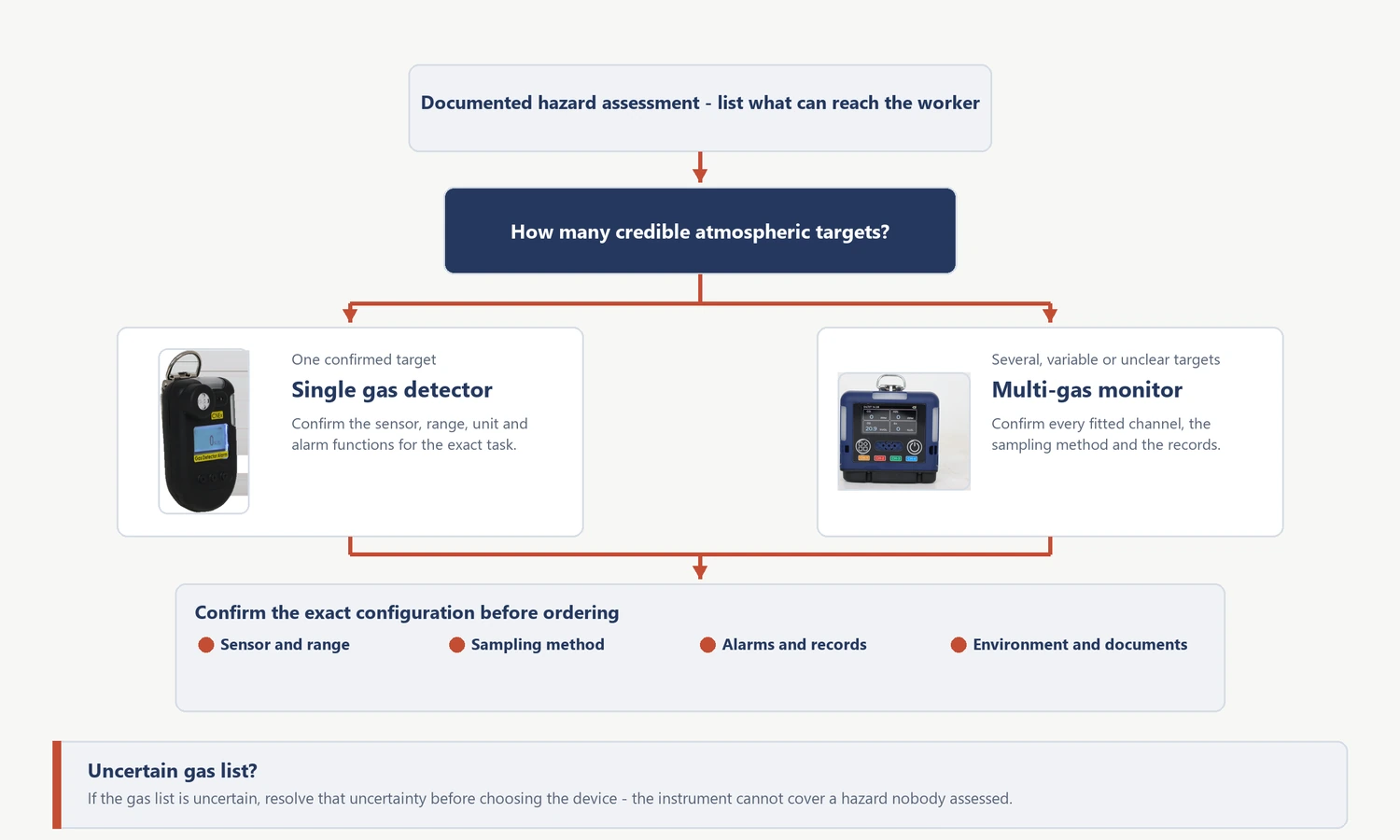
When a Single Gas Detector Is the Better Fit
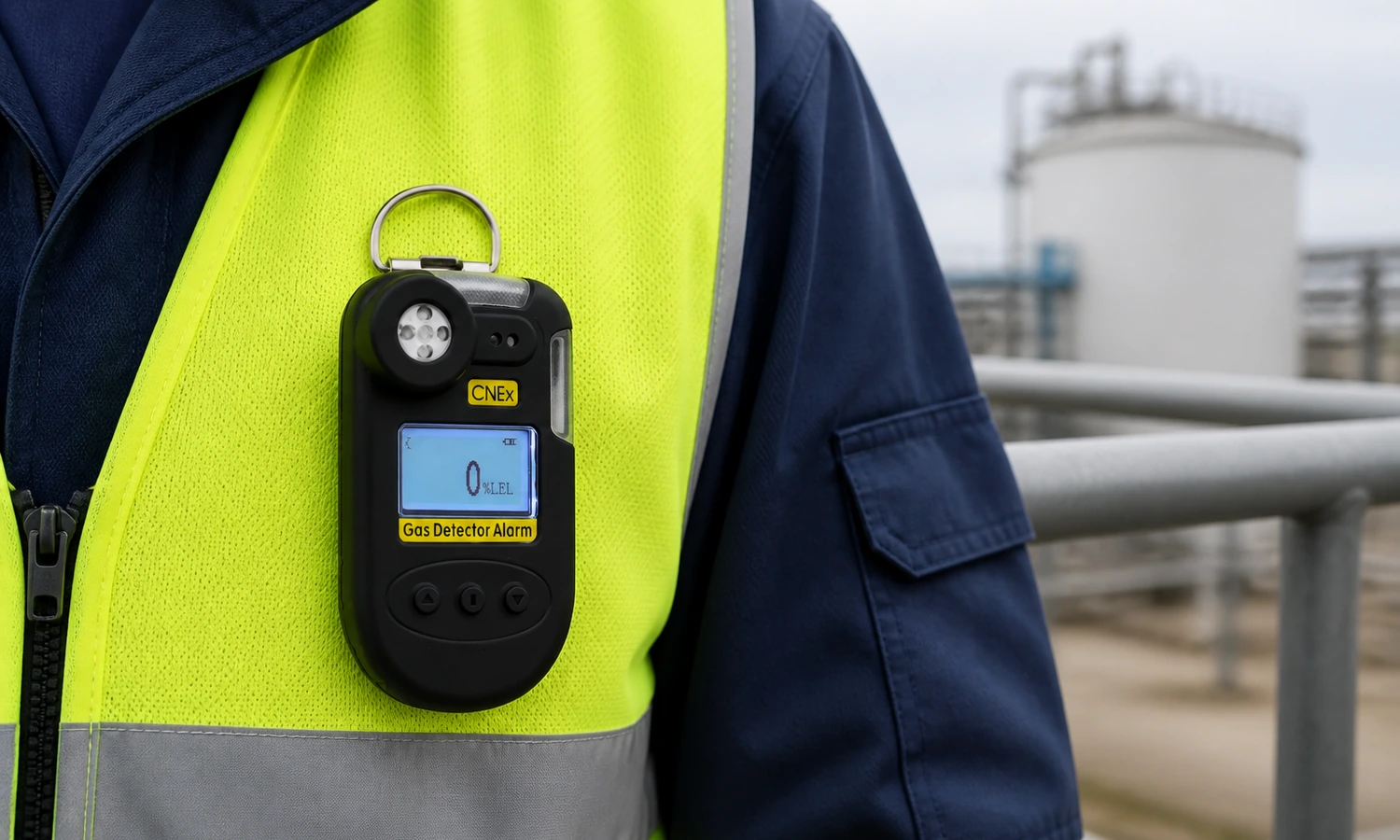
One defined gas dominates the task
A dedicated detector can work well when the site has identified one specific monitoring need. Examples may include personal hydrogen sulfide monitoring for an approved work area, carbon monoxide monitoring around a defined combustion task, or oxygen monitoring where an inert gas can displace air. The assessment must consider abnormal conditions, nearby processes and maintenance activities rather than relying on the room name alone.
“We only use one gas here” is not enough information. A process gas may create one hazard while its combustion products, displacement of oxygen or cleaning chemicals create another. List what could reasonably reach the worker during normal operation, comece, desligar, maintenance and an upset condition.
Each worker needs a focused personal monitor
A compact single gas monitor can be issued to each worker when one defined exposure is the reason for monitoring. The program still needs rules for assignment, wearing position, alarm response, end-of-shift storage and failed checks. If instruments are shared, records should show which worker carried which unit and when.
The exact configuration is confirmed before ordering
Ask the supplier to identify the fitted sensor, faixa, resolução, measurement unit, funções de alarme, expected service life and battery arrangement for the quoted unit. Product families often support several gases, but one physical instrument only measures the sensor installed in it. The purchase order and delivery inspection should name that configuration.
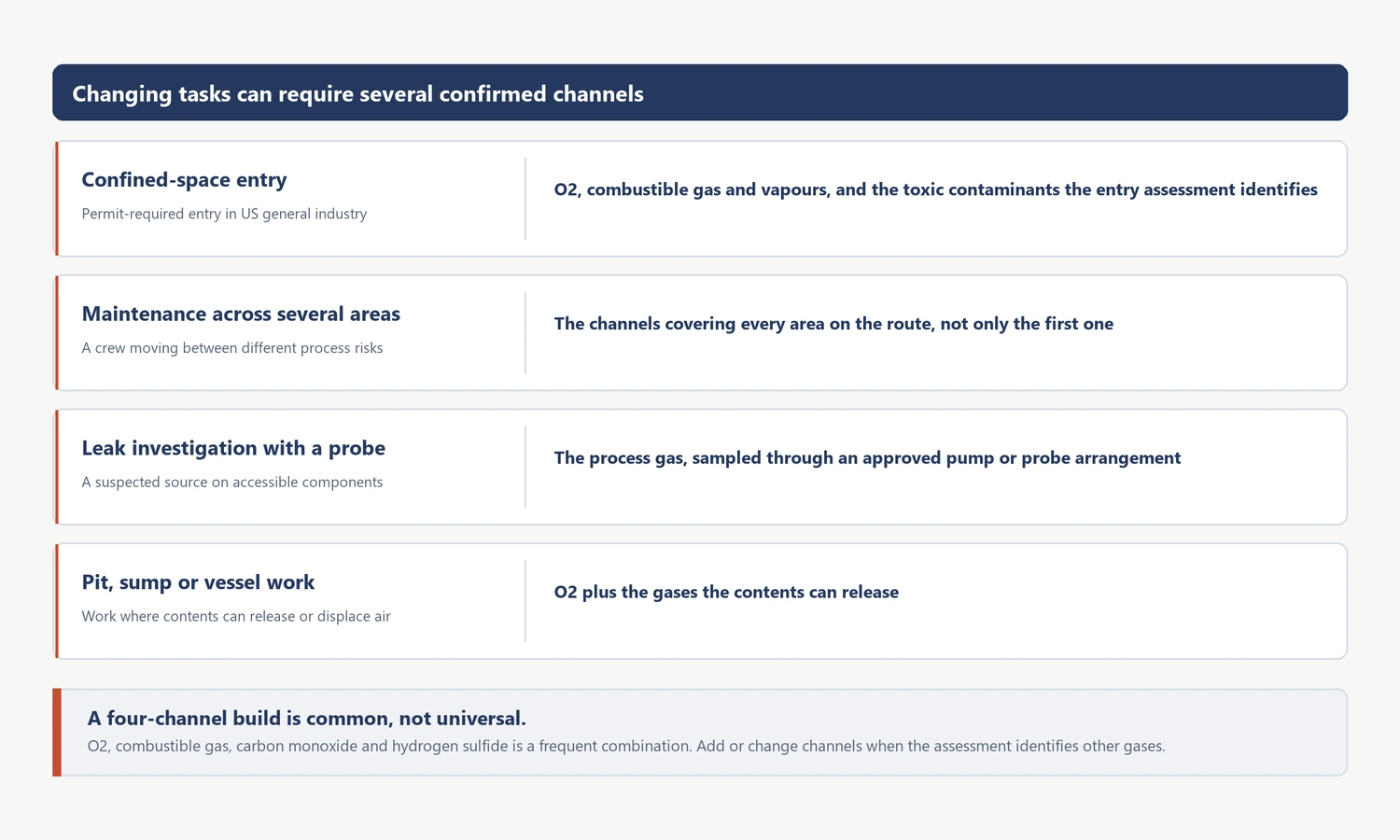
When a Multi-Gas Monitor Is the Better Fit
Hazards are multiple or conditions change
Maintenance crews, contractors and mobile workers may move between areas with different gas risks. A multi-gas monitor can reduce the chance that the wrong single-gas unit is issued for a task, provided the fitted channels cover the actual hazards. Standardising a fleet may also simplify training, but standardisation should not remove specialist channels that a particular job requires.
The task involves confined-space atmospheric testing
For permit-required confined spaces in US general industry, 29 CFR 1910.146 requires evaluation of the atmosphere and specifies testing for oxygen, combustible gases and vapours, and potential toxic contaminants in that order. The rule does not say that the same four sensors fit every space. The entry evaluation must identify the contaminants that may be present. See the full 29 CFR 1910.146 text for the applicable requirements and definitions.
A standard four-channel instrument often combines oxygen, gás combustível, carbon monoxide and hydrogen sulfide. That combination is common, not universal. Nosso guia para o que um monitor de quatro gases mede explains those channels and their limits. Add or change channels when the assessment identifies other gases.
One approved instrument must support several tasks
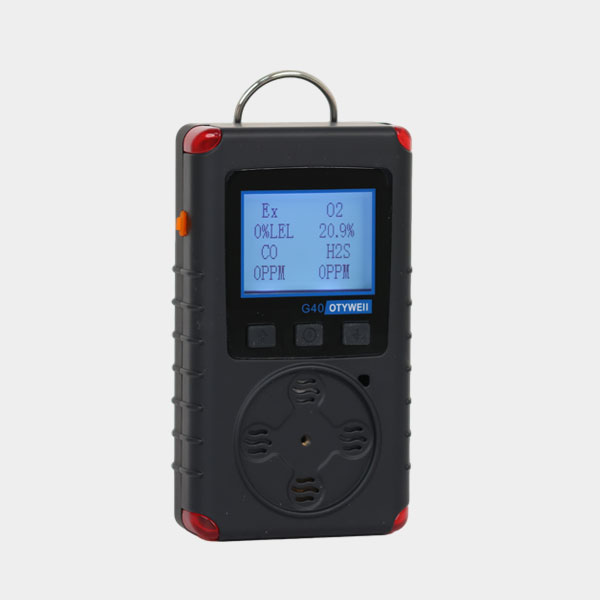
A configurable multi-gas monitor may suit a team that needs several readings together. Confirm the number of sensors, displayed channels, sampling mode and data records for the exact build. Do not assume that a model shown with four readings will arrive with those four sensors unless the quotation states them.
Do Not Confuse Channel Count with Detector Type
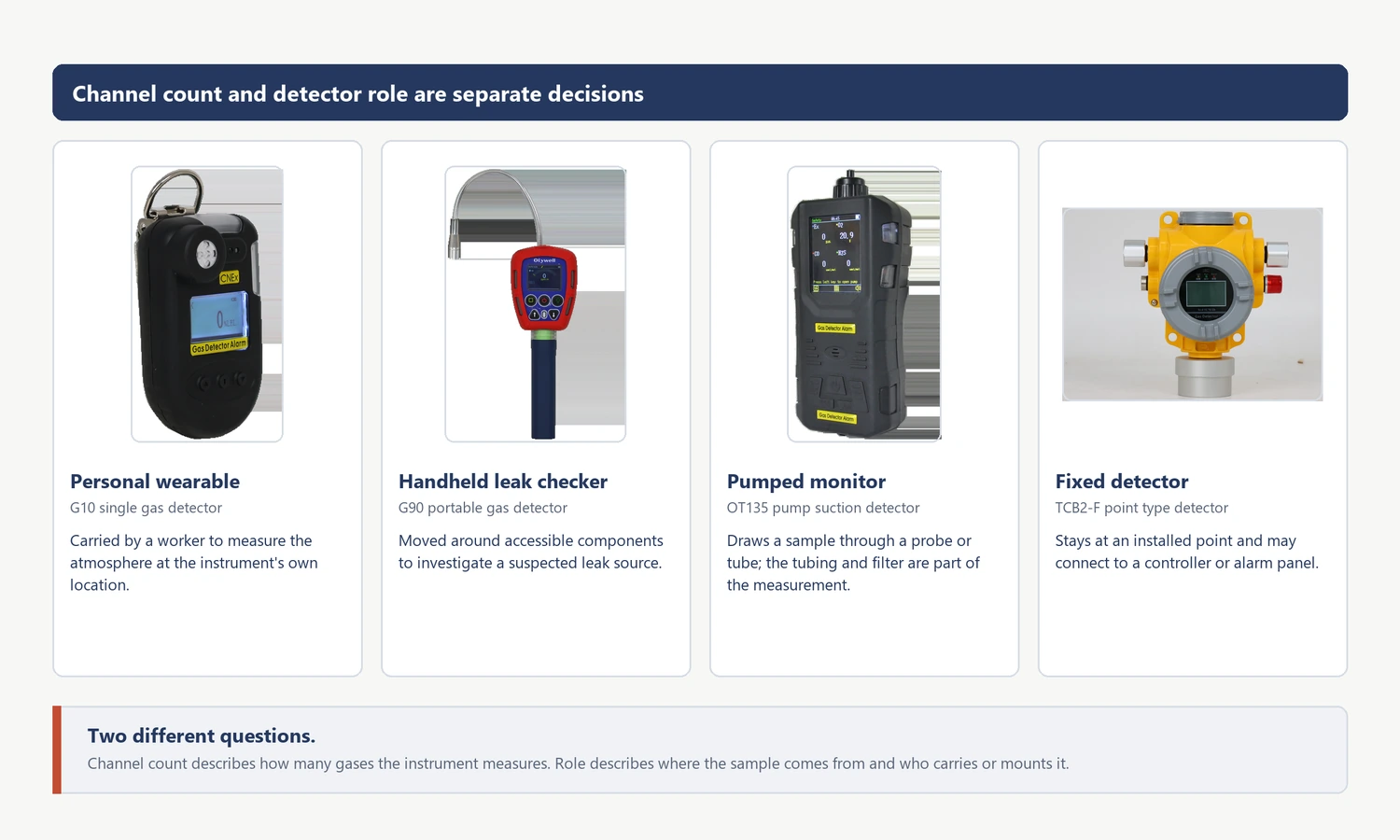
“Single gas” describes how many gas channels the instrument measures. It does not tell you whether the detector is personal, handheld, pumped or fixed.
- Personal wearable: carried by a worker to measure the atmosphere at the instrument’s location. It should be worn as required by the site procedure and product instructions.
- Handheld leak checker: moved around accessible components to investigate a suspected leak source. Its job differs from continuous exposure monitoring.
- Pumped monitor: draws a sample through a probe or tube from another location. The tube, filtro, flow and sample travel time form part of the measurement.
- Detector fixo: remains at an installed point and may connect to a controller, local alarms or another system.
The UK Health and Safety Executive’s guidance on selecting and using flammable gas detectors distinguishes fixed, portable and transportable equipment and discusses diffusion, aspirated sampling and probe use. Its scope is flammable gas detection; it should not be applied as a toxic-gas specification.
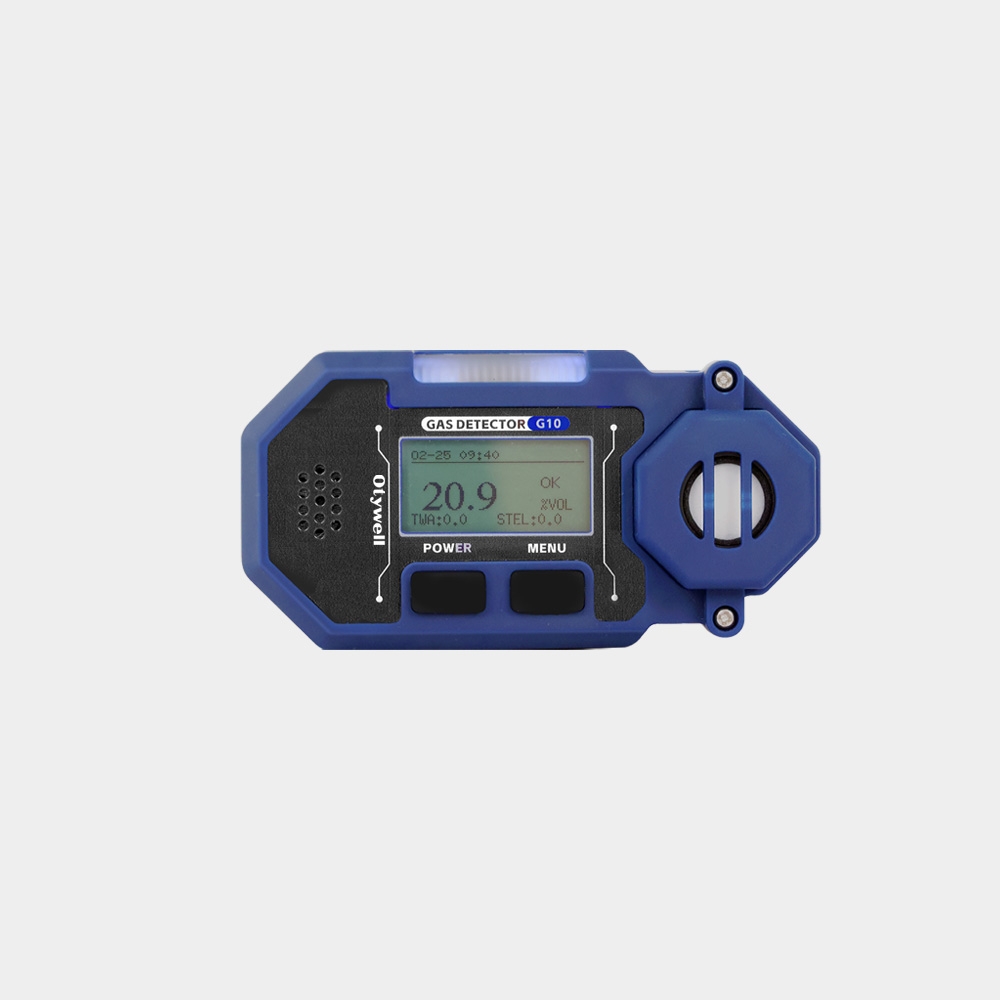
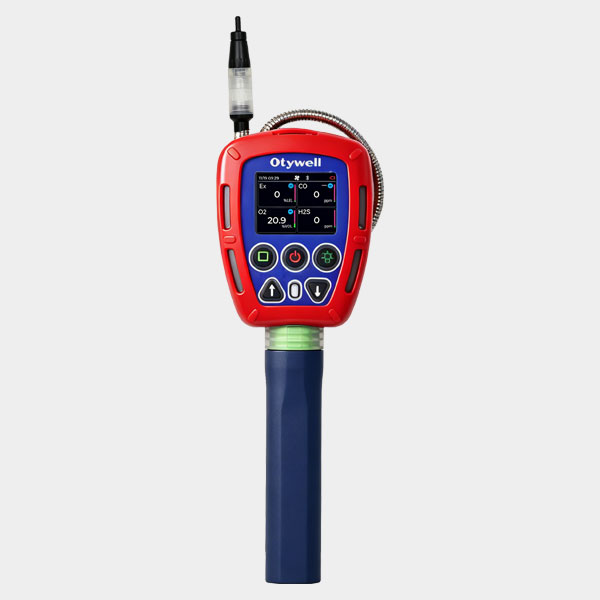
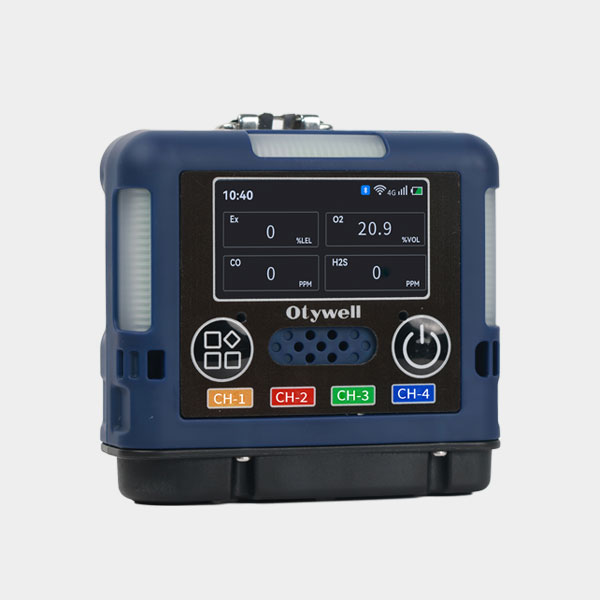
Otywell Products to Compare for the Monitoring Task
These product families are starting points for a configuration discussion, not pre-approved choices for every site. Confirm the sensor, faixa, unidade, método de amostragem, limites ambientais, approval documents and accessories for the unit you order.
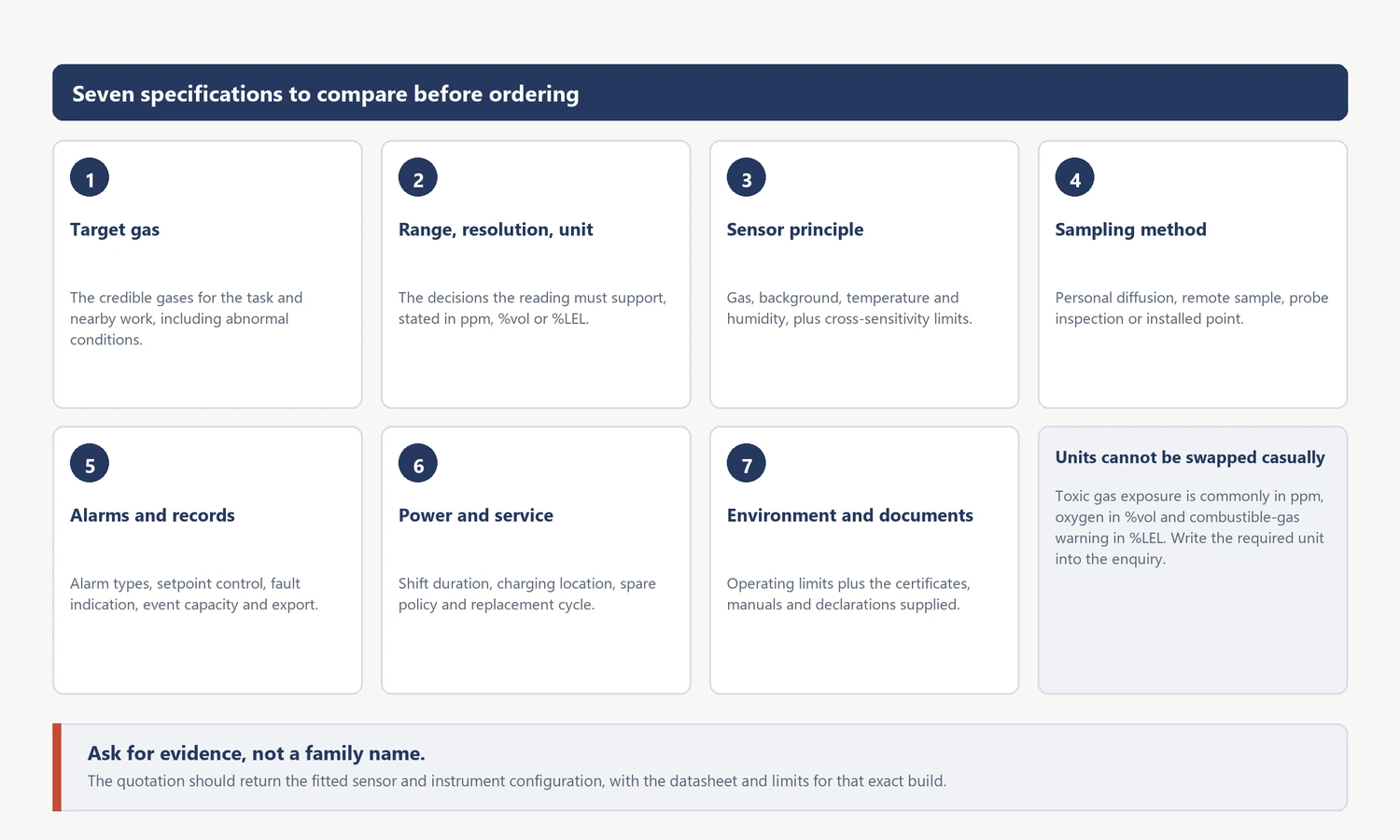
Seven Specifications to Compare Before Ordering
| Especificação | Buyer input | Evidence to request |
|---|---|---|
| 1. Gás alvo | Credible gases for the task and nearby work, including abnormal conditions. | Sensor name and supported target gas for the exact ordered configuration. |
| 2. Faixa, resolution and unit | The decisions that the reading must support. | Range and resolution in ppm, %volume, %LEL or another appropriate unit. |
| 3. Sensor principle | Gás, oxygen level, gases de fundo, temperatura, humidity and possible interferents. | Sensor datasheet, limitations and cross-sensitivity information where applicable. |
| 4. Método de amostragem | Personal diffusion monitoring, remote sample, probe inspection or installed point. | Flow requirements, tubing and filters, sample-time guidance and supported accessories. |
| 5. Alarms and records | Who must receive the warning and which records the site needs. | Alarm types, setpoint controls, fault indication, event capacity and data-export method. |
| 6. Power and service | Shift duration, charging location, spare policy and expected replacement cycle. | Battery conditions, charging requirements, sensor life basis and replacement procedure. |
| 7. Environment and documents | Temperatura, umidade, water/dust exposure, area classification and destination market. | Operating limits and the exact certificates, manuals and declarations supplied with the product. |
Measurement units cannot be swapped casually. Toxic-gas exposure is commonly expressed in ppm, oxygen in %vol and combustible-gas warning in %LEL. A high-concentration process measurement may need another range or sensor principle. Write the required unit into the enquiry and ask the supplier to return it in the quotation.
Sampling accessories also change the job. A pump moves a sample to the sensor; it does not add a gas channel or increase the sensor’s measurement range. Tubo longo, filtros, moisture and reactive gases can affect sample delivery. Use only the sampling arrangement approved for the instrument and account for the time needed for gas to reach the sensor.
Compare Fleet Cost, Not Only Unit Price
Unit price does not show what the monitoring program will cost to operate. A single gas detector may be economical when many workers need the same dedicated channel. A multi-gas fleet may reduce the number of different devices a mobile team carries. Either choice can become expensive if instruments sit out of service while waiting for test gas, parts or repair.
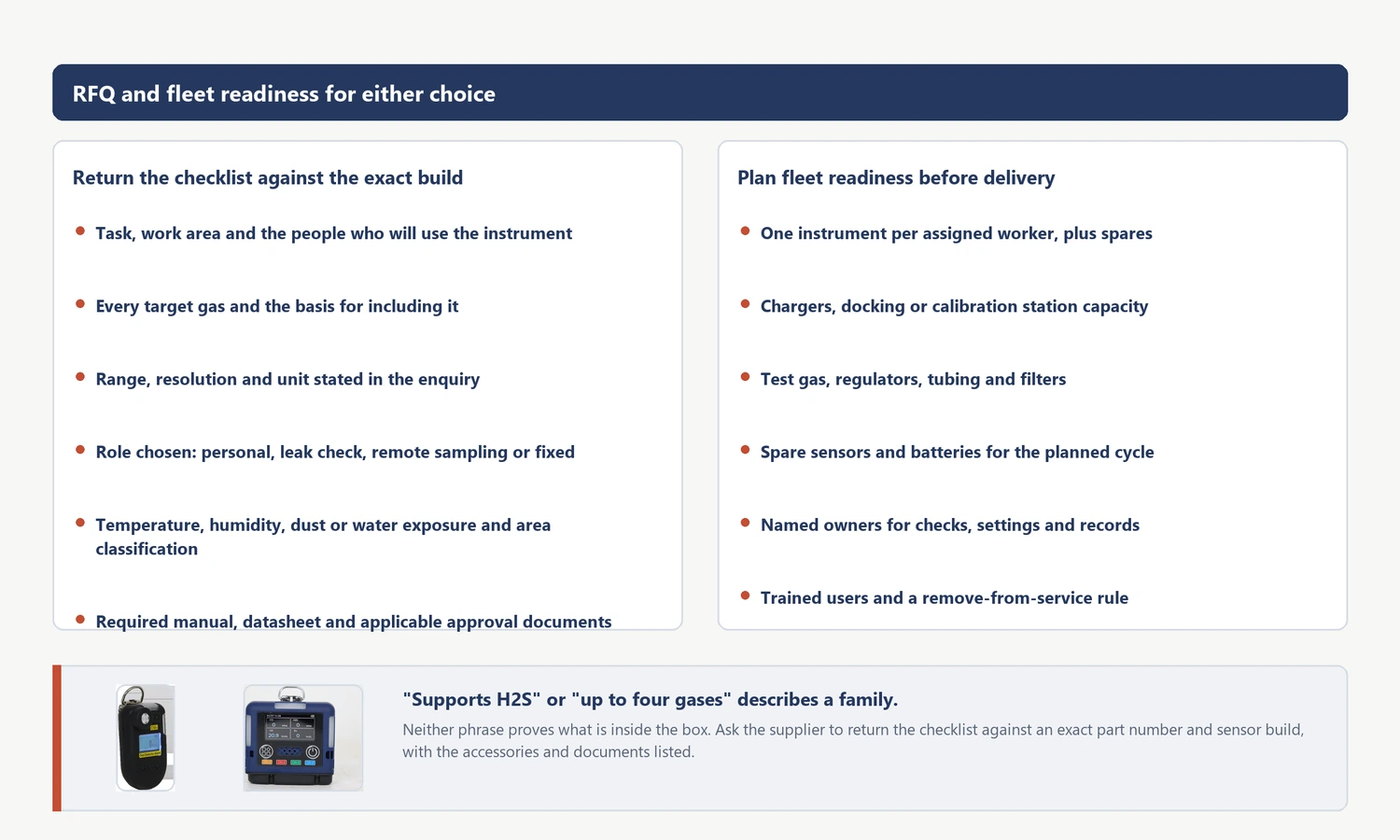
Include calibration gas, reguladores, tubulação, chargers, equipamento de ancoragem, sensores de substituição, baterias, spare instruments and staff time in the comparison. Decide who performs checks, who controls settings and where records are kept. The CDC/NIOSH Pocket Guide introduction explains its exposure terminology and limits; those values are references for occupational health work, not automatic alarm settings for every instrument or jurisdiction.
The test plan should follow the manufacturer’s instructions and the site procedure. A detector that powers on has not necessarily proved that gas can reach the sensor or that its audible, visual and vibration alarms work. Failed checks need a clear remove-from-service and replacement process.
RFQ Checklist for Single- and Multi-Gas Detectors
- Describe the task, work area and people who will use the instrument.
- List each target gas and the basis for including it.
- State the required range, resolution and unit.
- Choose personal monitoring, verificação de vazamento, remote sampling or another defined role.
- Provide temperature, umidade, dust/water exposure and hazardous-area information.
- Define alarm, registro de dados, assignment and reporting requirements.
- List required probes, tubulação, filtros, chargers, test equipment and spares.
- Request the exact manual, product datasheet and applicable approval documents.
- Define delivery inspection, functional checks, calibration records and training scope.
Ask suppliers to return the checklist against the exact part number and sensor build. “Supports H2S” or “up to four gases” describes a product family, not necessarily the unit in the box.
Common Selection Mistakes
- Choosing one channel because the work order names one gas. Review the process, nearby work and possible abnormal conditions.
- Assuming every multi-gas monitor has the same sensors. Check the installed channels on the quotation, label and startup display.
- Treating a pump as extra detection capability. A pump changes how the sample arrives; the fitted sensors determine what is measured.
- Comparing battery life without its test conditions. Tipo de sensor, alarmes, wireless functions, temperature and duty cycle can change operating time.
- Buying before planning tests and records. Readiness depends on repeatable checks, calibração, trained users and replacement equipment.
Perguntas frequentes
What is a single gas detector?
It is an instrument configured to measure one gas or atmospheric condition. The product family may support several sensor choices, but the delivered unit measures the sensor installed in it.
When is a single gas detector enough?
It may be enough when a documented assessment identifies one defined monitoring target and confirms that other credible atmospheric hazards do not require additional channels. The instrument must also suit the task, faixa, sampling method and environment.
Can a single gas detector be used for confined-space entry?
One single-gas detector cannot evaluate several hazards at once. If the space may have oxygen, combustible and toxic hazards, the testing arrangement must cover all of them. A dedicated single-gas unit may supplement other instruments when the assessment identifies an additional gas.
Is a single gas detector more accurate than a multi-gas monitor?
Sensor count alone does not determine accuracy. Compare the exact sensor, faixa, stated accuracy, limites ambientais, calibration method and condition of the instrument. A poorly maintained single-gas unit is not more dependable simply because it has one channel.
Which gases can a single gas detector measure?
Available gases depend on the instrument and compatible sensor. Common configurations include oxygen, monóxido de carbono, sulfeto de hidrogênio, amônia, chlorine and combustible gases. Confirm the exact target gas, range and sensor before ordering.
How often should it be bump tested or calibrated?
Follow the current manufacturer instructions and the approved site program. Check the instrument after a failed functional check, suspected damage, sensor over-range exposure or any condition covered by the manufacturer’s service procedure. Do not copy a frequency from another model without confirming it applies.
Build the Specification Before Choosing the Model
Choose a single gas detector when one confirmed channel fits the assessed job. Choose a multi-gas monitor when workers need several measurements together or when hazards vary between tasks. In both cases, the purchase specification should name the gas, faixa, unidade, método de amostragem, alarmes, ambiente, accessories and required documents.
For a configuration review, send Otywell the task description, gas list, expected range, método de amostragem, condições de operação, quantity and documentation requirements. The response should identify the proposed sensor build rather than leaving the gas channels to assumption.

WeChat
Digitalize o código QR com WeChat