 Henan Otywell Electronic Technology Co., Ltd

An industrial carbon monoxide gas detector should be selected for a defined monitoring role, not simply because its product name includes CO. A personal monitor, a pumped portable instrument and a fixed detector can all use a carbon monoxide sensor, yet they collect samples in different ways and support different safety decisions.
Start by identifying where carbon monoxide could be produced, who may be exposed, whether the source is continuous or intermittent, and whether other atmospheric hazards are credible. Then specify the required range, alarmes, método de amostragem, limites ambientais, records and system outputs. This guide focuses on workplace instruments. It is not a buying guide for household CO alarms.
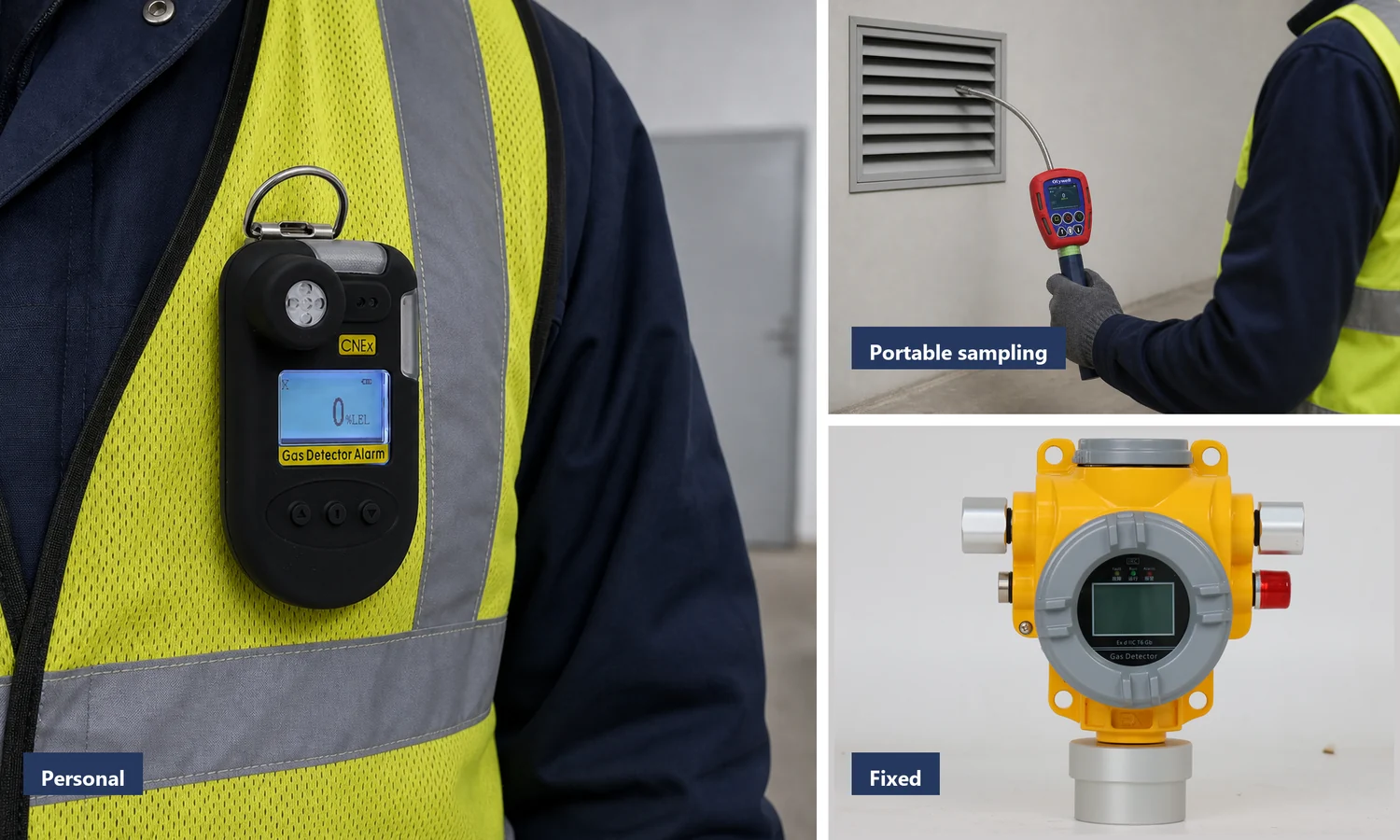
What an Industrial CO Detector Measures
Carbon monoxide is a colorless, odorless toxic gas produced by incomplete combustion of carbon-containing materials. Workers cannot use smell or visual inspection to judge whether the air is safe. The NIOSH Pocket Guide entry for carbon monoxide lists its physical properties, occupational exposure references, measurement methods and health effects.
Industrial CO instruments normally report concentration in parts per million. That is different from a combustible-gas channel reporting percent of the lower explosive limit. Carbon monoxide is flammable at sufficiently high concentrations, but a workplace CO exposure task is usually not answered by a general LEL reading. The instrument must have a suitable CO sensor and range.
Exposure limits are not universal alarm settings. NIOSH lista um limite de exposição recomendado de 35 ppm as a time-weighted average and a 200 teto ppm. The OSHA table in 29 CFR 1910.1000 lists 50 ppm as an 8-hour time-weighted average for general industry. These values have different purposes and may not be the only rules that apply to a site. Alarm setpoints should come from the applicable legal requirements, the site exposure-control program, the instrument’s approved capabilities and a qualified safety review.
Electrochemical sensing is common in portable and fixed CO detectors because it can measure low ppm concentrations with modest power demand. Sensor selection still requires attention to cross-sensitivities, temperatura, umidade, expected concentration and service conditions. Ask for the sensor documentation that applies to the quoted configuration rather than assuming that every CO sensor behaves the same way.
Where Carbon Monoxide Can Build Up at Work
The hazard survey should follow combustion sources and exhaust paths. It should also consider startup, desligar, manutenção, poor ventilation and temporary equipment. The room name alone does not define the risk.
Boiler rooms and combustion equipment
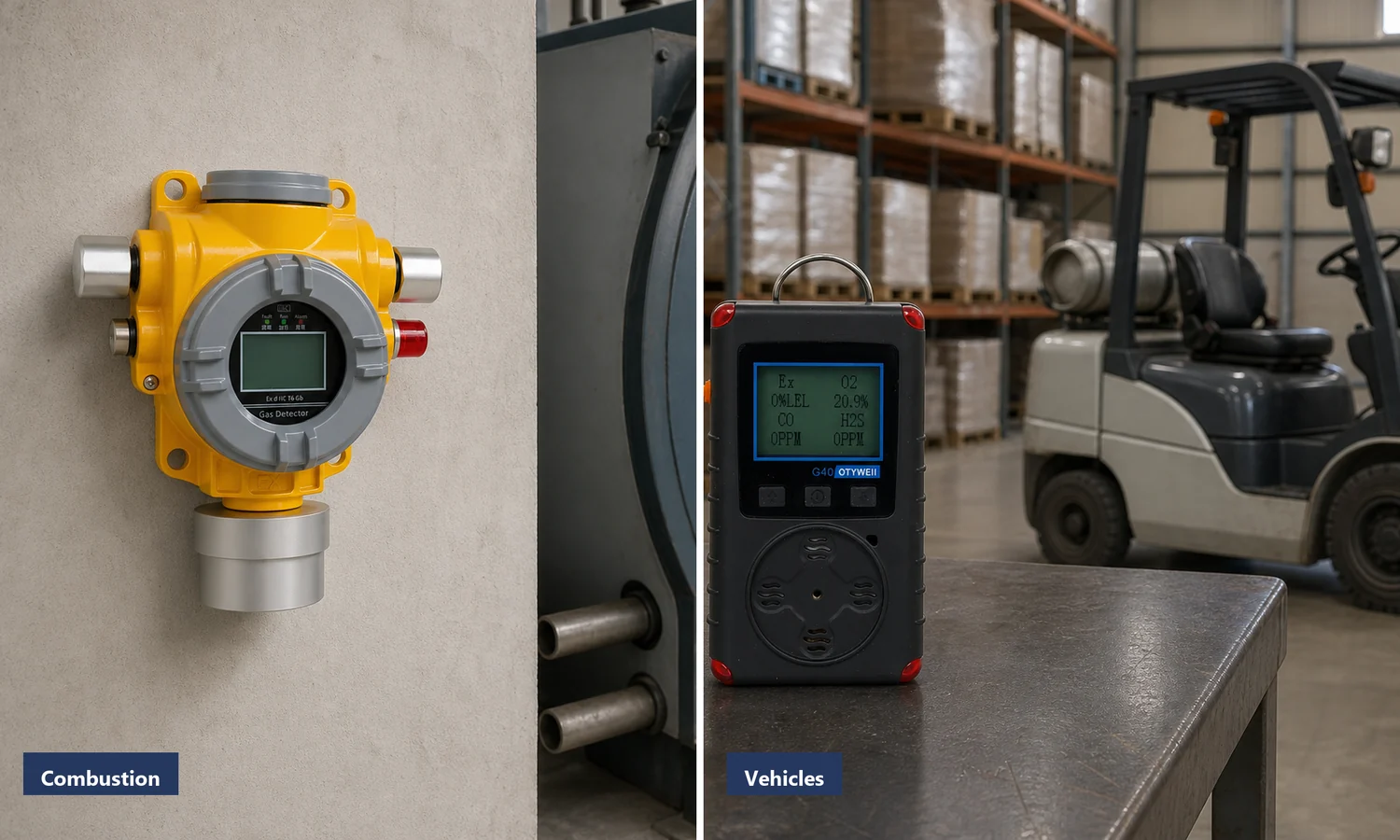
Boilers, furnaces, heaters and other fuel-burning equipment can produce CO when combustion is incomplete or exhaust is not removed as intended. A fixed detector may provide continuous area monitoring, while maintenance staff may also need portable instruments for inspections. Detector placement should account for the likely release, ventilation pattern, occupied locations and alarm response plan.
Warehouses, loading areas and vehicle service spaces
Fuel-powered forklifts, trucks and service vehicles can introduce CO into enclosed or partially enclosed work areas. Intermittent traffic can create changing concentrations that a single spot check may miss. The monitoring plan may combine fixed coverage, personal monitors and task-based surveys, depending on occupancy and ventilation controls.
Foundries, furnaces and process operations
Combustion and high-temperature processes can create CO near furnaces, ovens, kilns and process equipment. These sites may also have heat, pó, vibração, classified locations or other gases. A detector suitable for an ordinary indoor room may not meet the environmental or installation requirements of the process area.
Generators, engines and temporary work
Portable generators, pressure washers and engine-driven tools can produce CO quickly when used inside or near openings. CDC/NIOSH warns that CO can accumulate in buildings and partially enclosed areas, including spaces that appear ventilated. Its workplace carbon monoxide guidance recommends identifying sources, measuring exposure and using personal CO monitors where potential sources exist.
Confined and difficult-to-access spaces
A confined space may contain CO from engines, trabalho a quente, decomposição, process leakage or migration from nearby activity. Pre-entry testing and continuous monitoring are separate decisions. If the sample must be taken from outside the space, the detector needs an approved pump or sampling arrangement, suitable tubing and enough time for the sample to reach the sensor. CO may be only one of several atmospheric hazards.
Choose the Monitoring Role Before the Model
| Tarefa de monitoramento | Detector role to evaluate | Main specification questions |
|---|---|---|
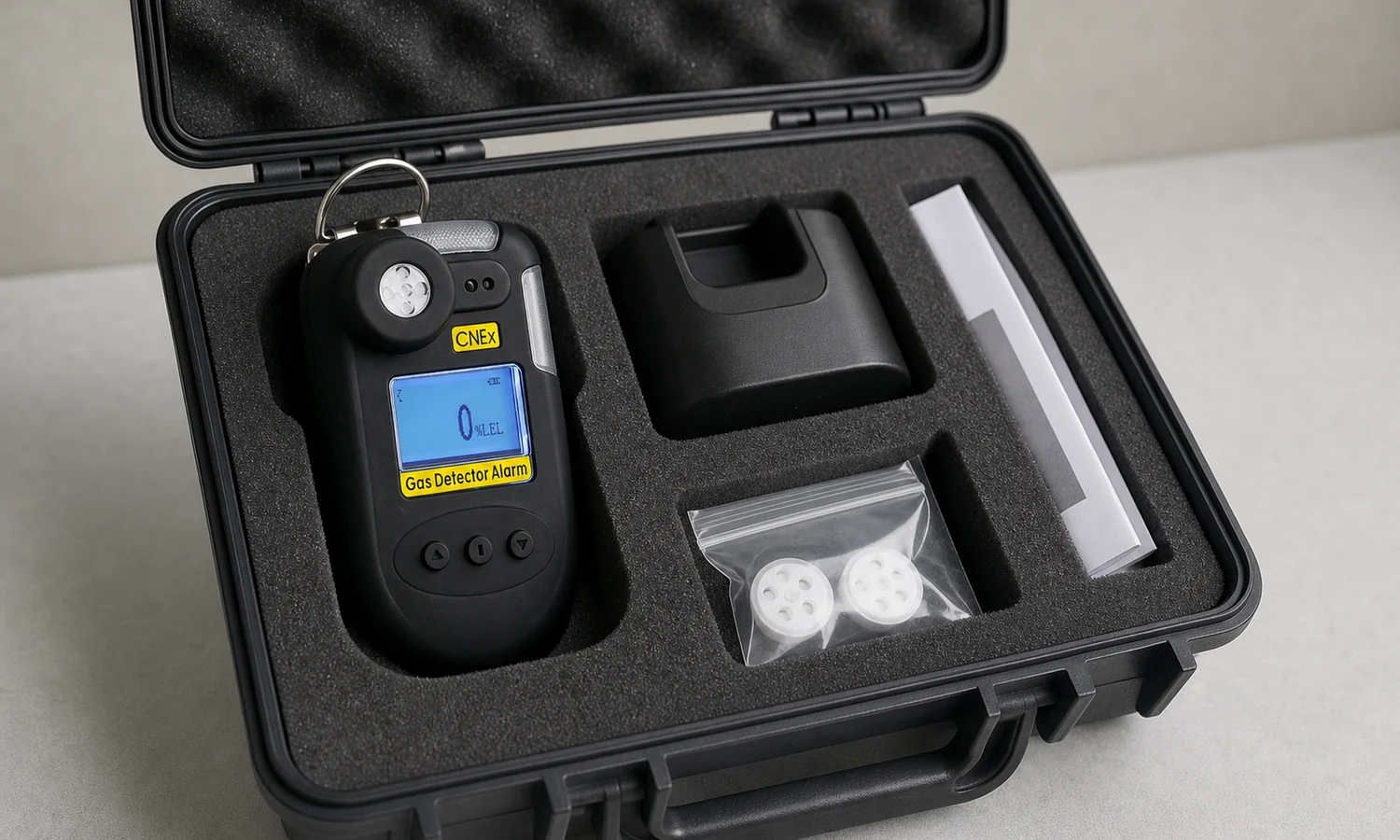
| Personal warning during a shift | Wearable single-gas CO detector | Tamanho, wearing method, alarm types, exposure calculations, battery or operating life, event records. |
| Work involving several atmospheric hazards | Portable multi-gas monitor with a confirmed CO channel | Installed sensor combination, displayed units, simultaneous alarms, test-gas plan and channel records. |
| Pre-entry or remote sample | Pumped portable detector | Pump status, material de tubulação, sonda, filtro, flow fault, sample travel time and purge procedure. |
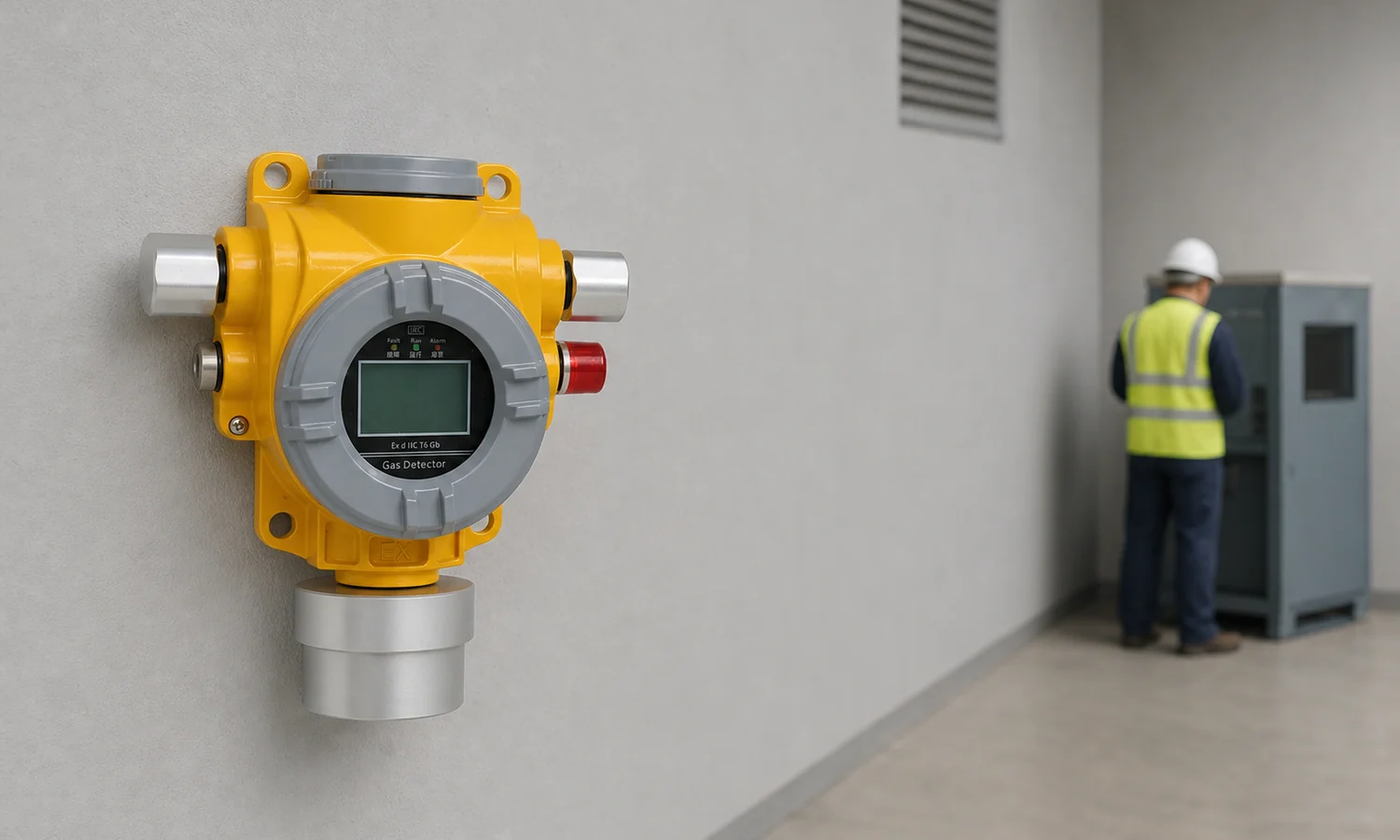
| Continuous room or process-area monitoring | Fixed CO detector and alarm system | Cobertura, mounting point, poder, local alarm, relés, 4-20 mA or digital output, controller and maintenance access. |
| Leak investigation or equipment survey | Handheld portable instrument selected for the required concentration range | Faixa, resolução, probe access, response and recovery, data logging and whether the task is exposure monitoring or source investigation. |
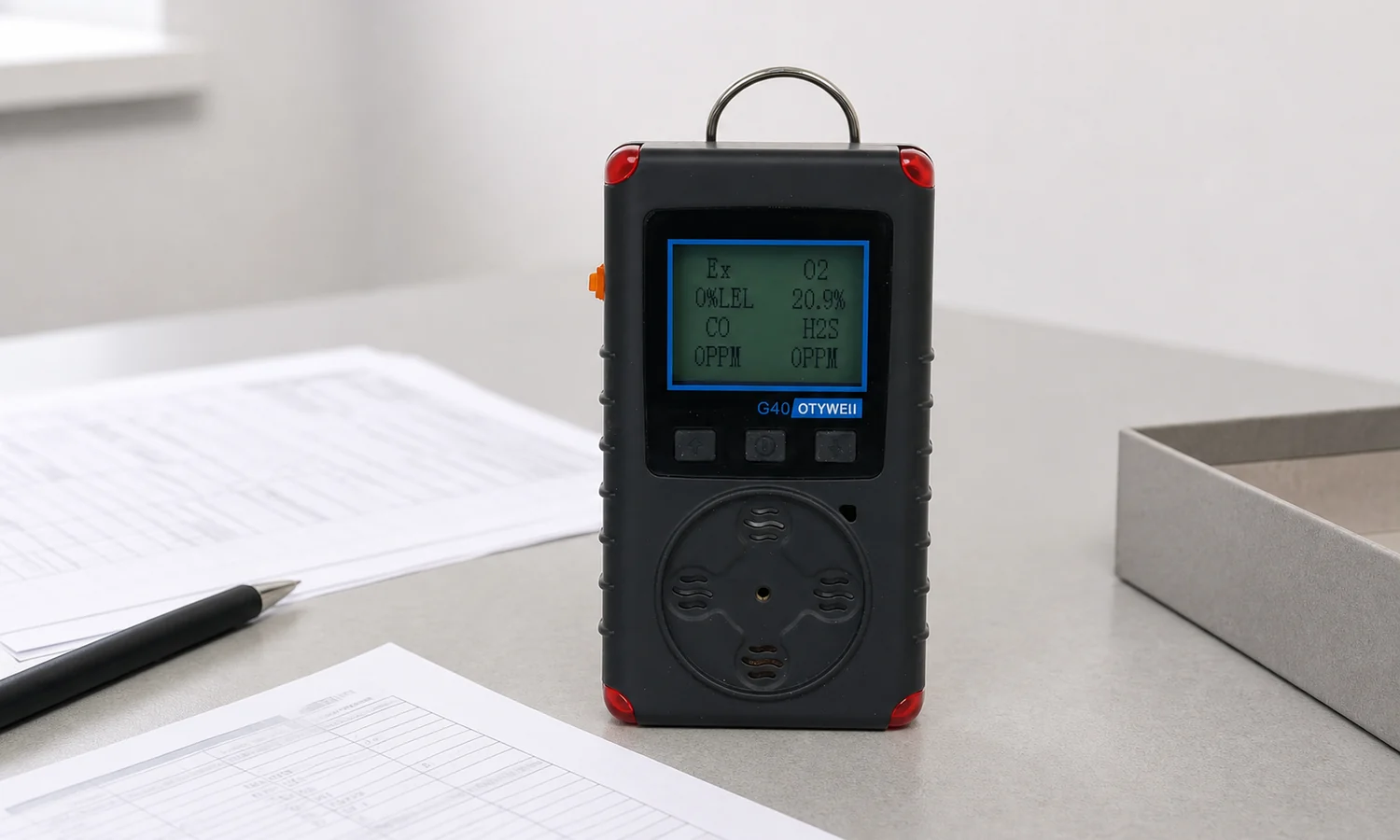
A single-gas personal monitor is a practical choice when CO is the defined exposure concern and each worker needs a compact alarm. A multi-gas detector is better when the assessment also identifies oxygen, gás combustível, hydrogen sulfide or another hazard. Do not assume that a four-gas instrument includes CO just because that combination is common. The purchase order should list every installed channel.
A pump changes where the sample comes from. It does not increase the sensor’s range or add another gas. Comprimento da tubulação, filter condition, moisture and the instrument’s internal flow affect the time between placing the probe and seeing a stable response. Record the approved sampling setup in the work procedure.
Seven Specifications to Put on the CO Detector RFQ
1. Measuring range and resolution
The expected concentration and the decision based on the reading should determine the range. A personal exposure monitor and a high-concentration process survey may need different configurations. A wider maximum range is not automatically better if it reduces the resolution needed for the task. State both the required range and display resolution.
2. Sensor and cross-sensitivity information
List gases, vapors and operating conditions that may affect the reading. Request the CO sensor’s relevant cross-sensitivity data and environmental limits. If another gas can produce a response, the safety plan must explain how users interpret that reading and how the site confirms the cause.
3. Diffusion or pump sampling
Diffusion suits monitoring at the instrument’s location. Pump sampling is useful when the operator must test from a safer position or draw air through a probe. Include tubing, filtros, adaptadores, flow requirements and fault indication in the quotation. A pump without the correct accessories is not a complete sampling system.
4. Alarm functions
Specify audible, visual and vibration alarms as required, along with low, high and exposure-related functions. Ask how settings are protected, how faults differ from gas alarms and what records the instrument stores. Do not copy an alarm value from an unrelated model or jurisdiction.
5. Ambiente de trabalho
Provide the minimum and maximum temperature, umidade, pó, water exposure, vibração, installation area and destination market. IP protection and explosion protection describe different things. Request the exact certificates and declarations needed for the proposed location rather than relying on a general catalog claim.
6. Data and system outputs
A personal monitor may need event logs or assignment records. A fixed detector may need relays, 4-20 mA, RS485 or connection to a controller. Define which system receives the signal, what action follows an alarm and how faults are reported. Wireless functions should be treated as configuration options unless the quotation states that they are included.
7. Test, calibration and service support
Ask what gas, regulador, fluxo, adapter and procedure are required for functional tests and calibration. Include sensor replacement, warranty, spare units, programas, chargers and records in the operating-cost review. A low purchase price is less useful if the site cannot keep the detector ready for work.
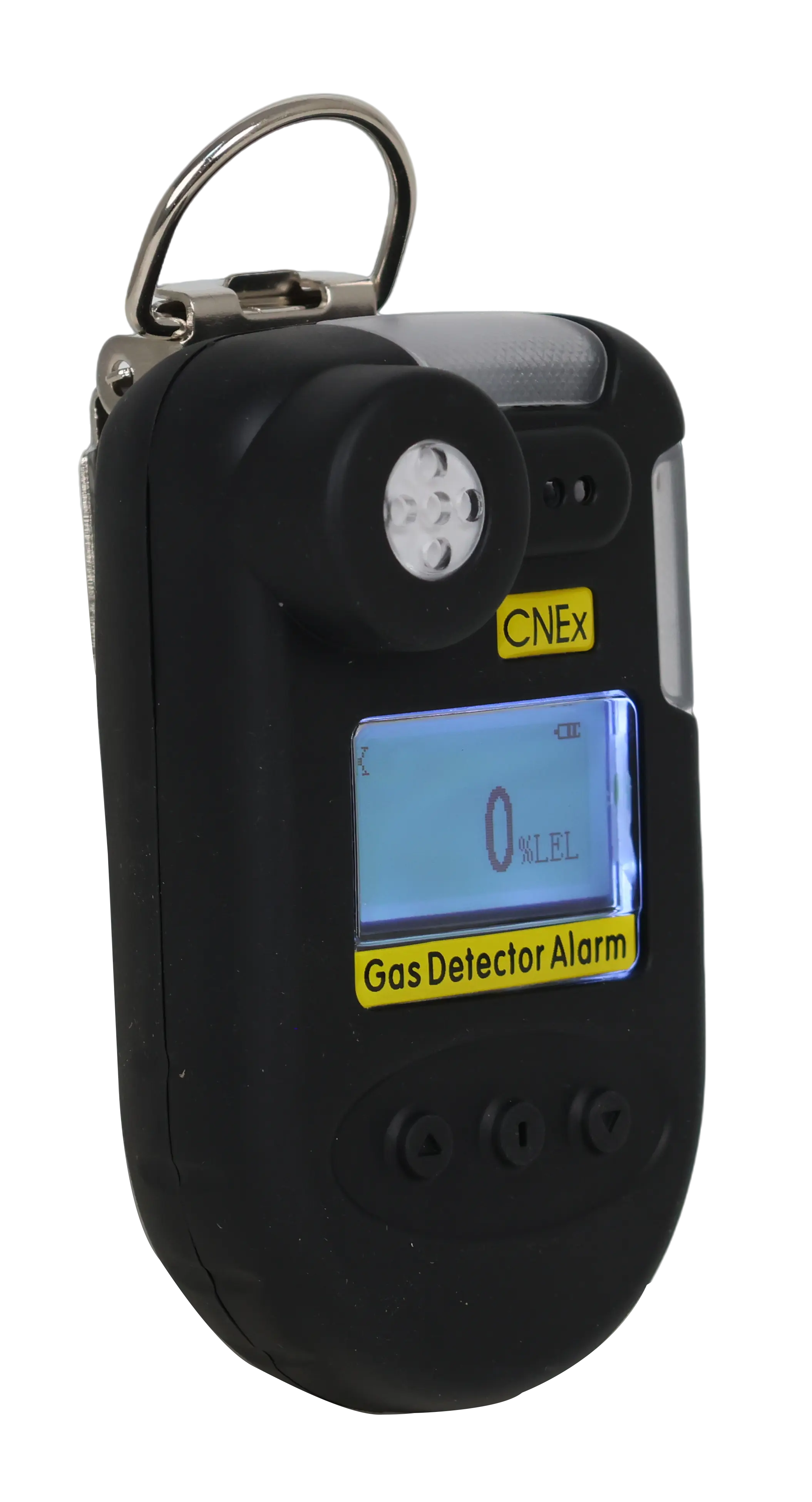
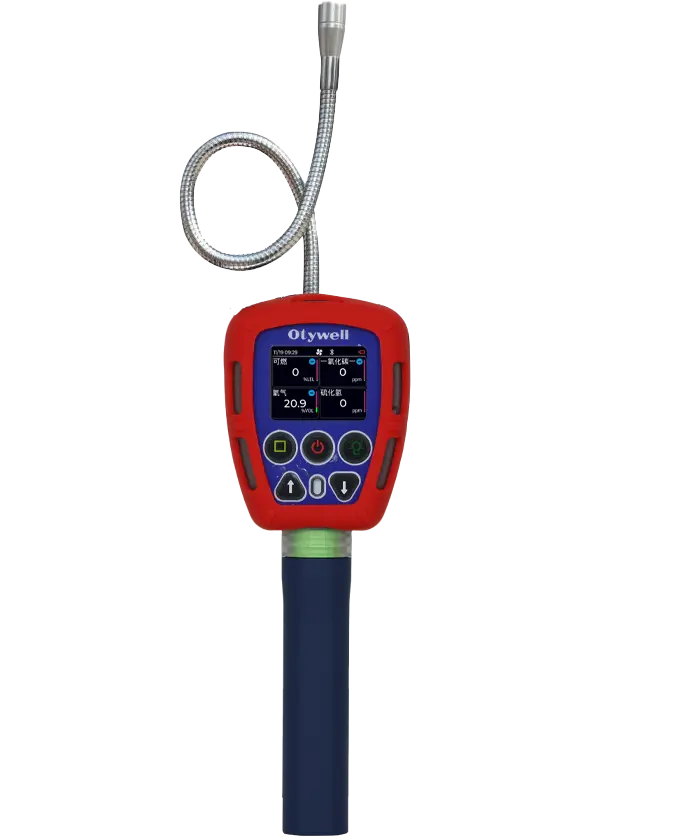
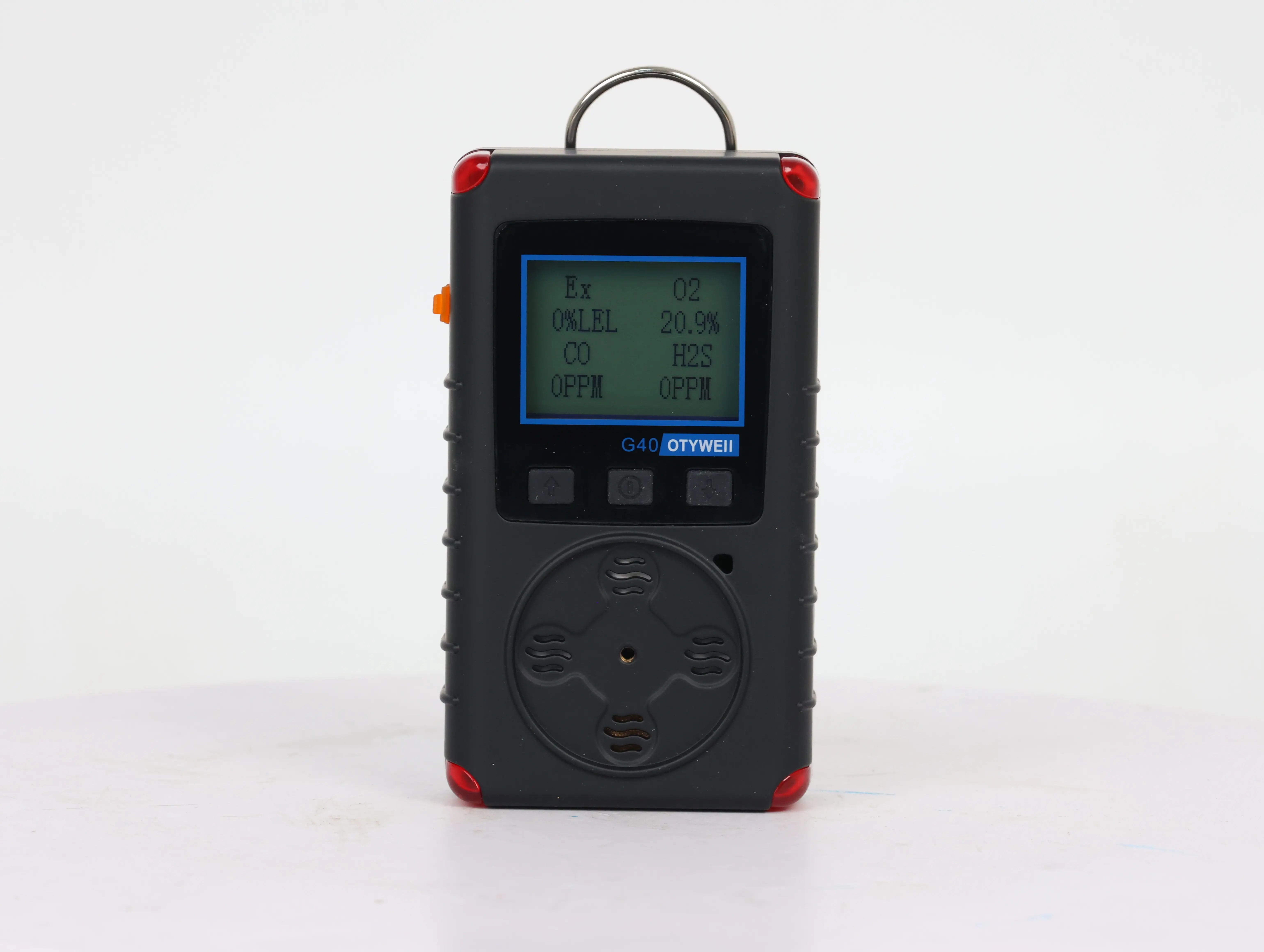
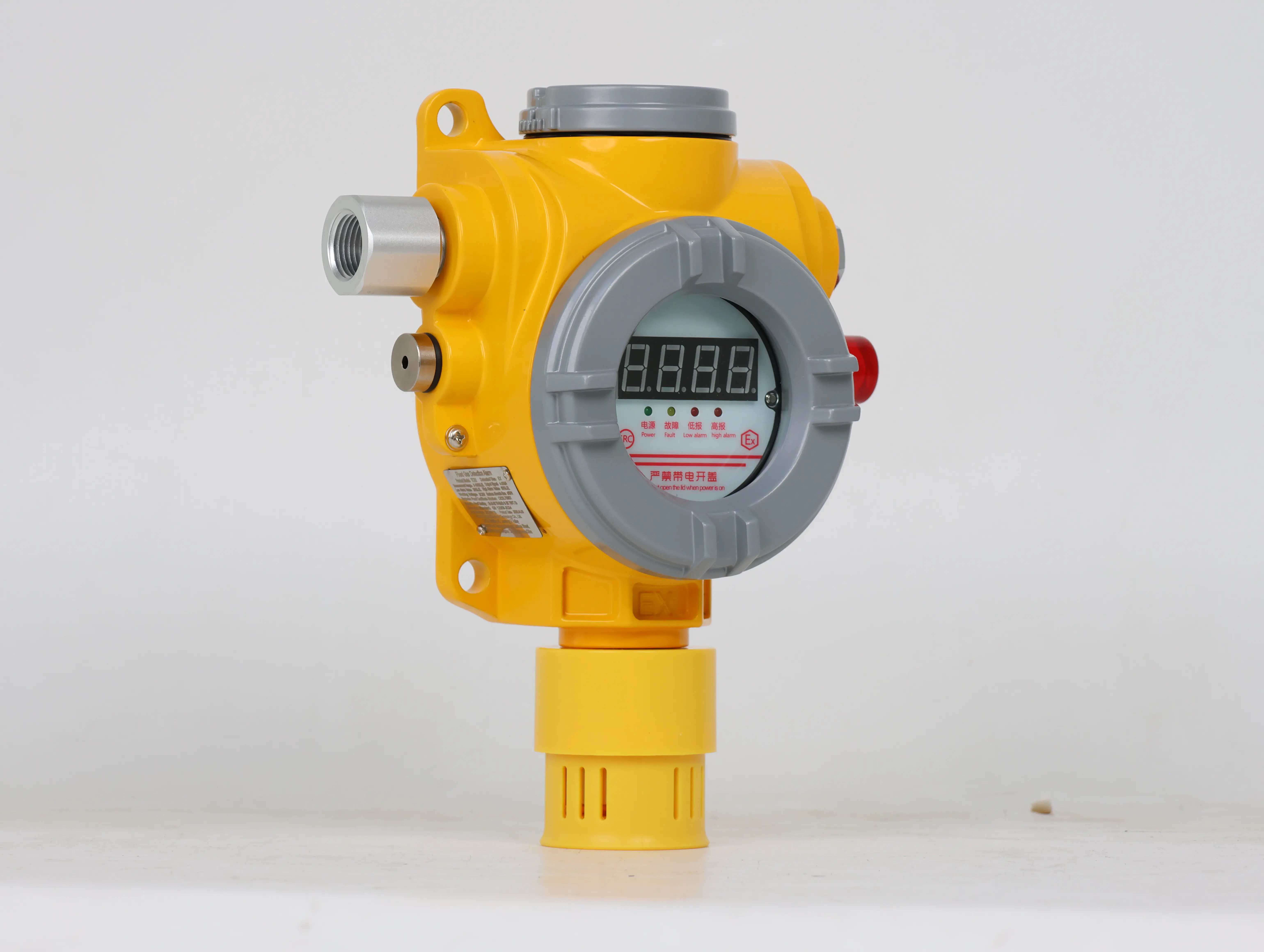
Otywell CO Detector Configurations to Compare
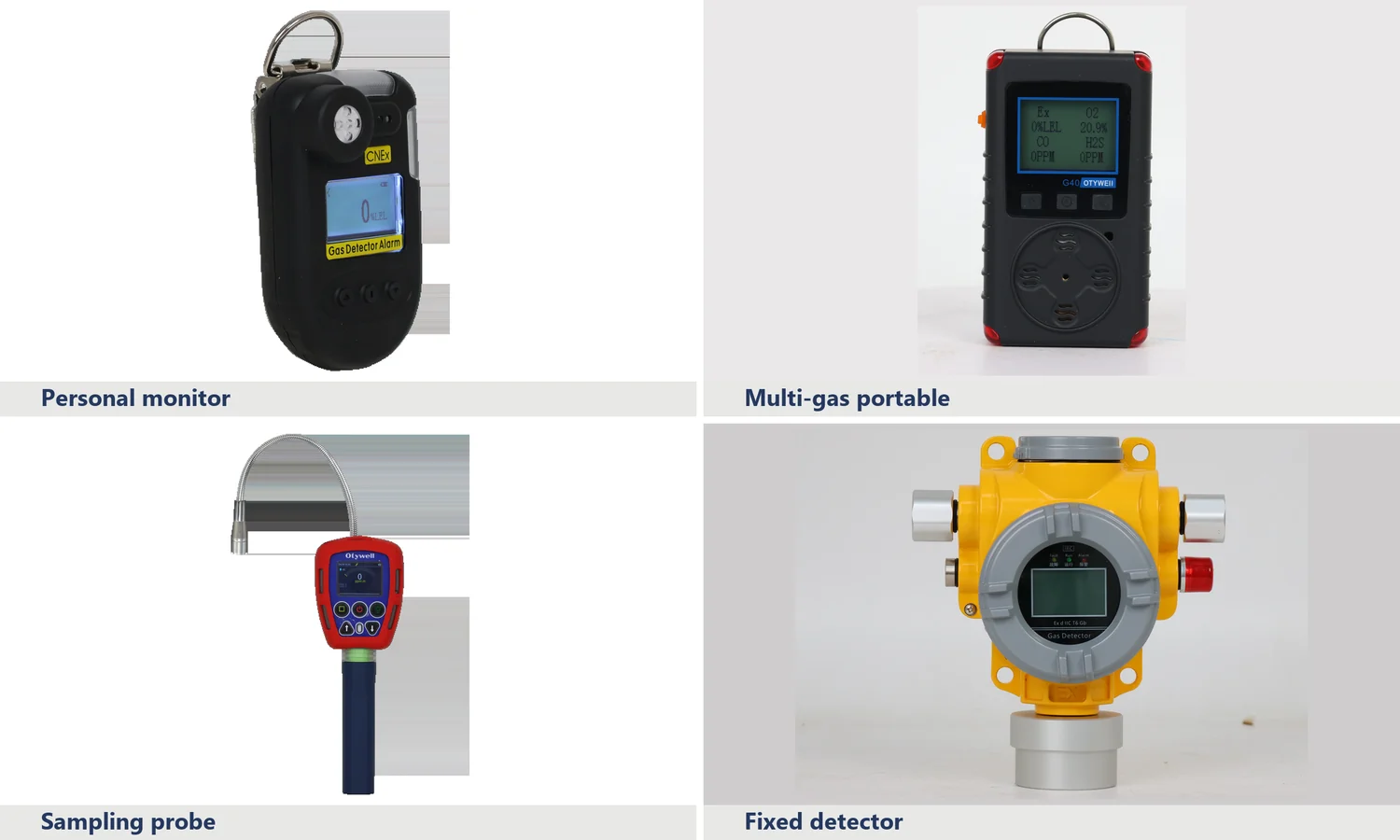
The product families below list carbon monoxide among their available gas configurations on Otywell’s current product pages. They are starting points for an enquiry, not a statement that every version contains a CO sensor. Confirme o gás, faixa, método de amostragem, power arrangement, approvals and accessories on the final quotation.
Plan Placement Around the Release, Airflow and Worker
Carbon monoxide has a relative gas density close to air, so a simple rule based only on whether the gas rises or falls is not enough. Temperatura, the release source, exhaust momentum, ventilação, portas, ducts and equipment can all shape the concentration pattern. A detector should be located where it can detect a credible release in time to support the planned response.
For fixed monitoring, map combustion sources, áreas ocupadas, air supply and exhaust points before choosing locations. Avoid positions where equipment blocks airflow or where water, sujeira, heat or vibration exceed the detector’s limits. The sensor and its calibration interface must remain accessible for inspection and service.
Personal detectors belong in the position specified by the site procedure and manufacturer instructions. They measure the atmosphere at the instrument, not every part of the room. Remote sampling requires enough purge and response time for the whole sample path. If conditions can stratify or the source moves, a single fixed point may not represent the entire area.
The final layout should be reviewed against the applicable code, process hazard assessment and detector instructions. A portable instrument can supplement a fixed system during maintenance or investigation, but it does not automatically replace continuous coverage. Da mesma maneira, a fixed detector cannot warn a worker in every remote or enclosed location.
Commissioning, Bump Testing and Calibration
Before field use, confirm that the delivered detector matches the purchase order. Check the installed gas channel, faixa, unidades, funções de alarme, sampling mode, accessories and documents. Label instruments clearly if a product family has several configurations.
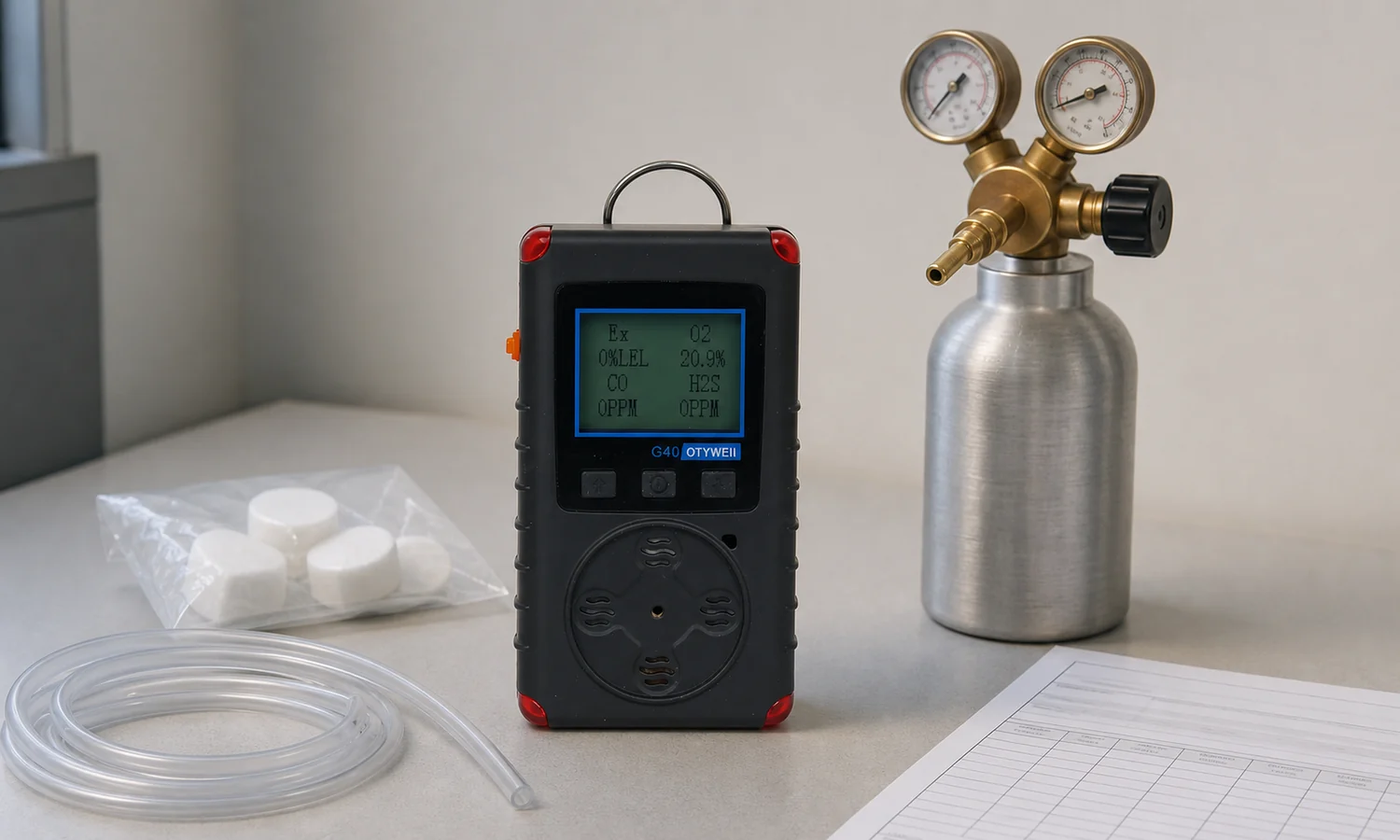
A bump test applies suitable challenge gas to confirm that the sensor responds and the alarms operate. A calibration check compares the displayed value with a known concentration, while a full calibration adjusts the response. Nosso teste de resposta vs guia de calibração explains the difference, test setup and records.
Use a concentração do cilindro, gás de equilíbrio, regulador, fluxo, tubing and adapter specified for the detector. Test frequency should follow the manufacturer instructions, programa local, histórico de testes, operating conditions and applicable requirements. Perform additional checks after events such as failed tests, substituição do sensor, suspected damage or unusual exposure when the procedure requires them.
Keep records for instrument identity, assigned configuration, gás de teste, data, operador, resultado, calibration and repair. Remove an instrument from service if it cannot pass the required checks. Changing an alarm setpoint does not repair a weak or failed sensor.
Common CO Detector Buying Mistakes
- Buying a household alarm for an industrial task. The required range, alarmes, aprovações, records and maintenance program may be different.
- Choosing only by maximum range. The selected range must still provide the resolution and response needed for the decision.
- Assuming every multi-gas unit includes CO. Confirm the installed channels on the quotation and delivery documents.
- Ordering diffusion sampling for a remote test. If the operator must test through a probe or tube, specify the approved pump and accessories.
- Using gas density as the complete placement method. A useful layout also considers source behavior, movimento do ar, workers and response time.
- Ignoring cross-sensitivities and environment. Other gases, temperatura, humidity and contamination can affect sensor performance.
- Leaving service requirements until after delivery. Gás de teste, reguladores, equipamento de calibração, spares and records are part of the purchase.
Carbon Monoxide Detector Procurement Checklist
- Identify each credible CO source and the operating conditions that can produce it.
- State whether the task is personal exposure, monitoramento de área, pre-entry testing, source investigation or process measurement.
- List other gases that must be measured at the same time.
- Especifique o intervalo, resolução, units and required alarm functions.
- Choose diffusion, pump-suction or fixed sampling and list the necessary accessories.
- Provide temperature, umidade, pó, água, vibration and hazardous-location requirements.
- Define event logs, data export, relés, analog signals, digital communication and controller needs.
- Request sensor limitations, cross-sensitivity information and the exact product documents.
- Planeje testes de resposta, calibração, gás de teste, spare instruments and sensor replacement.
- Put every confirmed option on the quotation and inspect the delivered configuration before use.
Perguntas frequentes
What is the difference between an industrial CO detector and a household CO alarm?
An industrial detector is selected for a defined workplace task and may require ppm display, personal exposure functions, bombas, registros de dados, system outputs or hazardous-area documentation. A household alarm is designed for its stated residential standard and use. Do not substitute one for the other without a qualified review.
Should a carbon monoxide detector be portable or fixed?
Use a portable or personal detector when the instrument must travel with a worker or support task-based sampling. Use fixed detection for continuous monitoring at selected points and connection to local alarms or control systems. Some sites need both.
Can a four-gas monitor detect carbon monoxide?
It can when a Sensor de CO is installed. A common four-gas combination includes CO, H2S, oxygen and combustible gas, but the name “monitor de quatro gases” does not prove which four channels are fitted. Check the configuration.
Does a CO detector need a pump for confined-space sampling?
A pump is needed when the approved procedure requires a remote sample through a probe or tube. A diffusion instrument measures at the detector’s own location. Confined-space work may also require monitoring for gases other than CO.
How often should an industrial CO detector be bump tested or calibrated?
There is no single interval for every detector and site. Follow the manufacturer’s instructions, the workplace program, requisitos aplicáveis, service history and operating conditions. Test after events that the procedure identifies as reasons for additional verification.
Prepare the Gas List Before Requesting a Quote
A useful enquiry states more than “CO detector needed.” Provide the source, work area, monitoring role, concentração esperada, método de amostragem, other gases, condições ambientais, quantidade, required outputs and destination market. Ask the supplier to return the exact sensor, faixa, accessories and documents in writing.
A carbon monoxide gas detector supports a broader safety program. It does not replace ventilation, combustion maintenance, exposure assessment, safe-work procedures, training or emergency planning. Select the instrument for the decision it must support, verify the delivered configuration, and keep it tested throughout its service life.

WeChat
Digitalize o código QR com WeChat