 Henan Otywell Electronic Technology Co., Ltd

Un rilevatore di gas può avviarsi normalmente, mostrare letture pulite, e risultare ancora inagibile. Una schermata di avvio dimostra solo che l'elettronica è accesa. Ciò non dimostra che il gas possa raggiungere i sensori o che le letture siano accurate. Ciò richiede un bump test o una calibrazione.
UN prova ad impatto conferma che il gas raggiunge i sensori e che il rilevatore risponde e attiva i suoi allarmi. UN controllo della calibrazione confronta la lettura visualizzata con una concentrazione nota del gas di prova senza regolare lo strumento. UN calibrazione completa regola il rilevatore in modo che la sua risposta corrisponda al gas di riferimento certificato.
Il superamento di un bump test non dimostra l'accuratezza della misurazione. Il superamento di un controllo di calibrazione sì.
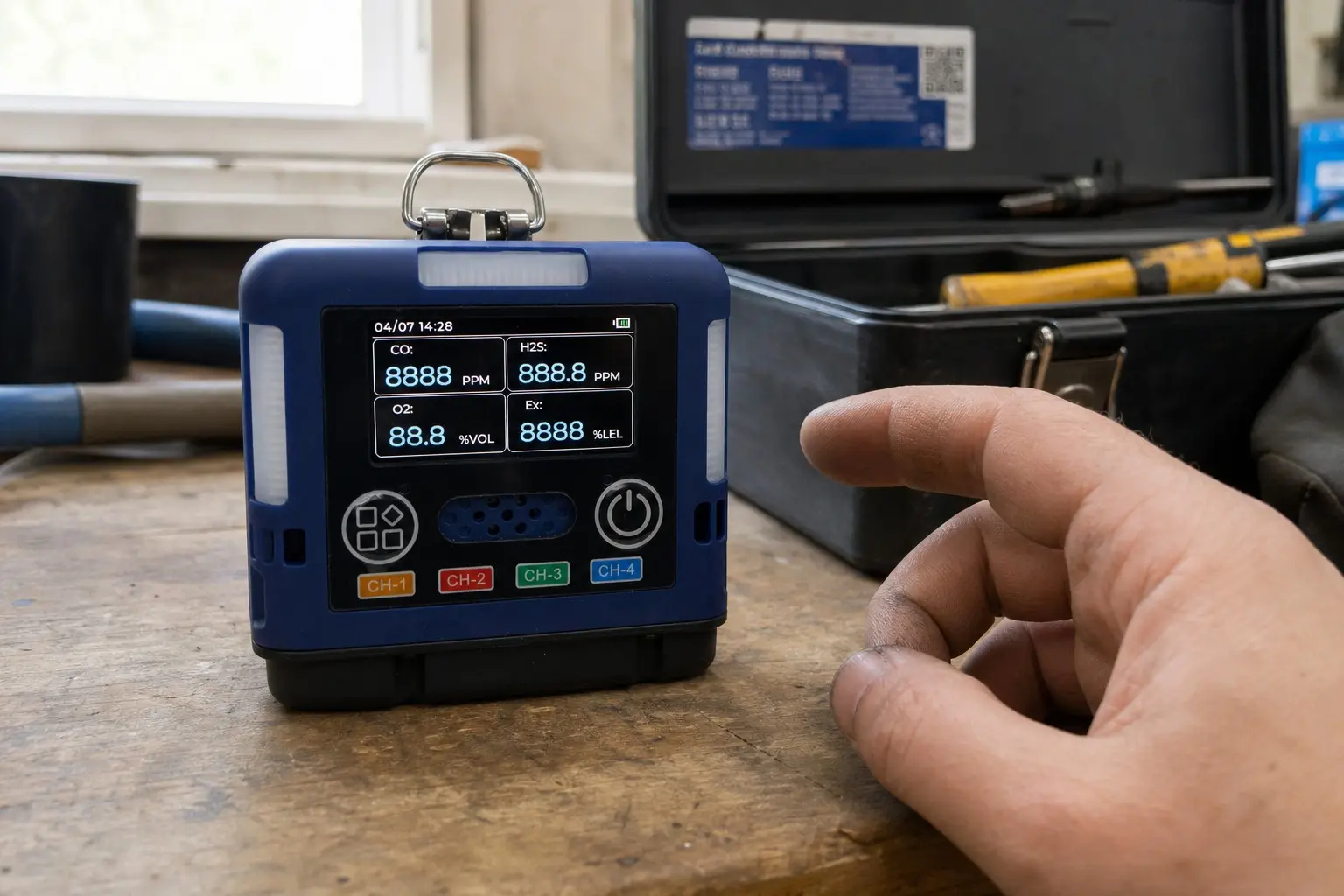
Test di funzionalità e calibrazione in breve
| Articolo | Prova d'urto | Controllo della calibrazione | Calibrazione completa |
|---|---|---|---|
| Scopo principale | Confermare la risposta del sensore e il funzionamento dell'allarme | Verificare l'accuratezza della misurazione | Regolare la precisione della misurazione |
| Modifica le impostazioni dello strumento | NO | NO | SÌ |
| Risultato tipico | Passare o fallire | Entro o fuori tolleranza | Lettura adattata al gas di riferimento |
| Utilizza gas di prova | SÌ | SÌ | SÌ |
| Conferma l'accuratezza | NO | SÌ | SÌ |
| Se fallisce | Controlla la configurazione, quindi calibrare | Eseguire una calibrazione completa | Rimuovere dal servizio se il problema persiste |
Un sensore debole può comunque far sì che la lettura superi un punto di allarme durante un bump test. Il rilevatore emette un segnale acustico, quindi il test appare rassicurante, ma il valore visualizzato potrebbe non rientrare nella tolleranza del produttore. L'allarme funziona. La misurazione potrebbe non esserlo.
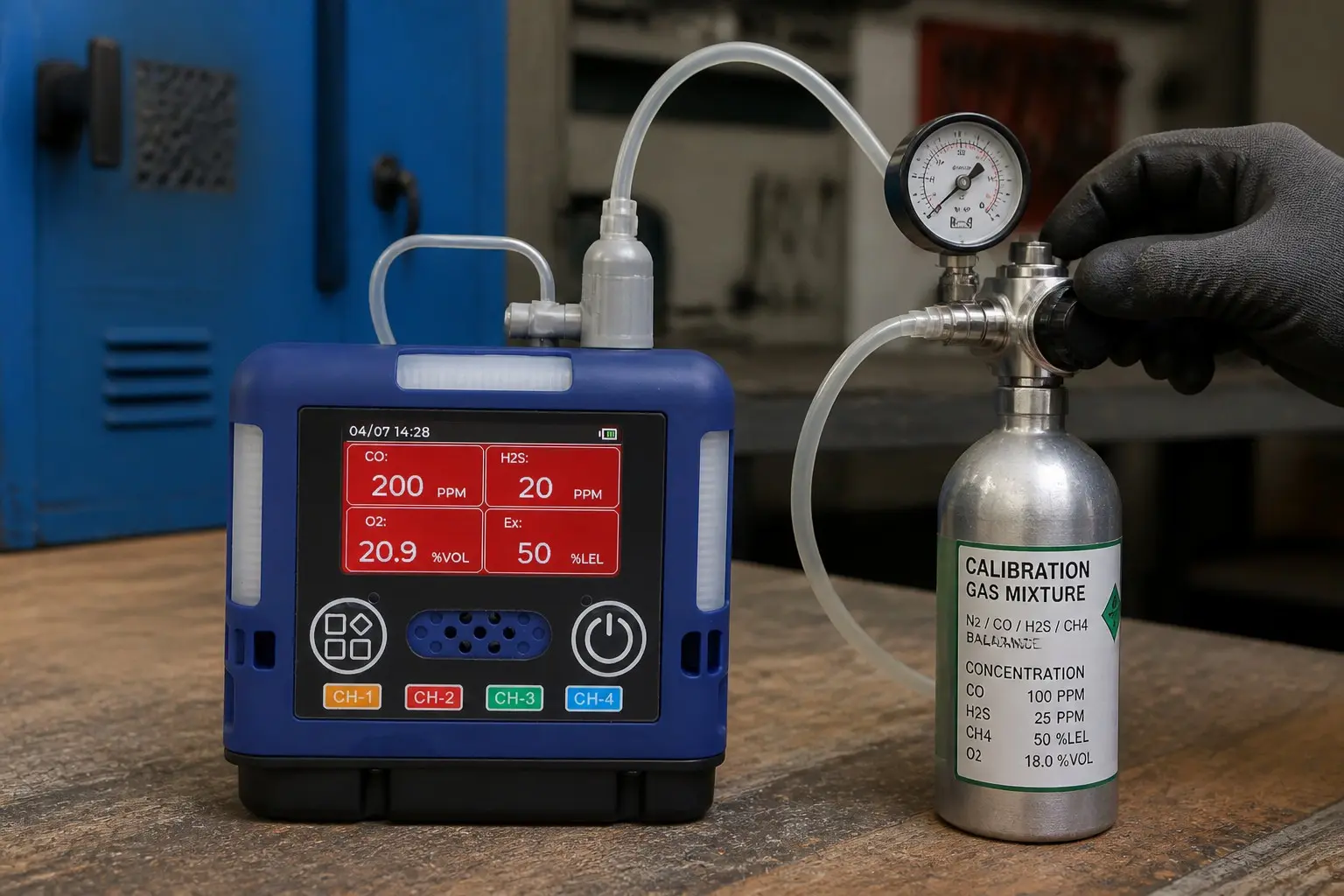
Che cos'è un bump test del rilevatore di gas?
Un bump test è un breve test funzionale. Il rilevatore è esposto a una concentrazione adeguata di gas di prova per un tempo sufficiente a consentire la risposta di ogni sensore installato e l'attivazione degli allarmi configurati.
Un corretto bump test verifica l'intero percorso dal cilindro all'utilizzatore:
- Il gas di prova può passare attraverso il regolatore, tubo, e tappo di calibrazione.
- Il gas raggiunge ogni sensore installato.
- Le letture del sensore aumentano o diminuiscono come previsto.
- Udibile, visivo, e gli allarmi a vibrazione funzionano.
- Il display identifica il canale del gas interessato.
Tenere semplicemente il gas vicino al rilevatore finché non emette un segnale acustico non è un test corretto. Utilizzare la modalità bump test dello strumento e i criteri di superamento indicati nel relativo manuale. Senza quella procedura, potresti non avere alcun risultato salvato, nessuna soglia definita, e nessuna prova che ogni sensore abbia risposto.
Ciò che un bump test non dimostra
Un bump test non è un test di precisione. Non dimostra che a 25 Il valore ppm del gas di riferimento del monossido di carbonio produce una lettura compresa nell'intervallo accettabile del produttore. Non corregge la deriva del sensore né stabilisce la precisione nell'intervallo di misurazione. Inoltre non sostituisce l'ispezione della pompa, filtri, batteria, allegato, o linea di campionamento.
Il bump test chiede se il rilevatore risponde al gas e avvisa l'utente. La calibrazione controlla se la lettura visualizzata è sufficientemente vicina al riferimento noto di cui fidarsi.
Cos'è un controllo di calibrazione?
Un controllo di calibrazione espone il rilevatore a gas certificato di una concentrazione nota e confronta il risultato visualizzato con il valore indicato sulla bombola. Il rilevatore non viene regolato durante il controllo.
Prima del controllo, Potrebbe essere necessario azzerare il rilevatore in aria pulita confermata o con aria zero. Il cilindro giusto, regolatore, portata, tubo, adattatore, tempo di esposizione, e le condizioni ambientali influenzano il risultato.
Utilizzare la tolleranza specificata dal produttore del rilevatore. Una percentuale presa in prestito da un altro modello potrebbe essere errata. LEL catalitico, H2S elettrochimico, e i sensori a infrarossi non condividono necessariamente gli stessi criteri di test. La nostra guida a tipi di sensori del rilevatore di gas copre le loro diverse risposte e modalità di fallimento.
Se la lettura visualizzata rientra nella tolleranza specificata, l'assegno passa. In caso contrario, lo strumento necessita di una calibrazione completa prima dell'uso.
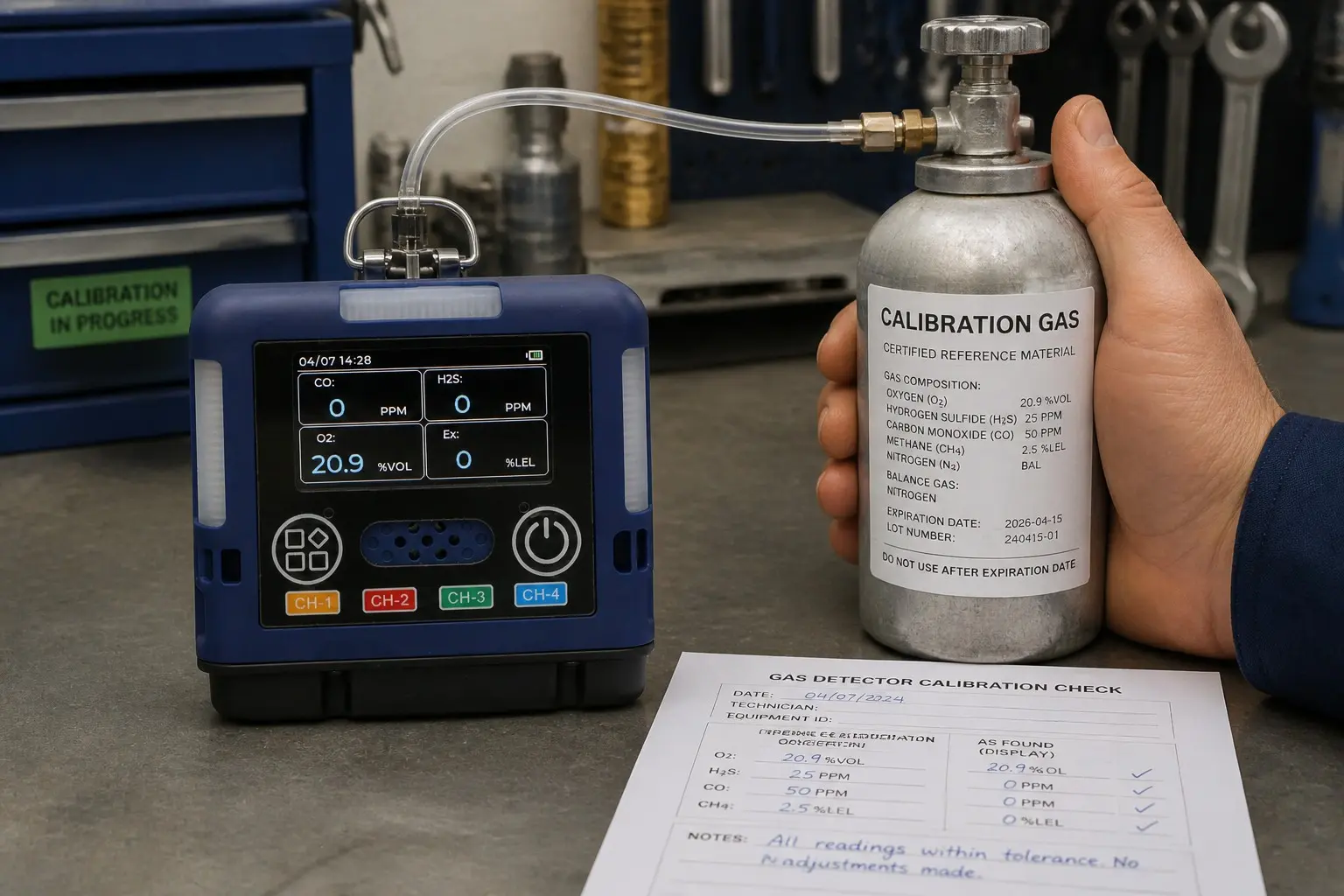
Che cos'è una calibrazione completa?
Una calibrazione completa modifica la risposta del rilevatore in modo che la sua lettura coincida con uno o più punti di riferimento noti. Per la maggior parte dei rilevatori di gas portatili, ciò include una fase di zero seguita dalla calibrazione dello span con gas di prova certificato.
Calibrazione zero
L'azzeramento imposta la linea di base e deve essere effettuato in aria nota per essere pulita. Aria accanto a una linea di processo, scarico del veicolo, armadio per solventi, o l'apertura della fogna non deve essere considerata pulita. Utilizzare Zero Air approvato quando non è possibile confermare l'atmosfera.
L'azzeramento in aria contaminata può nascondere un pericolo. Se un sensore di CO viene azzerato mentre è presente monossido di carbonio, le letture successive potrebbero essere inferiori alla concentrazione effettiva.
Calibrazione del campo
La calibrazione del campo applica una concentrazione di gas nota e regola la risposta del sensore su quel valore. La miscela, gas di equilibrio, e la portata devono corrispondere ai requisiti dello strumento. Un flusso eccessivo può pressurizzare il percorso del sensore. Un flusso basso può diluire il campione o produrre una lettura instabile.
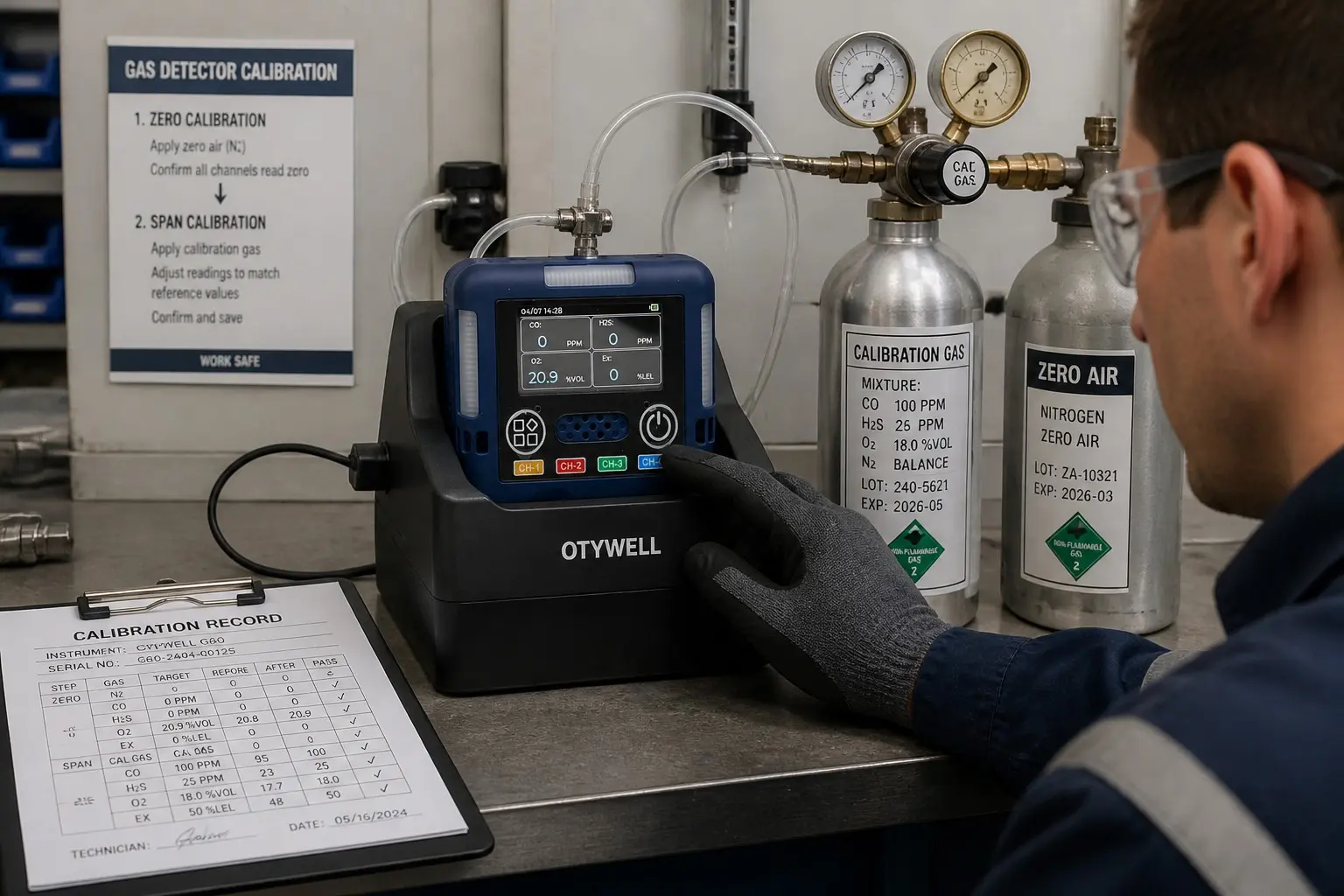
Con quale frequenza eseguire il bump test di un rilevatore di gas?
Per monitor portatili, eseguire un bump test o un controllo della calibrazione prima dell'uso quotidiano, a meno che il produttore e il programma scritto non specifichino una procedura diversa. L'attuale guida OSHA sulla calibrazione e il test dei monitor a lettura diretta incorpora la stessa raccomandazione del settore.
Il bollettino OSHA è una guida. Non sostituisce le istruzioni per un particolare strumento o le regole in un particolare posto di lavoro. Alcuni siti eseguono test prima di ogni turno o ogni volta che la sala attrezzi emette un rilevatore. Altri utilizzano docking station che scelgono un bump test o una calibrazione dalla cronologia memorizzata del rilevatore.
Un test aggiuntivo è sensato quando:
- Il rilevatore è caduto o ha colpito.
- Acqua, condensazione, o polvere pesante potrebbe essere entrata nello strumento.
- I sensori sono stati esposti a una concentrazione di gas fuori range.
- Il rilevatore è stato immagazzinato per un lungo periodo.
- Un sensore, filtro, pompa, o il componente correlato è stato sostituito.
- Lo strumento segnala un'anomalia, risposta lenta, o lettura zero insolita.
Il lavoro in spazi confinati richiede anche la giusta configurazione del sensore e il corretto utilizzo durante le fasi di pre-ingresso e i test continui. Nostro guida al monitoraggio dei gas negli spazi confinati copre tale procedura sul campo.
Con quale frequenza deve essere calibrato un rilevatore di gas?
Non esiste un unico intervallo di calibrazione adatto a ogni rilevatore di gas. Utilizza il programma del produttore, il programma di sicurezza del sito, cronologia delle prove, tipo di sensore, condizioni operative, e le normative applicabili.
Un rilevatore utilizzato occasionalmente in ambienti chiusi ha una storia di servizio diversa da uno trasportato ogni giorno attraverso pozzetti di acque reflue, impianti chimici, o lavori di manutenzione offshore. Calore, umidità, veleni dei sensori, impatto, esposizione fuori range, e una lunga conservazione può giustificare un intervallo più breve.
Eseguire una calibrazione completa quando:
- Un bump test o un controllo di calibrazione falliscono dopo che la configurazione del test è stata verificata.
- Una lettura non rientra nella tolleranza accettabile del produttore.
- Il rilevatore o un sensore è stato riparato o sostituito.
- Avvelenamento del sensore, inibizione, o si sospetta un danno fisico.
- È prevista la calibrazione programmata dal produttore.
Se il rilevatore non riesce a superare la calibrazione completa, rimuoverlo dal servizio. La modifica dell'impostazione di un allarme non ripara un canale guasto. Neppure a “solo a titolo indicativo” L'etichetta rende il rilevatore adatto per lavori di salvaguardia della vita.
Procedura di bump test del rilevatore di gas
I menu e i tempi variano in base al modello. La sequenza di base è la stessa.
- Ispezionare la custodia, aperture dei sensori, filtro, ingresso della pompa, batteria, display, e porte di allarme.
- Abbina ogni sensore installato a un componente appropriato nel cilindro di prova.
- Controllare la concentrazione della bombola, gas di equilibrio, molte informazioni, pressione, e data di scadenza.
- Montare il regolatore specificato, tubo, e adattatore di calibrazione. Verificare la presenza di collegamenti allentati.
- Avvia la modalità bump del rilevatore. Non sostituire una dimostrazione di allarme non registrata quando lo strumento fornisce una funzione di test formale.
- Applicare il gas al flusso specificato per il tempo di esposizione dichiarato dal produttore.
- Guarda ogni canale e conferma l'udibile, visivo, e allarmi a vibrazione.
- Arrestare il gas e attendere che le letture ritornino alla normalità prima di chiudere il test.
- Registrare l'ID dello strumento, data, operatore, cilindro, e risultato superato/fallito.
Il campionamento remoto aggiunge la pompa, sonda, e la linea di campionamento all'impostazione del test. IL Rilevatore di gas a pompa Otywell S311, Per esempio, disegna un campione da un punto lontano dall'operatore.
Procedura di calibrazione completa
- Ispezionare il rilevatore e verificare che la batteria possa completare la procedura.
- Confermare che il gas di calibrazione corrisponda ai sensori installati e alle impostazioni dello strumento.
- Controlla la data di scadenza della bombola, concentrazione, gas di equilibrio, e pressione.
- Passare a un'aria pulita confermata o collegare Zero Air approvato.
- Accedere alla modalità di calibrazione dello strumento e completare la fase zero.
- Collegare il regolatore corretto, tubo, e tappo di calibrazione.
- Applicare il gas di span al flusso specificato e attendere letture stabili.
- Consentire allo strumento di salvare i nuovi valori di calibrazione.
- Rimuovere il gas e lasciare che le letture si riprendano.
- Confermare la data e lo stato di calibrazione visualizzati.
- Eseguire la verifica post-calibrazione del produttore quando richiesto.
- Registrare il risultato come trovato, risultato come a sinistra, dettagli della bombola del gas, e operatore.
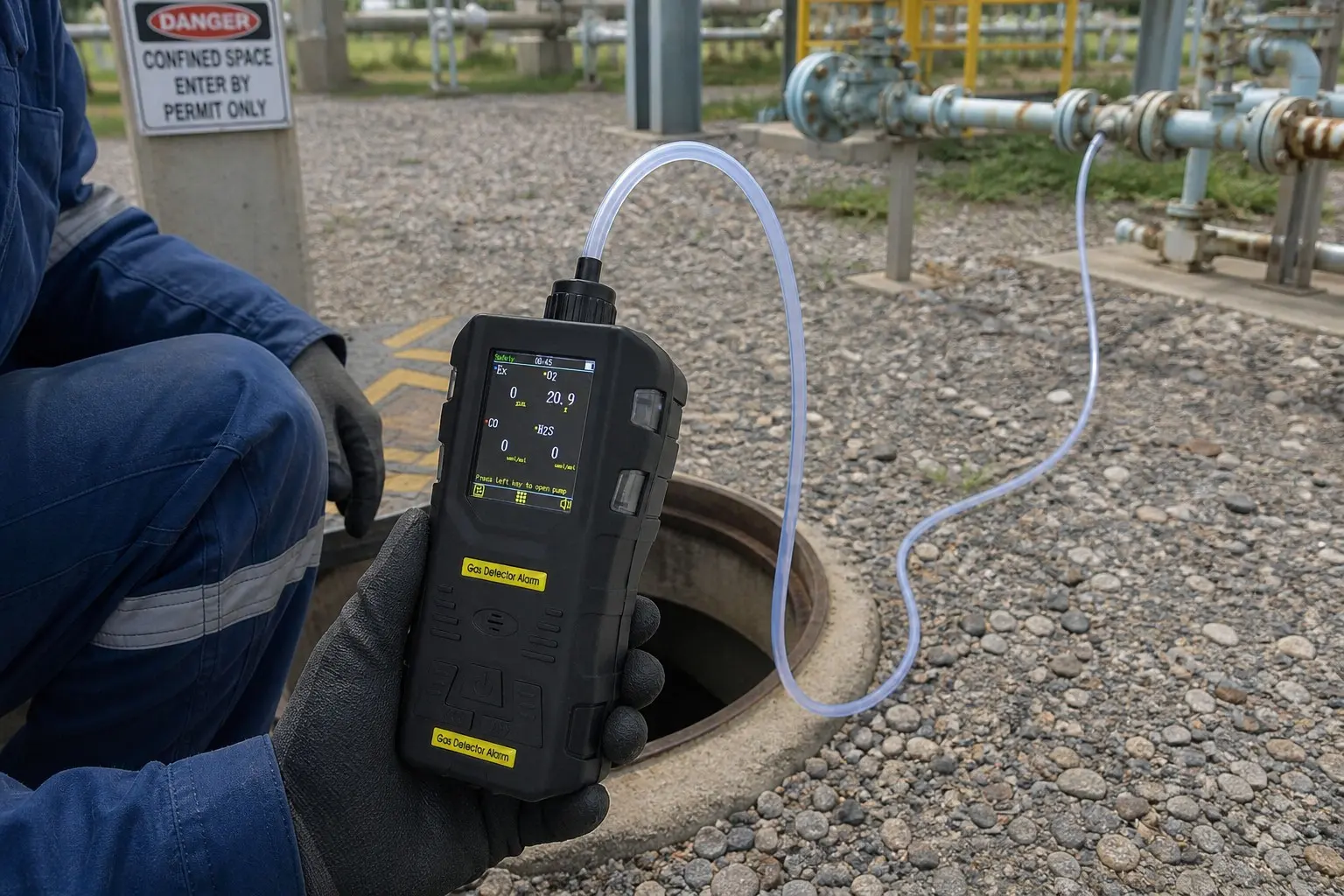
Non esiste una sequenza di pulsanti universale. UN monitor a quattro gas può calibrare ogni canale da un cilindro misto. Un rilevatore dotato di sensori di gas reattivi o specializzati potrebbe richiedere bombole separate, tubazione diversa, o un'altra disposizione del flusso.
Cosa fare quando un bump test fallisce
Controllare la configurazione del test prima di inviare il rilevatore per la riparazione. Una bombola vuota o scaduta, regolatore chiuso, tubo che perde, adattatore bloccato, o una miscela di gas errata può produrre lo stesso risultato negativo di un sensore difettoso.
Risolvere l'errore in questo ordine:
- Rimuovere il rilevatore dall'uso.
- Conferma il cilindro, regolatore, tubo, adattatore, fluire, e testare le impostazioni.
- Ripetere il test secondo la procedura del produttore.
- Se fallisce ancora, eseguire una calibrazione completa.
- Se la calibrazione completa fallisce, mantenere il rilevatore fuori servizio e organizzare la riparazione o la sostituzione del sensore.
La risorsa OSHA sugli strumenti di lettura diretta fornisce ulteriori indicazioni tecniche per i datori di lavoro che utilizzano questi dispositivi per valutare l'esposizione.
Perché i bump test e le calibrazioni falliscono
Gas di prova scaduto o non idoneo
La concentrazione in una bombola può cambiare nel tempo. Solfuro di idrogeno, cloro, e altri gas reattivi richiedono particolare attenzione alla durata della bombola e alla compatibilità dei materiali. Non utilizzare una bombola oltre la data di scadenza, anche quando il manometro mostra ancora gas.
Bilanciamento gas errato
I componenti target possono essere miscelati con aria o azoto. Questa differenza può avere importanza, soprattutto per sensori di ossigeno e combustibili catalitici. Corrispondere al gas di bilanciamento specificato dal produttore del rilevatore.
Regolatore o flusso errato
Un regolatore a flusso fisso deve fornire la portata specificata per lo strumento. I sistemi a flusso di domanda e i monitor con pompa utilizzano disposizioni diverse. Il regolatore sbagliato potrebbe compromettere il percorso del campione o interferire con la pompa.
Tubazione che perde o è reattiva
I raccordi allentati diluiscono il gas di prova. Alcuni materiali dei tubi assorbono i gas reattivi prima che il campione raggiunga il sensore. Utilizzare il materiale specificato e mantenere la linea più corta quanto consentito dalla procedura.
Ingresso bloccato o sensore contaminato
Fango, nastro, polvere, acqua, colore, e residui oleosi possono bloccare il percorso del gas. I sensori catalitici possono anche perdere sensibilità dopo l'esposizione a veleni come alcuni composti siliconici. Un display pulito non indica se l'ingresso del sensore è libero.
Età del sensore o esposizione eccessiva
I sensori elettrochimici hanno una durata limitata. Un'elevata esposizione al gas può accorciarla, e un certo invecchiamento continua durante la conservazione. Una lenta ripresa, zero instabile, o ripetuti errori di calibrazione richiedono un controllo del sensore, non un altro ciclo di calibrazione ripetuta.
È possibile utilizzare lo stesso gas per il bump test e la calibrazione?
Spesso, SÌ. Una bombola certificata può supportare entrambe le procedure quando i suoi componenti, concentrazioni, gas di equilibrio, regolatore, e il flusso corrispondono alle istruzioni del rilevatore. Il metodo cambia. Un bump test conferma la risposta e gli allarmi; la calibrazione controlla o regola la precisione.
Le etichette “urtare il gas” E “gas di calibrazione” importa meno delle specifiche del cilindro. Prima di ordinare, fornire il modello del rilevatore, sensori installati, intervalli, concentrazioni richieste, gas di equilibrio, tipo di regolatore, e numero di strumenti.
Test di rilevatori di gas portatili e fissi
| Articolo | Rilevatore portatile | Rivelatore fisso |
|---|---|---|
| Utilizzo tipico | Protezione personale e controlli a campione | Monitoraggio continuo dell'area |
| Test funzionale | Spesso prima dell'uso quotidiano | Impostato dal programma di manutenzione e dal produttore |
| Consegna del gas | Tappo di calibrazione o docking station | Tappo di calibrazione, porta, o tubi remoti |
| Stress comune | Gocce, ingressi ostruiti, movimentazione quotidiana | Tempo atmosferico, contaminazione, installazione inaccessibile |
| Record | Storico dello strumento e dell'utente | Rilevatore e cronologia delle posizioni |
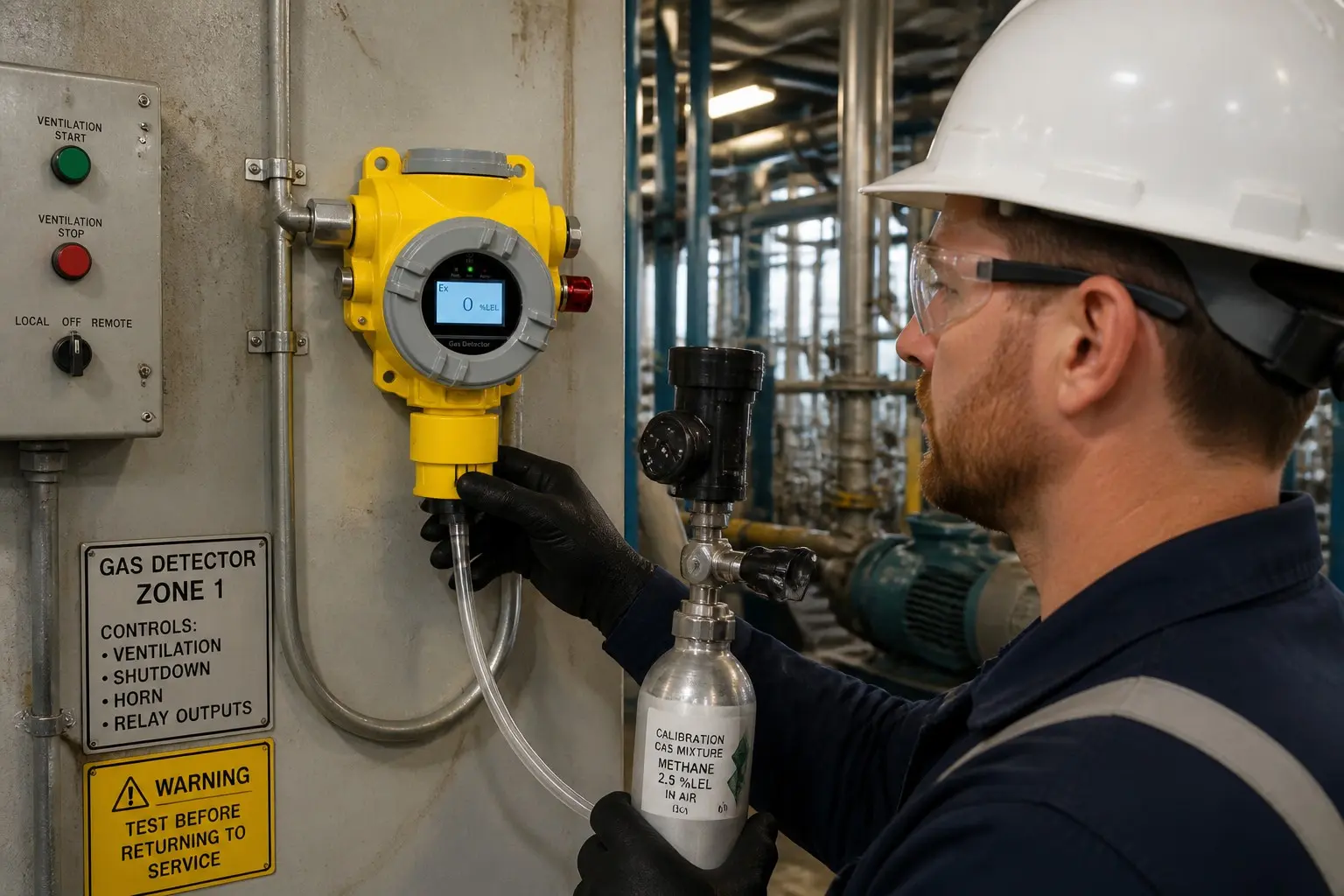
La pianificazione di un monitor portatile non dovrebbe essere copiata in una procedura di sistema fisso senza revisione. I rilevatori fissi possono controllare la ventilazione, spegnimenti, corna, relè, o sistemi remoti. Potrebbe essere necessario un test funzionale per verificare tali uscite e la risposta del sensore.
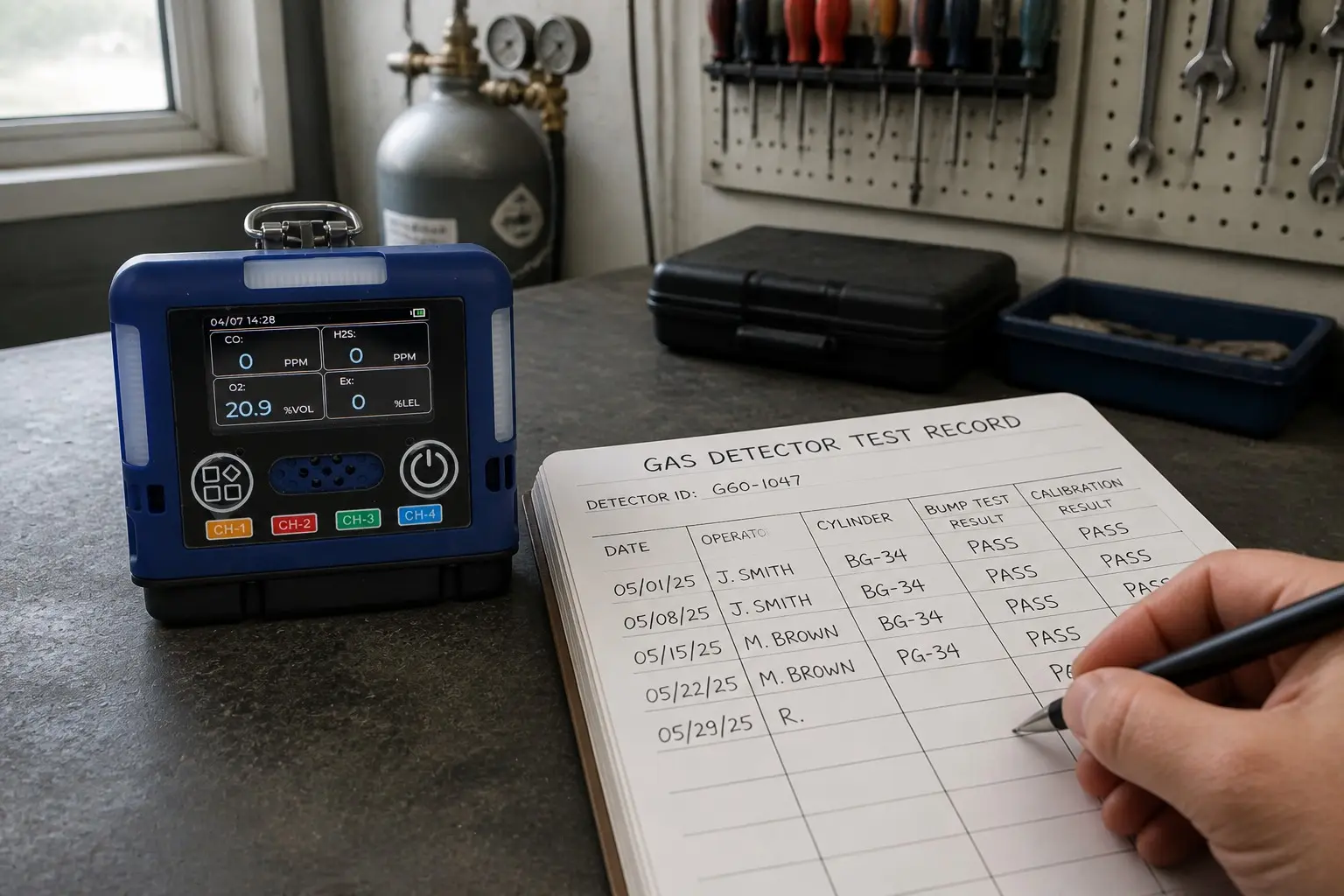
Cosa dovrebbe includere un record di test?
Al minimo, Mantenere:
- Modello e numero di serie del rilevatore
- Canali del gas installati
- Data, tempo, e operatore
- Tipo di prova
- Miscele di gas e concentrazioni
- Lotto della bombola e data di scadenza
- Regolatore e disposizione del flusso, se pertinente
- Letture come trovate per un controllo di calibrazione o una calibrazione completa
- Risultato superato/fallito
- Letture a sinistra dopo la calibrazione
- Riparazioni, sostituzioni dei sensori, o rimozione dal servizio
Una docking station può semplificare la tenuta dei registri. Non può correggere un cilindro sbagliato, gas scaduto, o una configurazione del sensore non documentata.
Test di funzionalità e lista di controllo della calibrazione
- ☐ Il cilindro è compatibile con ogni sensore testato.
- ☐ La bombola è entro la data di scadenza.
- ☐ Il gas di bilanciamento è corretto.
- ☐ Il regolatore fornisce la portata specificata.
- ☐ Tubi e adattatori siano puliti, compatibile, e senza perdite.
- ☐ L'azzeramento viene eseguito solo in aria pulita confermata o in aria zero approvata.
- ☐ Tutti i sensori rispondono.
- ☐ Udibile, visivo, e gli allarmi a vibrazione funzionano.
- ☐ Le letture del controllo di calibrazione soddisfano la tolleranza del produttore.
- ☐ I risultati vengono salvati o registrati.
- ☐ I rilevatori guasti rimangono fuori servizio.
Domande frequenti
Il bump test è uguale alla calibrazione?
NO. Un bump test conferma la risposta del sensore e la funzione di allarme. Un controllo di calibrazione verifica l'accuratezza della lettura, e una calibrazione completa regola la precisione.
Un bump test regola il rilevatore di gas?
NO. Espone brevemente i sensori al gas di prova ma non modifica i valori di calibrazione dello strumento.
Può un rilevatore superare un bump test ed essere comunque impreciso??
SÌ. Un sensore può rispondere in modo sufficientemente forte da attivare un allarme mentre la lettura visualizzata rimane al di fuori della tolleranza del produttore.
È necessario calibrare un rilevatore dopo un bump test fallito?
Per prima cosa verifica la bombola del gas, regolatore, tubo, adattatore, fluire, e testare le impostazioni. Se il rilevatore continua a non funzionare, eseguire una calibrazione completa. Rimuoverlo dal servizio se la calibrazione completa fallisce.
I nuovi rilevatori di gas necessitano di un bump test?
Seguire le istruzioni di messa in servizio del produttore. Un nuovo rilevatore dovrebbe comunque essere verificato funzionalmente prima di essere considerato affidabile per l'uso sul campo.
Il gas di calibrazione scaduto può causare risultati inaffidabili?
SÌ. Non utilizzare il gas di prova dopo la data di scadenza indicata, in particolare quando la miscela contiene gas reattivi.
Una regola pratica per il settore
Utilizza un bump test per rispondere, “Questo rilevatore risponderà e attiverà l'allarme?” Utilizzare un controllo di calibrazione per rispondere, “Questa lettura rientra nella tolleranza??” Eseguire una calibrazione completa quando lo strumento necessita di regolazione.
Queste procedure non possono compensare i sensori errati, un percorso del campione bloccato, o cattivo posizionamento. Se si sceglie l'attrezzatura durante la creazione del programma di test, IL Guida all'acquisto del rilevatore di gas per spazi confinati riguarda il metodo di campionamento, configurazione del gas, allarmi, registrazione dei dati, e funzionalità dei lavoratori connessi.
Testare il monitor prima di fare affidamento su di esso. Utilizzare il gas certificato specificato, registrare il risultato, e mantenere fuori servizio uno strumento guasto.

WeChat
Scansiona il codice QR con WeChat