 เหอหนาน Otywell เทคโนโลยีอิเล็กทรอนิกส์ จำกัด, บจ

Hydrogen Sulfide Gas Detector: A Guide to Industrial Selection
Choose a hydrogen sulfide gas detector by the job it needs to do: monitor the air around a worker, draw a sample from a remote point, or provide continuous monitoring at an identified risk location. Then check the gas channels, measurement performance, sampling arrangement and maintenance requirements.
These are different purchasing decisions. A small personal H2S monitor may fit one assignment, while another needs a pumped multi-gas instrument or a fixed detector connected to a control system. Buying the same model for every task can leave gaps that a longer specification sheet will not solve.
Do not use smell as a safety check. ที่ NIOSH Pocket Guide entry for hydrogen sulfide warns that the sense of smell rapidly becomes fatigued and cannot reliably warn of continuing exposure. This guide concerns H2S in air, not dissolved sulfide measurement or general odor investigation.
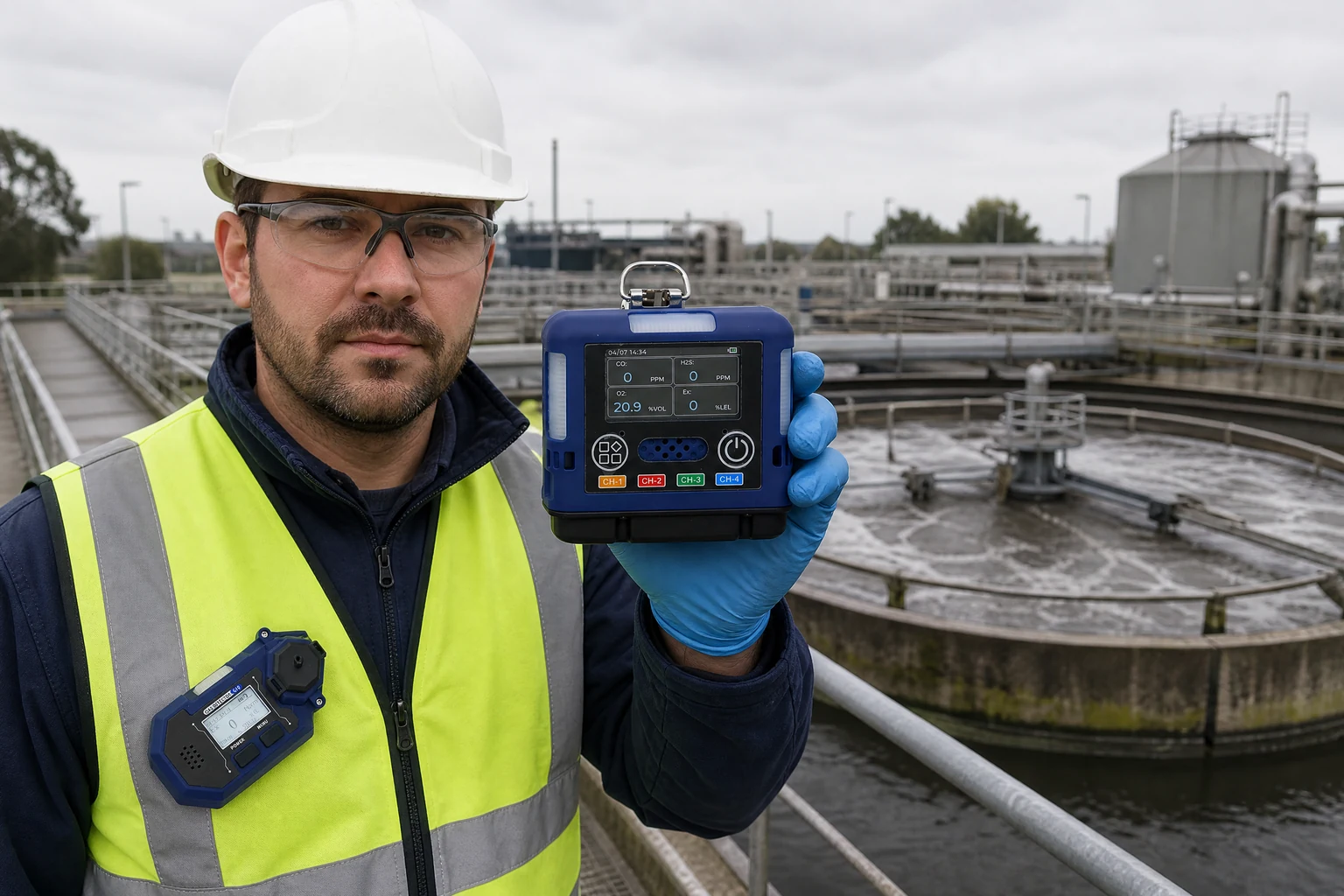
Choose the Detector Around the Monitoring Task
Personal Single-Gas Monitoring
A personal H2S monitor measures the gas at the instrument as the worker moves. Consider a single-gas version when the assessed task calls for H2S monitoring and other atmospheric hazards are addressed by the site’s protection arrangements. Specify how it will be worn, how staff will recognize its alarms and how its readiness will be checked.
It does not measure oxygen or establish that combustible and other toxic gases are absent. “Single-gas” describes its measurement capability, not the number of hazards in the workplace.
Multi-Gas Monitoring for Combined Hazards
A multi-gas detector with H2S may be appropriate where the assessment also identifies oxygen, combustible-gas or other toxic-gas monitoring needs. Check the actual installed channels. A model name or a list of optional sensors is not confirmation of what will arrive in the box.
A familiar O2, ก๊าซที่ติดไฟได้, CO and H2S combination still does not measure every possible contaminant. Select the combination around the task rather than assuming that four channels are always enough.
Remote Sampling Before Access
When the task requires measurement from a location that personnel have not entered, specify a suitable sampling arrangement. That can include a pump, สอบสวน, ท่อ, filters and the manufacturer’s operating procedure. A diffusion instrument cannot perform remote sampling without an approved arrangement that brings the sample to its sensors.
“Pumped” and “multi-gas” are not competing categories. One describes how the sample reaches the instrument; the other describes what it measures.
Fixed Monitoring at Identified Risk Points
A fixed hydrogen sulfide gas detector provides ongoing measurement at its sensing location. Review potential release points, ventilation and occupied areas when planning the system. Determine where readings and alarms need to be available, including any control-room connection.
Fixed monitoring does not automatically replace personal monitoring or pre-entry testing. A reading at one sensor is not proof of conditions throughout a room, chamber or tunnel.
| งาน | Configuration to consider | Question before purchase |
|---|---|---|
| Monitor a worker’s surroundings | Personal single-gas H2S monitor | Are other atmospheric hazards covered? |
| Monitor several identified gases | Multi-gas instrument with H2S | Which channels are supplied, rather than optional? |
| Measure from a remote point | Instrument with an approved sampling system | Is the complete sample path suitable for H2S? |
| Monitor an identified location continuously | Fixed H2S detector and specified alarm system | Who receives gas and fault warnings? |
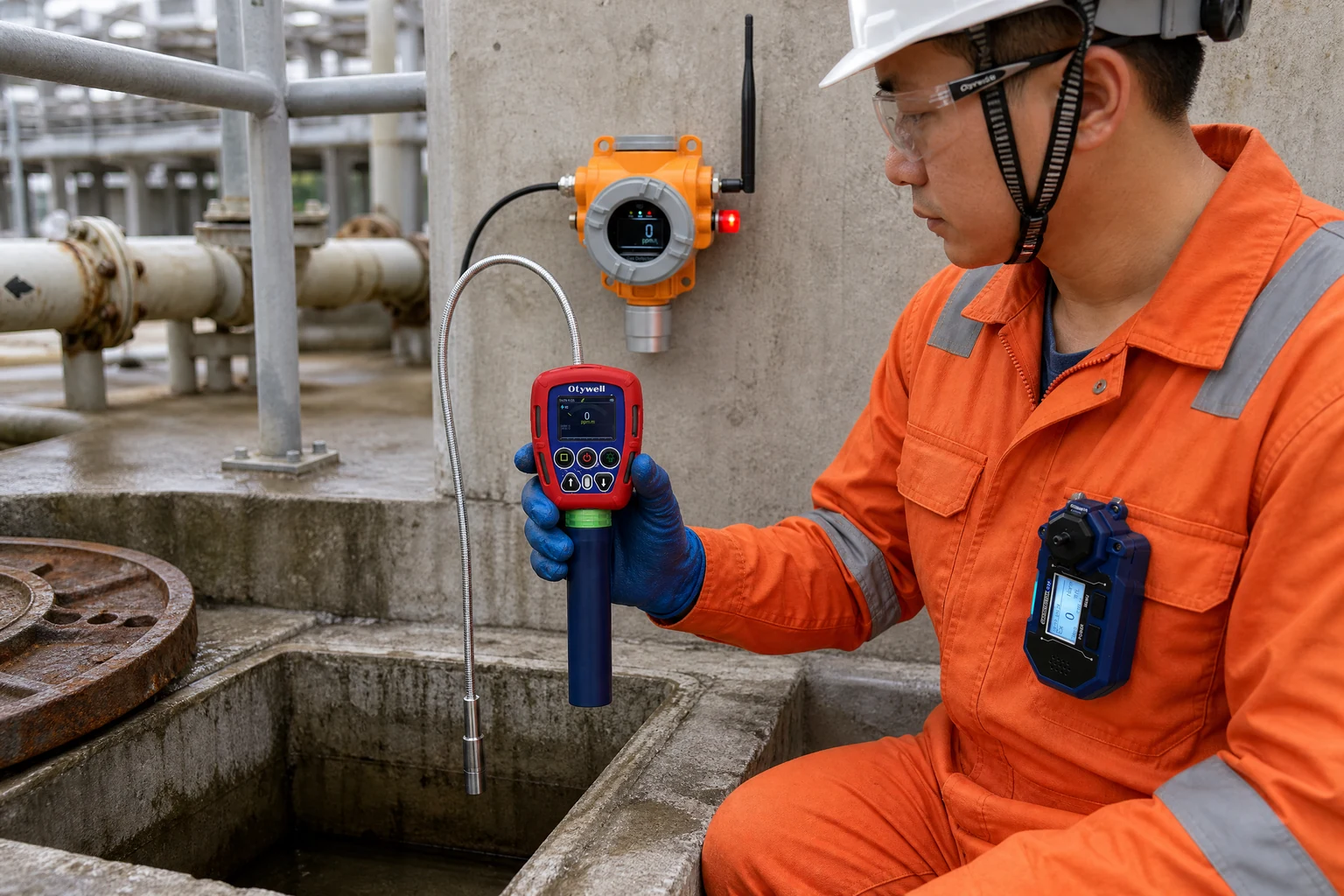
Match H2S Monitoring to Your Process and Work Area
Industry labels help narrow the enquiry, but they do not define the equipment. Dräger’s hydrogen sulfide detection overview covers both continuous and portable monitoring, with applications including wastewater treatment and chemical operations. The practical specification still depends on the process and work being performed.
Wastewater and Sludge Handling
Separate normal attendance, maintenance and access to enclosed areas. Staff working around a process area and a team preparing to inspect a chamber may need different monitoring arrangements. Record the gases identified in each assessment, the sampling task and who will maintain the equipment.
For the broader application, our guide to อุปกรณ์ตรวจจับก๊าซท่อน้ำทิ้ง discusses the surrounding gas-monitoring decisions. Here, the focus is the H2S instrument and its supplied configuration.
Chemical Operations with an Identified H2S Source
Describe the material or operation that could release H2S, rather than specifying a detector simply for a “chemical plant.” Identify accompanying gases, expected operating conditions and whether the task is workplace monitoring or process analysis. A personnel monitor should not be assumed suitable for a pressurized or high-concentration process stream.
Underground Chambers and Utility Tunnels
Establish the actual gas source, ingress route and access task. Underground location alone does not establish an H2S hazard. Where monitoring is required, consider compartments, ventilation paths and how measurements will be obtained without exposing staff to an unassessed atmosphere. Detector selection is only one part of the site’s entry and work arrangements.
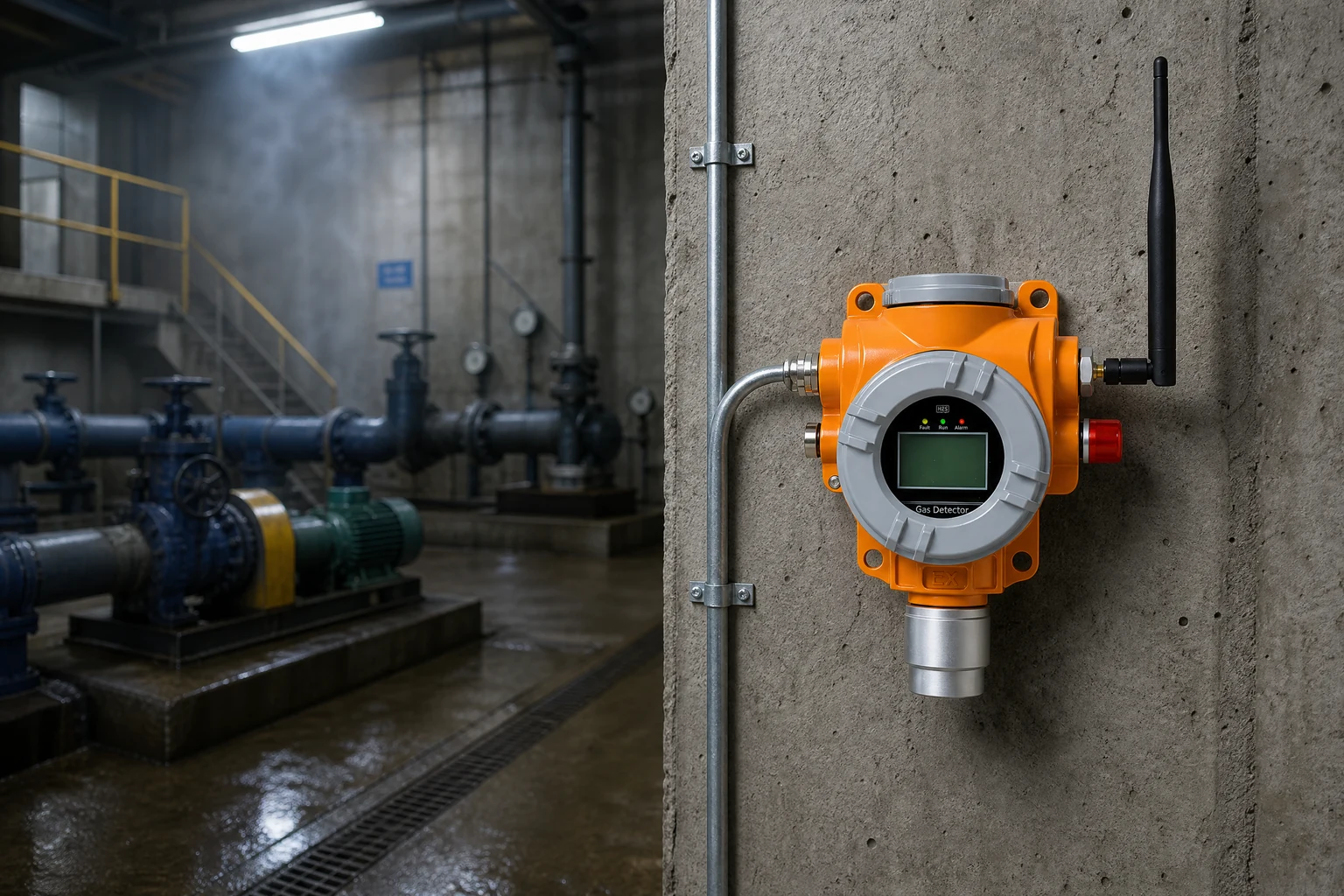
Compare the Specifications That Affect the Job
ช่วงการวัด, Resolution and Response
Ask whether the selected H2S range and accuracy support the intended monitoring decisions. A wider range is not automatically better. Resolution describes the displayed increments; it does not, by itself, establish measurement accuracy.
Read response specifications with their test conditions. A sensor response figure is not a promise that a reading will appear equally quickly through any length of sampling tube. Ask how the instrument indicates an over-range condition and what checks are required afterward.
Sensor Cross-Sensitivity and Environmental Limits
Request the cross-sensitivity information for the actual H2S sensor, along with temperature, humidity and pressure limits. Give the supplier a list of other substances that may be present. A generic statement that an instrument is suitable for “toxic gases” does not answer that question.
Include the conditions at the sampling point, not only the temperature where the operator stands. Clarify restrictions involving condensation, water ingress and contamination, and how the inlet or filter should be inspected.
Sampling Lines, Filters and Pump Compatibility
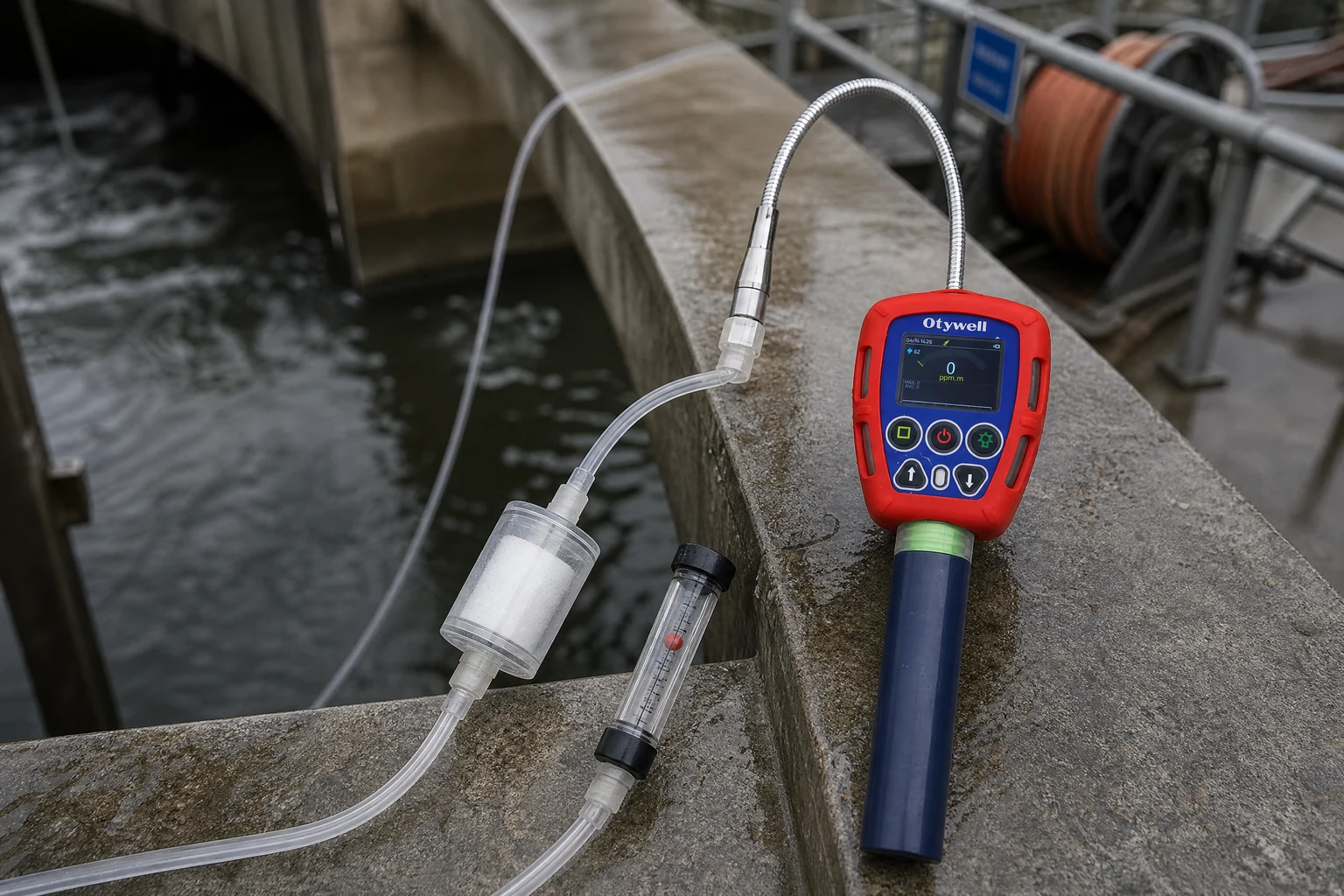
Specify the entire gas path. Ask the manufacturer to confirm the tubing material, permitted length, สอบสวน, ตัวกรอง, flow requirements and measurement waiting time for H2S. Have the supplier address possible gas losses or delayed response in the proposed arrangement. Do not substitute a convenient tube or filter without checking its suitability.
A pump specification alone does not validate the sample reaching the sensor. The operating procedure should explain how to check the assembled system and recognize a blocked-flow or pump-fault condition.
Hazardous-Area Approvals and Enclosure Protection
Check the exact model, sensor configuration and accessories against the approval requirements for the installation. Request the relevant documentation rather than relying on an “explosion-proof” description. An IP rating addresses enclosure ingress protection; it is not evidence of explosion protection.
| รายการ | Ask the supplier | Evidence to request |
|---|---|---|
| H2S measurement | Does this configuration meet the required range and accuracy? | Sensor-specific specification |
| Other gases | What interference or additional channels need consideration? | Cross-sensitivity data and channel list |
| Remote sampling | Is this complete sampling kit suitable for the task? | Approved accessories and instructions |
| การติดตั้ง | Is this exact variant suitable for the environment? | Environmental limits and applicable approval documents |
| Service | What tests, consumables and replacements are required? | Maintenance instructions and itemized scope |
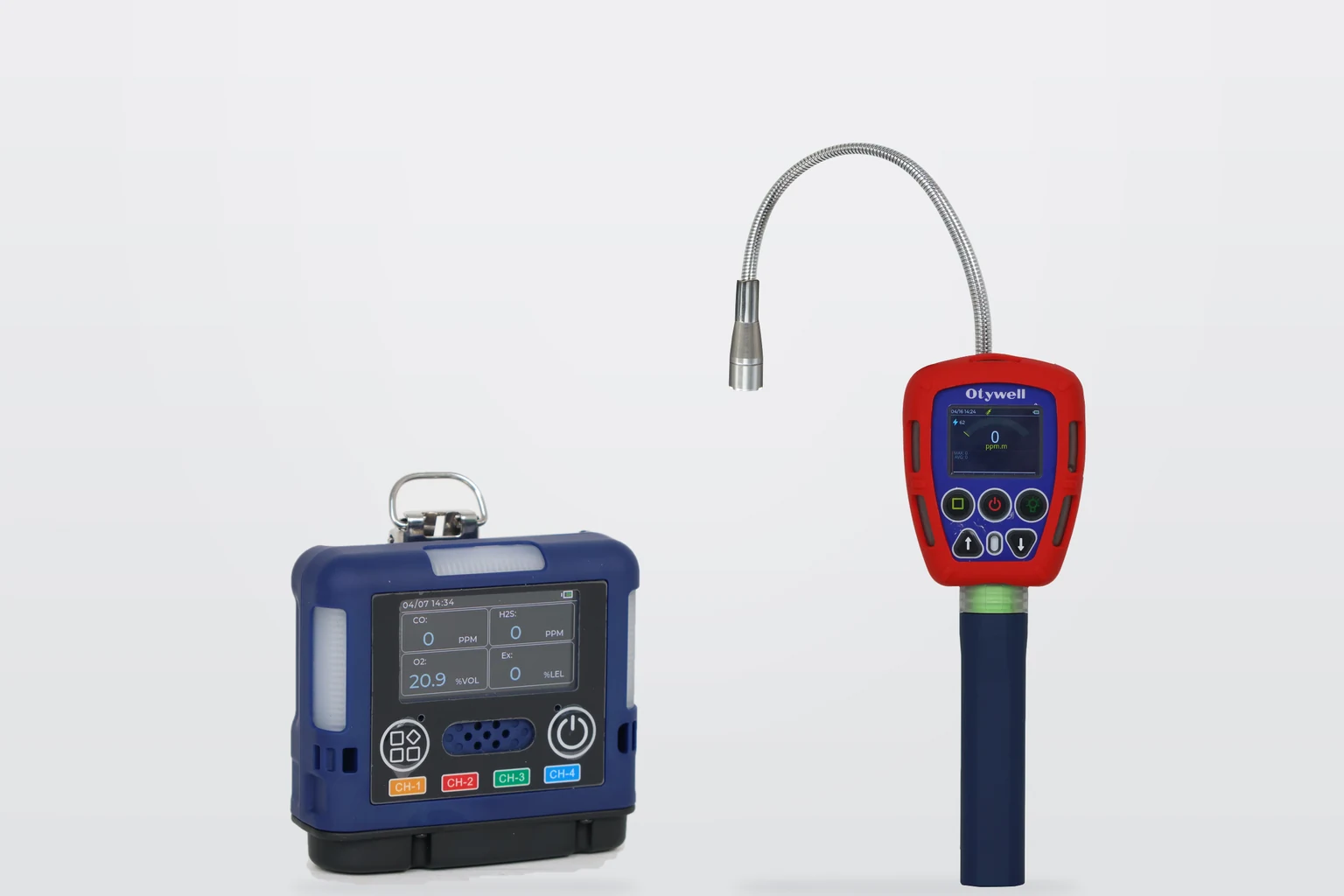
Otywell H2S Detector Options to Compare
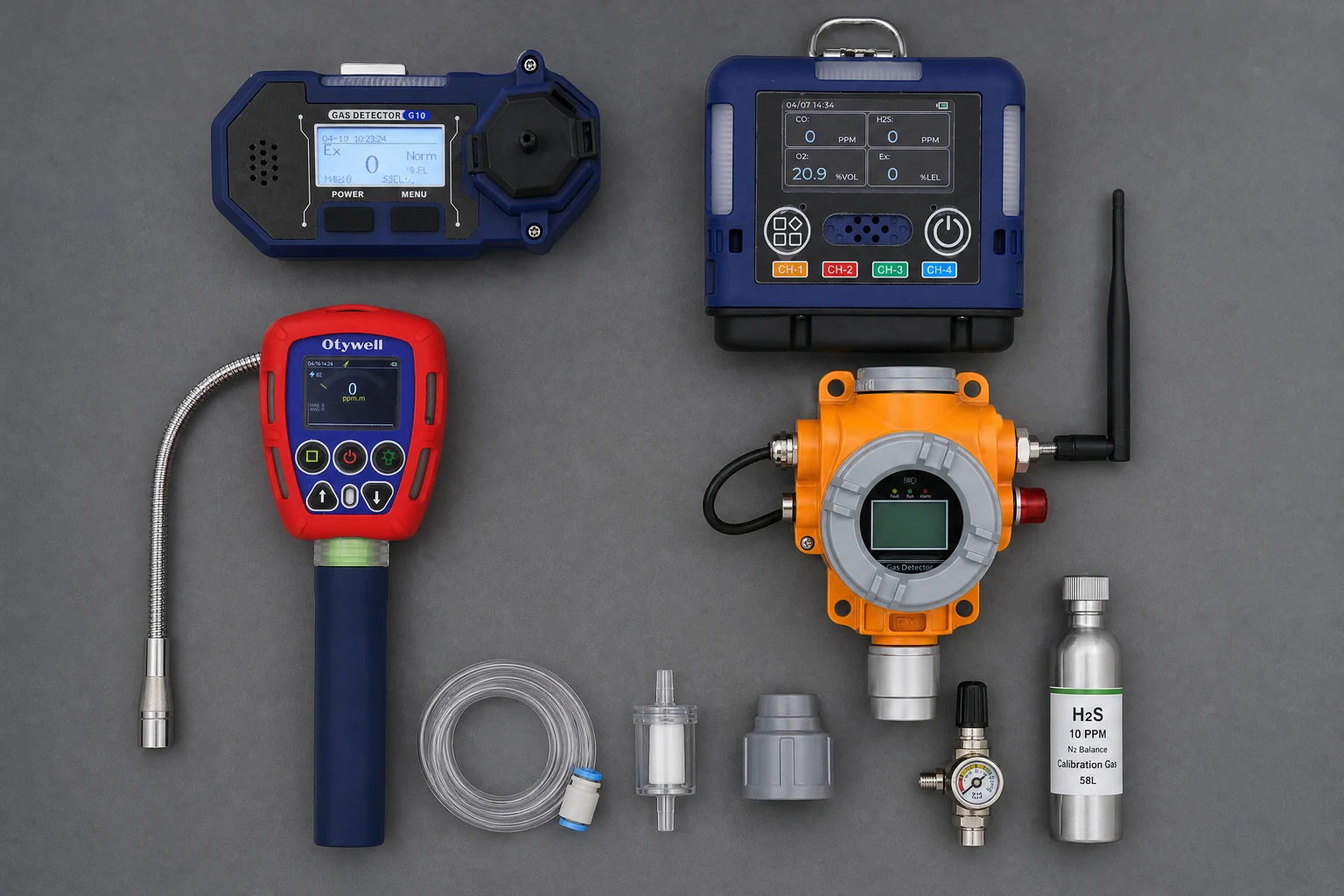
Use these product families as starting points for a configuration discussion. Specify H2S explicitly in the enquiry. The listed roles do not mean that every version of each model has the same sensors, sampling capability or system connections.
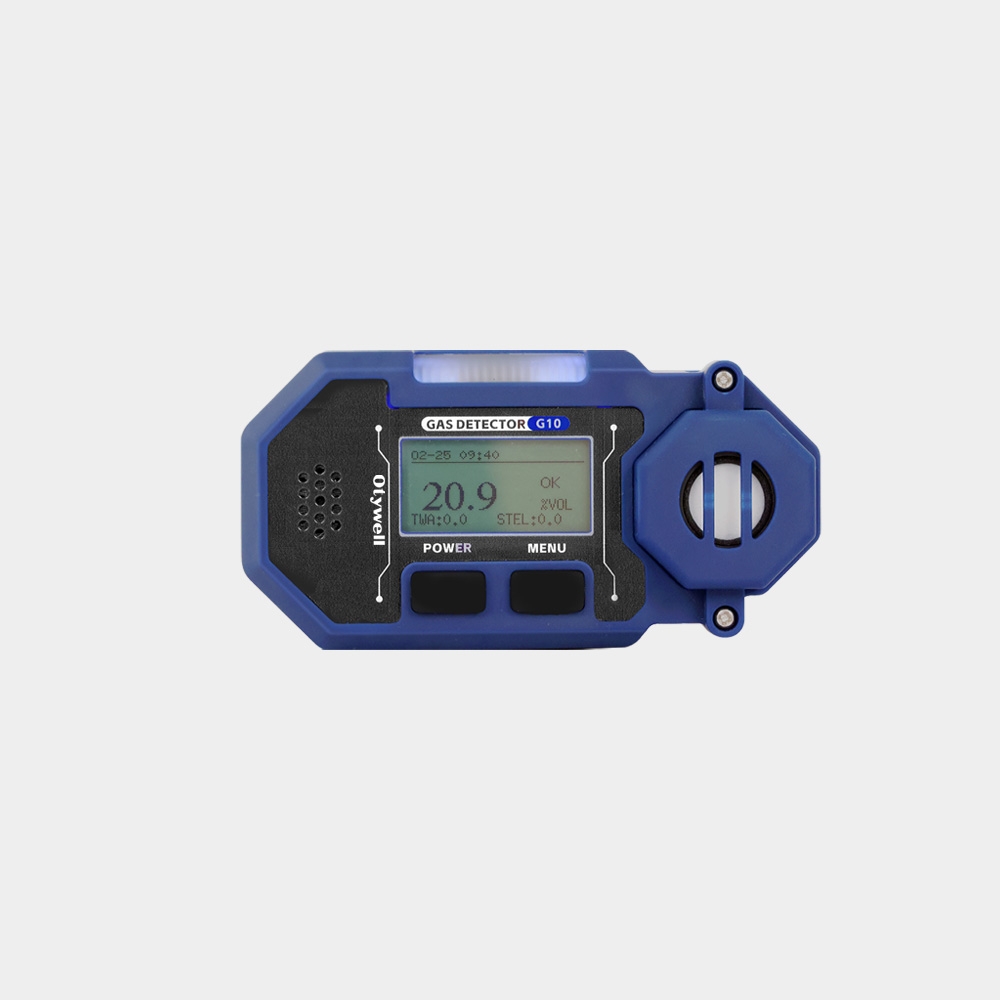
Personal single-gas monitoring
G10
Review the H2S sensor version for personal monitoring. Confirm its operating life, alarm functions and service requirements for your duty cycle.
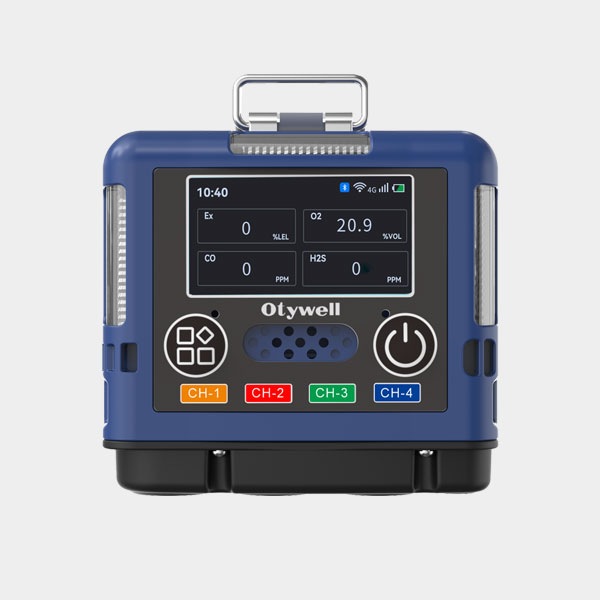
Personal multi-gas monitoring
G60
Consider the H2S, บจก, oxygen and combustible-gas combination where it matches the assessment. Confirm the channels supplied.
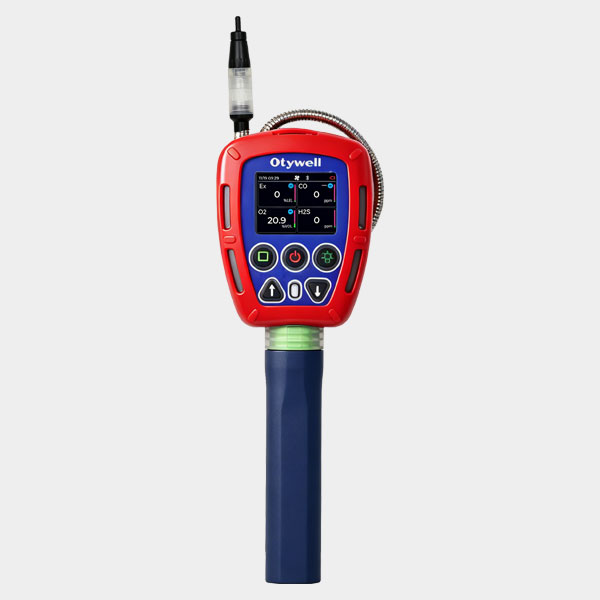
Pumped configuration enquiry
G90
Ask for the pumped multi-gas version with H2S and a confirmed sampling kit, not the methane-only or combustible-probe version.
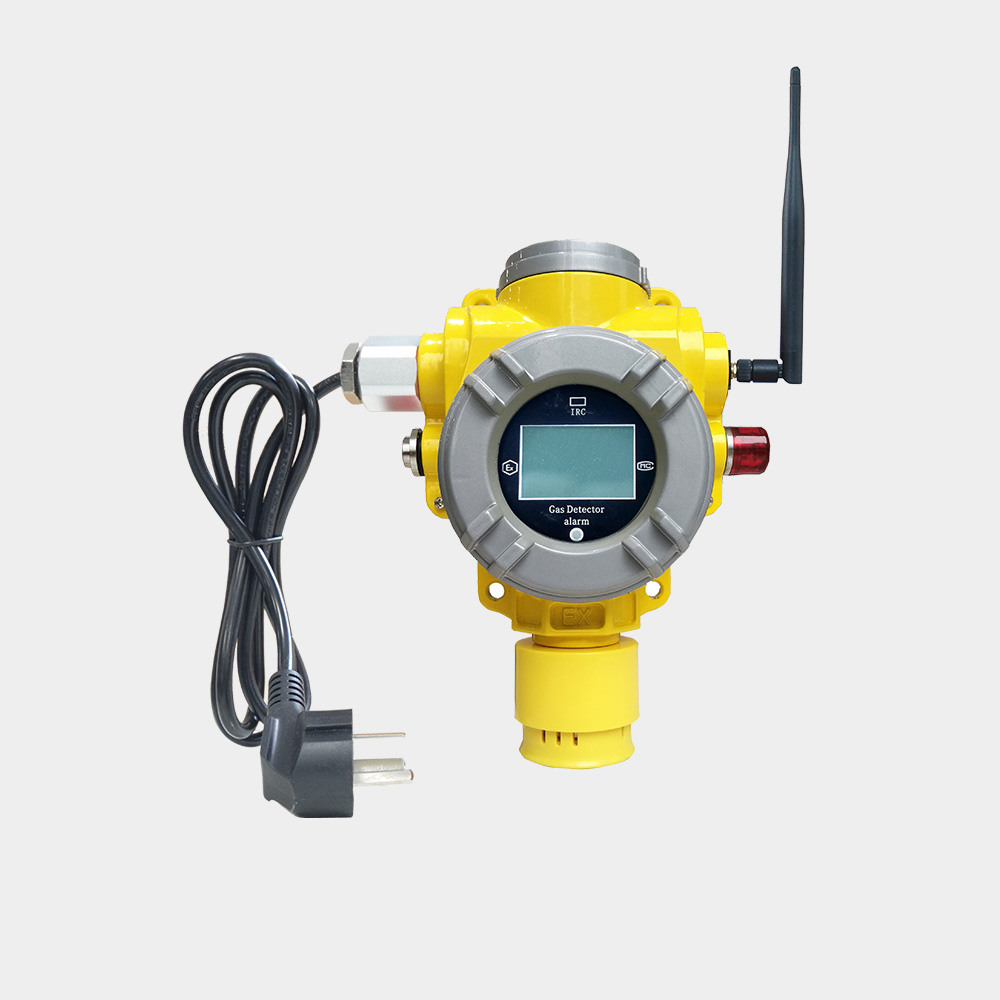
Fixed monitoring enquiry
TCB2-W
Discuss the H2S configuration and required monitoring unit. Confirm the signal arrangement, alarm equipment and supplied accessories.
Check Alarms, Testing and Service Requirements
Start with the response expected from the person receiving an alarm. Will a portable instrument be worn beneath other equipment? Can an operator identify its warning in the working environment? สำหรับระบบคงที่, establish where gas alarms and equipment faults will be indicated.
Confirm whether the selected model supports the alarm and recording functions the task requires. If TWA or STEL functions are specified, their settings and time basis need to match the approved monitoring program. An exposure limit, an instrument range and an alarm setpoint are not interchangeable numbers.
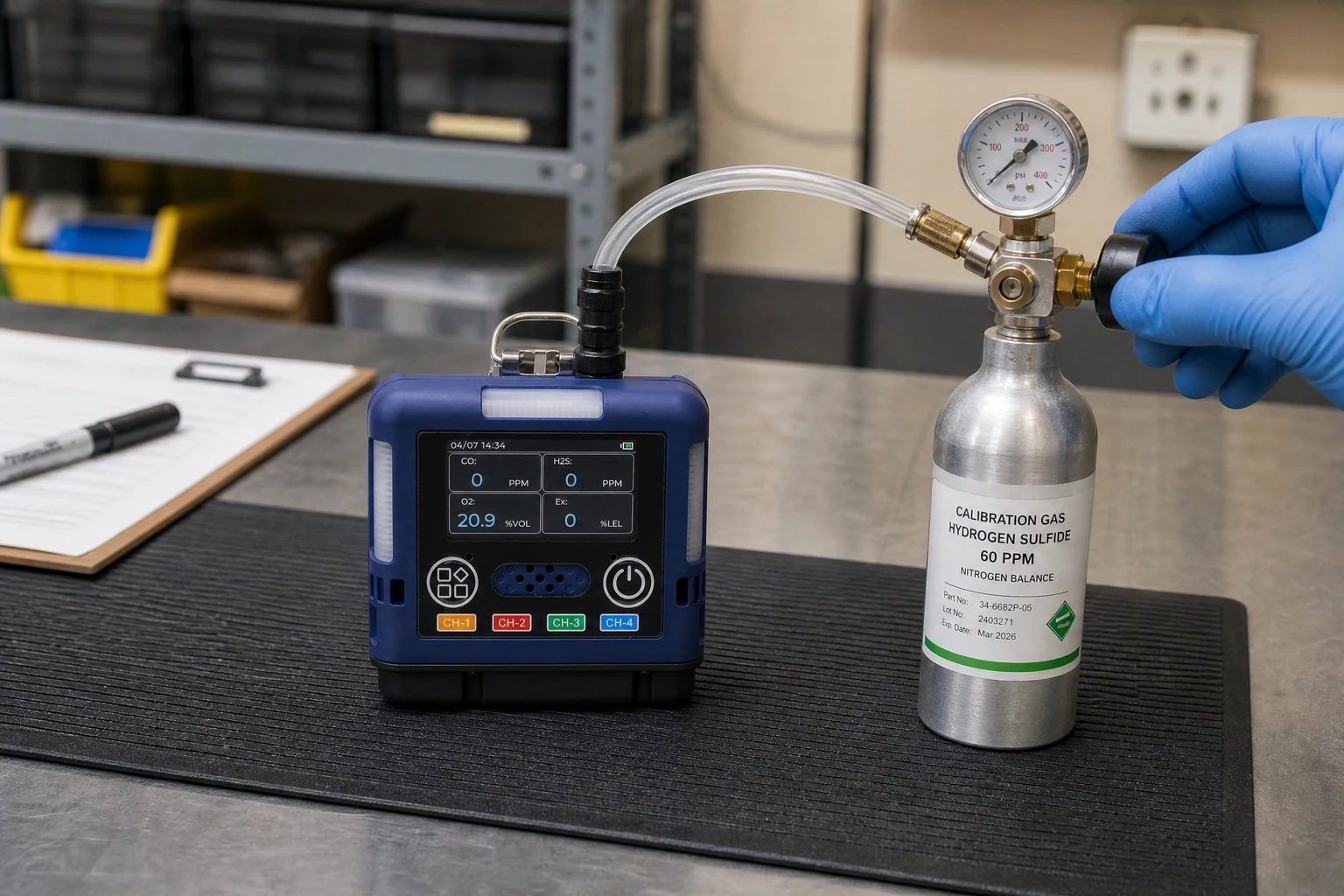
A bump test checks functional response to test gas; calibration concerns measurement accuracy and adjustment against a known reference. Follow the manufacturer’s procedure and the site program for both. A power-on self-test is not evidence that the sensor responds correctly to H2S.
Ask for the test gas, หน่วยงานกำกับดูแล, adaptor and other accessories required for the selected equipment. Agree on who performs the work, what records are retained and what happens when a detector fails a check. Do not assign one maintenance interval to every sensor simply to make the purchase order easier to administer.
Request a Quote for the Complete Monitoring Setup
A useful enquiry describes the job before requesting a model. Send the gas list, monitoring task, work environment, required measurement performance and any sampling or communication needs. Include the approval requirements and the number of workers or sensing locations.
Compare what is included. Ask for separate line items covering the instrument, เซ็นเซอร์ที่ติดตั้ง, sampling accessories, fixed-system components, testing equipment, commissioning and ongoing service. Confirm replacement parts and consumables as well as the initial hardware price.
Battery-operated equipment needs a clear operating-life basis. Rechargeable equipment needs a charging and availability plan. For fixed instruments, identify the power supply, controller and fault-reporting arrangements. Neither “portable” nor “fixed” defines the full cost of ownership.
For an Otywell quotation, provide the H2S monitoring task and required gas combination first. That makes it possible to discuss a suitable configuration without assuming that the smallest instrument, widest range or largest channel count is the right purchase.
คำถามที่พบบ่อย
Is a single-gas H2S monitor enough for confined-space work?
Not as a complete atmospheric assessment where oxygen, combustible gases or other toxic gases also need measurement. Select equipment through the site’s assessment and entry procedures. A single-gas unit may have a personal-monitoring role within that wider arrangement.
Can an oxygen monitor detect hydrogen sulfide?
เลขที่. Its oxygen channel does not measure H2S. A normal oxygen reading cannot rule out hydrogen sulfide; an appropriate H2S channel is required for that measurement.
Do I need a pumped or diffusion H2S detector?
Diffusion monitoring measures air reaching the instrument’s sensor. A suitable pumped arrangement draws a sample from a specified point. Choose according to the task and confirm the approved accessories and procedure, rather than assuming a pump makes every measurement better.
Can an air monitor measure hydrogen sulfide in water?
Not directly. An H2S air monitor should not be immersed or treated as a dissolved-sulfide instrument. Liquid-phase measurement needs equipment and methods designed for that purpose.
What should an H2S detector quotation include?
The exact configuration, measurement specification, relevant approvals, required accessories and maintenance scope. For remote sampling or fixed monitoring, request the complete arrangement, not just the detector’s price.

Wechat
สแกนรหัส QR ด้วย weChat