 Хэнаньская компания Otywell Electronic Technology Co., ООО

Парень зашёл в канализацию, чтобы прочистить засор. Прежде чем спуститься, он пристегивает свой детектор четырех газов.. Стандартная процедура. Пятнадцать минут спустя он не отвечает на радио.. Его сопровождающий забирается за ним. Ни то, ни другое не выходит.
Показания газа на обоих детекторах были нормальными вплоть до тех пор, пока они не стали. Но никто снаружи не услышал сигнала тревоги, потому что ни один из детекторов не мог передать сигнал за пределы собственного динамика.. Парень внутри был без сознания. Парень снаружи никогда не знал.
Вот и вся проблема с покупкой неправильного портативного мультигазового детектора для работы в ограниченном пространстве.. Дело не в показаниях газа. Речь идет о том, кто слышит тревогу.
В этой статье рассказывается, какой детектор купить в зависимости от того, как работает ваша команда.. Не на основе списка функций. В зависимости от того, видит ли ваш сопровождающий участника или нет.. Эта одна переменная определяет все.
Почему стандартного 4-газового агрегата недостаточно
Ваш типичный $50 к $90 4-детектор газа проверяет четыре вещи: кислород, горючий газ, окись углерода, сероводород. Эта часть в порядке. Эти четверо охватывают то, что OSHA 1910.146 требует.
Проблема во всем остальном.
Закрытые помещения не проветриваются. Газы находятся там, где их плотность определяет их положение.. H₂S раковины. Метан растет. CO висит повсюду. Детектор, прикрепленный к вашей груди, считывает воздух на уровне груди.. Он не знает, что находится над вашей головой или под ногами, пока вы не опустите зонд насоса до этих уровней перед входом.. Большинство команд пропускают этот шаг. Они пристегиваются и забираются внутрь..
Тогда есть проблема с кислородом. Обычный воздух это 20.9% О₂. Перетащите это на 17% и твой мозг замедляется. 12% и ты вышел. Под 10% и ты мертв. Вы никогда не почувствуете одышку, потому что ваше тело реагирует на накопление CO₂., не истощение O₂. Детектор - единственное, что его ловит.. Но только если он может рассказать кому-то.
Вот где дешевые агрегаты полностью терпят неудачу..
А $50 детектор издает звуковой сигнал и мигает, когда газ достигает порога. Он не делает ничего другого. Если человек, носящий его, находится без сознания 40 метров вниз по трубе, этот звуковой сигнал никому не помогает. Дежурный на поверхности ничего не слышит. Спасение начинается, когда кто-то смотрит на часы и понимает, что парень слишком долго лежал без сна..
Детектор замкнутого пространства делает три вещи по-другому.
Один, он подключается по беспроводной сети к другому устройству. У абитуриента срабатывает сигнализация, одновременно срабатывает блок дежурного. ЛоРа или 2.4 ГГц сетка, 100 к 500 метры. Не Bluetooth. Bluetooth внутри стального резервуара бесполезен за пределами досягаемости рук.
Два, он знает, когда владелец перестал двигаться. Акселерометр внутри. Движение прекращается слишком долго или регистрируется внезапный удар., устройство самостоятельно включает аварийную сигнализацию. Нажатие кнопки не требуется. Потому что человек без сознания не может нажать кнопку.
Три, он выживает в космосе. IP66 означает 12.5 струя воды мм при 100 литров в минуту в течение трех минут с трех метров. IP65 означает легкий распылитель.. Канализационные наводнения. Танк промывается под давлением. Силос наполняется пылью. Окружающей среде все равно, что говорит ваш рейтинг IP. Он просто делает то, что делает.
Помимо этих трех, вам также нужно минимум двенадцать часов работы от батареи и достаточно места для записи всей работы.. Десятисекундный интервал, восьмичасовая смена: о 2,880 записи. Добавьте регистрацию тревожных событий с разрешением в одну секунду, и вы захотите 30,000 минимум записей. Плюс USB или беспроводной экспорт. Данные, застрявшие на устройстве, не помогают сотруднику службы безопасности составить отчет о происшествии..
Все сводится к одному вопросу
Может ли сопровождающий видеть участника??
Вот и все. Все остальное вытекает из этого.
Сопровождающий может видеть участника
Вход в резервуар с открытым люком вверху. Неглубокий свод. Платформа непосредственно над рабочей зоной. Прямая видимость сохранялась все время.
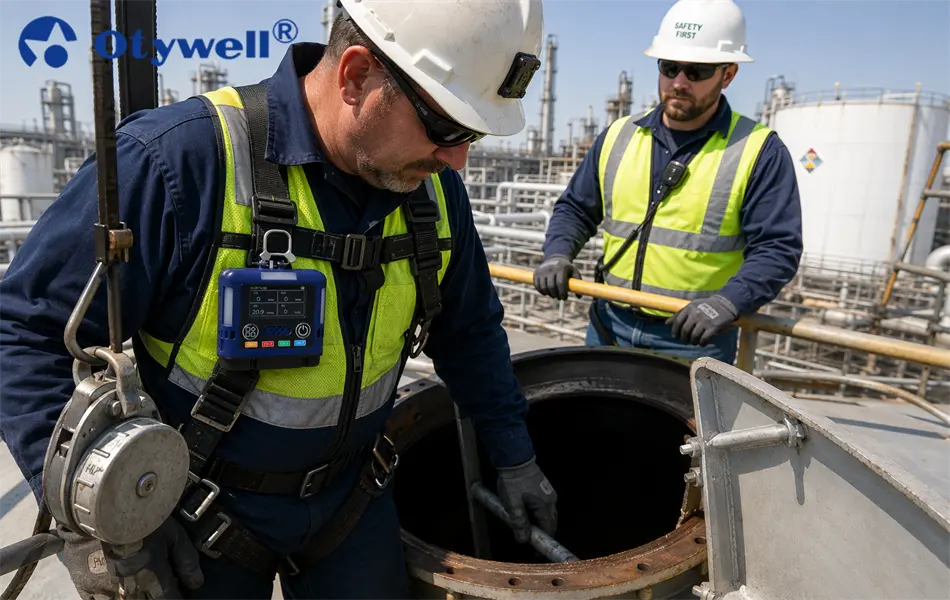
Здесь вам не нужна беспроводная связь. Дежурный наблюдает за работником. Могу кричать. Можно посмотреть, если что-то не так. Что вам нужно, это свет, жесткий, и достаточно места для хранения данных, чтобы охватить весь проект, не касаясь устройства.
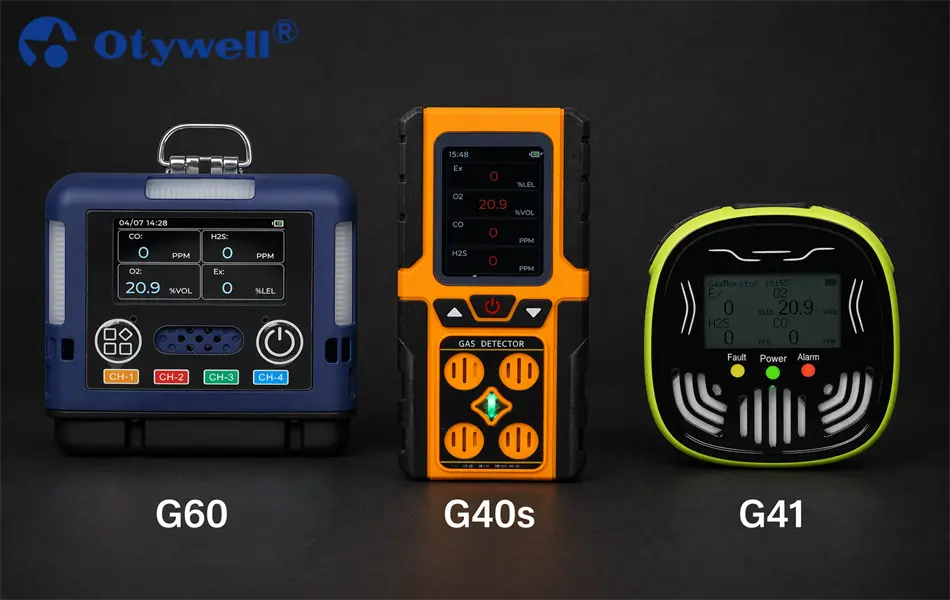
Получите Отивелл G60. Он весит 165 граммы. IP66 плюс. ATEX Ex ia IIC T4 Ga, рейтинг для зоны 1 и 2 с газовыми группами от IIA до IIC. Водородные среды, ацетилен, без проблем. Обнаруживает четыре газа, пять, если вы заказываете по индивидуальному заказу. Магнитная USB-зарядка. Двенадцать часов без подзарядки.
Деталь, которую никто не ожидает по этой цене: 300,000 записи данных с отметкой времени. Большинство $100 к $130 детекторы дают вам 10,000 к 50,000. G60 дает вам от шести до тридцати раз больше. Пять человек над месячным танковым проектом. Каждое чтение, каждую смену, никаких перезаписей. Всегда.
Он не поддерживает беспроводное соединение и не сигнализирует о падении.. Это не обязательно. Дежурный стоит тут же.
| Параметр | G60 |
|---|---|
| Газовые каналы | 1 к 4, 5 по индивидуальному заказу |
| Выборка | Естественная диффузия |
| Защита | IP66 плюс |
| Батарея | 2,000 мАч литий-ионный, 12 часы |
| Рекорды | 300,000 |
| Масса | 165 г |
| Зарядка | Магнитный USB |
| Сертификаты | АТЕХ CLEx24.1023, Ex ia IIC T4 Ga |
| Цена | $100 к $130 |
Сопровождающий не видит участника
Канализационная линия с изгибом. Глубокий люк со смещенным доступом. Многоуровневый резервуар. Туннель. Ползание по трубе, где ты исчезаешь за углом. Никто не смотрит на рабочего.
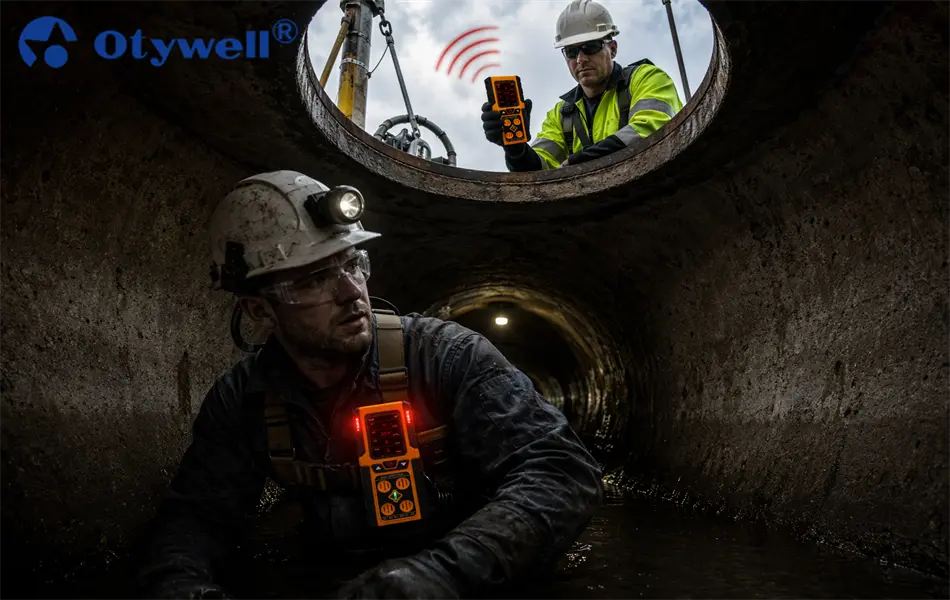
Детектор — единственное связующее звено между человеком внутри и человеком, который может начать спасательную операцию.. Если он не подключается по беспроводной сети и кричит, когда владелец падает, Спасение начинается, когда кто-то замечает, что расписание нарушено. Это не протокол безопасности. Это азартная игра.
Получите Отивелл G40s. Беспроводная сетчатая сигнализация, связывающая устройства между собой. Обнаружение падения на основе акселерометра. Отдельная кнопка SOS.. BeiDou и GPS-позиционирование, поэтому координаты отображаются при каждом сигнале тревоги.. Когда срабатывает газовая сигнализация въезжающего, срабатывает пульт дежурного. Когда участник перестает двигаться, срабатывает пульт дежурного. Когда абитуриент нажимает кнопку SOS, координаты передают.
Экран переворачивается на ноль 180 степени. Крепление на грудь, ты смотришь вниз, и цифры обращены к тебе. Портативный, оно переворачивается назад. USB-зарядка типа C, тот же кабель, что и у любого современного телефона. 3,000 аккумулятор мАч, двенадцать часов плюс. IP66 плюс. 30,000 настраиваемые записи. 210 граммы.
Это модель для любого замкнутого пространства, где дежурный находится снаружи., слеп к тому, что происходит внутри, и единственное, что восполняет этот пробел, — это детектор на груди абитуриента..
| Параметр | G40s |
|---|---|
| Газовые каналы | О₂, ЛЭЛ, СО, H₂S |
| Выборка | Естественная диффузия |
| Связь между устройствами | Беспроводная сетка, та же модель |
| Функции безопасности | Сигнализация падения с акселерометром, кнопка SOS |
| Позиционирование | Бэйдоу плюс GPS, 4G опционально |
| Экран | ЖК-дисплей, от нуля до 180 переворот градусов |
| Зарядка | Тип C USB |
| Защита | IP66 плюс |
| Батарея | 3,000 мАч литий-ионный, 12 часы плюс |
| Рекорды | 30,000 |
| Сертификаты | АТЕХ CLEx24.1023, Ex ia IIC T4 Ga |
| Масса | 210 г |
Работнику необходимо освободить обе руки
Сварщик внутри танка. Электрик в туннеле тянет кабель. Монтажник позиционирует груз. Обе руки на инструментах. Детектор сундука проверяет все, цепляется за строительные леса, мешает.
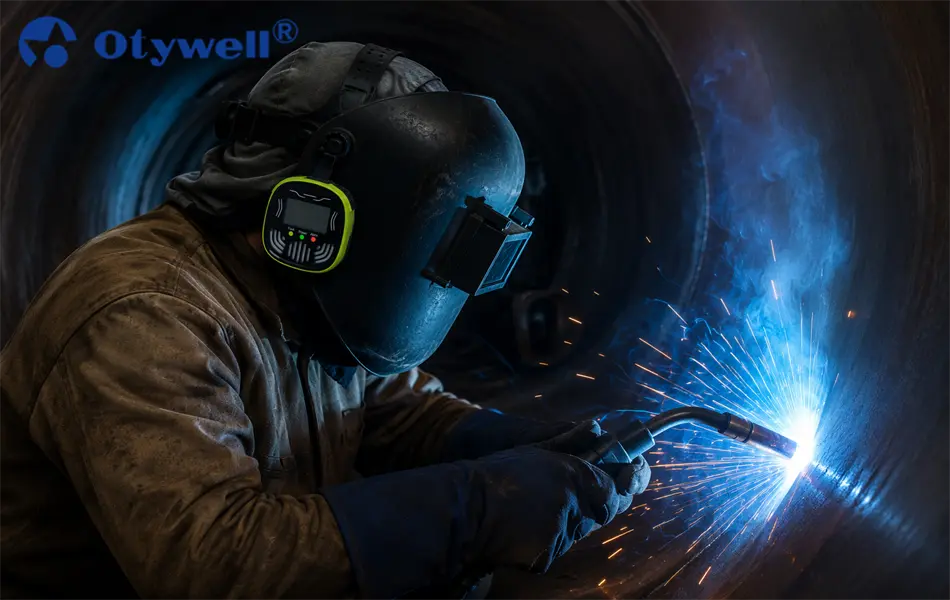
Наденьте его на шлем. Или запястье.
Получите Отивелл G41. В комплекте зажим для шлема и ремешок на запястье.. Встроенная сигнализация падения и SOS.. Многопротокольная беспроводная связь, инфракрасный, Bluetooth, Лора, 4Г. Он связан с другими детекторами в замкнутом пространстве и портативными анализаторами.. Дополнительное зарядное устройство док-станции для команд, стыковка пяти агрегатов на одном тросе в конце смены.
Он меняет уровень защиты на носимый форм-фактор.. IP65 вместо IP66. Нет переворота экрана. Если вы выполняете сварку в сухом резервуаре для хранения, крепление для шлема того стоит. Если в вашем замкнутом пространстве есть стоячая вода, используйте G40 в качестве основного и G41 в качестве вторичного на шлеме.
| Параметр | G41 |
|---|---|
| Газовые каналы | О₂, ЛЭЛ, СО, H₂S |
| Выборка | Естественная диффузия |
| Монтаж | Зажим для шлема и ремешок на запястье |
| Функции безопасности | Сигнализация падения, кнопка SOS |
| Беспроводная связь | И, Bluetooth, Лора, 4Г |
| Позиционирование | Бэйдоу плюс GPS |
| Зарядка | Кабель плюс дополнительная док-станция |
| Защита | IP65 |
| Рекорды | 30,000 |
| Сертификаты | АТЕХ |
| Масса | О 200 г |
Четыре ошибки, которые стоят дороже детектора
Покупка по цене
А $75 блок с двухлетним датчиком и фирменным зарядным устройством за три года стоит дороже, чем $150 блок с пятилетним сенсором и USB C. Сенсорные модули работают $30 к $60 каждый. Калибровочный газ и рабочая сила, $50 к $100 за единицу в год. Подведите итоги за три года, не наклейка.
Покупка без соответствия комплектации
Экипаж в неглубоком своде, прямо над ним стоит сопровождающий.? Беспроводная связь является бонусом, не необходимость. Экипаж обходит поворот канализационной линии? Беспроводная связь — единственное, что может отделить упавшего рабочего от спасателей. Сопоставьте детектор с вашим протоколом входа, не для таблицы сравнения функций.
Игнорирование степени защиты
Тот же люк. Сухо всю зиму.. Затоплен летним штормом. IP65 обрабатывает чистящий спрей. IP66 выдержит худший день в этой дыре. Разница в цене небольшая. Разница в достоверности не.
Плата за функции, которыми никто не пользуется
Восемь газов, PID в частях на миллиард, лазерная телеметрия. Лабораторные инструменты. Специализированное промышленное оборудование. В вашем ограниченном пространстве необходимы четыре газа и описанные выше функции.. Дополнительные каналы добавляют веса, этапы калибровки, и точки отказа.
Затраты, которые не отображаются в счете-фактуре
Детектор замкнутого пространства работает $100 к $300. Ниже этого вы теряете хотя бы одну из трех критически важных функций.. Выше этого вы платите за газовые каналы или сенсорные технологии, которые ваша команда не будет использовать..
Замена датчика, $30 к $60 на канал каждые несколько лет. Калибровочный газ и рабочая сила, $50 к $100 за единицу каждый год. Фирменное зарядное устройство, которое кто-то потерял, означает севший детектор. USB C или магнитная зарядка полностью устраняют этот режим отказа..
Одна реальная активация тревоги при падении, вызывающая настоящую спасательную операцию, покрывает стоимость каждого детектора на объекте..
Три вопроса, которые следует задать перед покупкой
Подключен ли ваш детектор к другому устройству по беспроводной сети?? В ответе должно быть указано название протокола., ЛоРа или 2.4 ГГц сетка, и подтвердите, что участник соединен с сопровождающим. Bluetooth не является решением для металлических корпусов.
Обнаруживает ли он падение сам по себе?? Акселерометр внутри. Движение останавливается, пожарная сигнализация. Кнопка SOS как запасной вариант для сознательных работников. Если ответ “у нас есть тревожная кнопка,” это нет. Человек без сознания не может ничего нажать.
Какова степень защиты и стандарт испытаний?? IP66 или выше, МЭК 60529. IP65 – это пол. Ниже IP65, блок не должен находиться где-либо с жидкостью или пылью.
Так какой же
| Ситуация | Модель | Ключевые характеристики |
|---|---|---|
| Сопровождающий видит абитуриента | G60 | 165 г, IP66 плюс, 300,000 записи, $100 к $130 |
| Сопровождающий не видит участника | G40s | Беспроводная сетка, сигнализация падения, SOS, GPS, IP66 плюс |
| Работнику нужны обе руки | G41 | Крепление на шлем или запястье, сигнализация падения, SOS, док-станция |
Если сопровождающий не видит участника, а участнику нужны обе руки, G40 является основным на груди и G41 — дополнительным на шлеме..
Быстрые ответы
Сколько газов? Четыре. О₂, ЛЭЛ, СО, H₂S. Это касается кислорода, легковоспламеняющийся, и токсичные риски.
Нужен ли он каждому работнику?? Да. Каждый участник носит один. Дежурный носит один комплект для приема беспроводных сигналов тревоги изнутри..
Как долго они длятся? Корпус устройства, от трех до пяти лет при нормальном промышленном использовании. Электрохимические датчики, зависит от экспозиции. Следуйте графику калибровки производителя..
Сколько данных достаточно? 30,000 записи охватывают десятидневную непрерывную работу с десятисекундной регистрацией. Если детектор хранит меньше этого, вы будете разгружаться в середине проекта или потеряете данные.

Вичат
Сканируйте QR-код с помощью WeChat