 Henan Otywell Electronic Technology Co., Ltd

An oxygen deficiency monitor measures oxygen in the surrounding air. It can warn of falling oxygen levels where nitrogen or another gas displaces air, or where a process consumes oxygen. It does not identify every hazardous gas, measure nitrogen purity or find the source of a leak.
That distinction matters when specifying equipment. A nitrogen generator room and a gas-fired boiler room may both need gas detection, but the monitoring tasks are different. Start with what can be released, where it can travel and who could be exposed. Then decide whether the site needs fixed oxygen monitoring, personal detection, additional gas channels or a combination.
Match Oxygen Monitoring to the Risks at Your Site
A room name is not a detector specification. The table below is a starting point for a site assessment, not a standard gas package for every installation.
| Setting | Role of oxygen monitoring | Other questions to resolve |
|---|---|---|
| Boiler rooms | Assess a credible oxygen-depletion or maintenance-entry risk. | Which fuel is used? Could fuel gas or carbon monoxide enter the room? |
| Laboratories | Assess displacement from inert gas supplies and operations. | Are CO₂, hydrogen or toxic gases also used? |
| Wastewater plants | Assess oxygen loss in enclosed process and access areas. | Which areas may contain H₂S, methane, CO₂ or treatment chemicals? |
| Chemical plants | Assess personnel exposure around nitrogen blanketing and purging. | What flammable or toxic materials are present? |
| Utility tunnels | Assess the atmosphere by compartment and task. | What services, external gas sources and ventilation paths exist? |
| Nitrogen generator rooms | Assess ambient oxygen loss from nitrogen releases. | Are storage vessels, distribution lines and use points included? |
A normal oxygen reading is not an all-clear. Carbon monoxide, hydrogen sulfide and other hazardous gases can require action without producing a useful oxygen-deficiency warning. Choose the measured gases from the hazard assessment, not from the number of sensors a detector can hold.
Oxygen Monitoring Across Six Industrial Settings
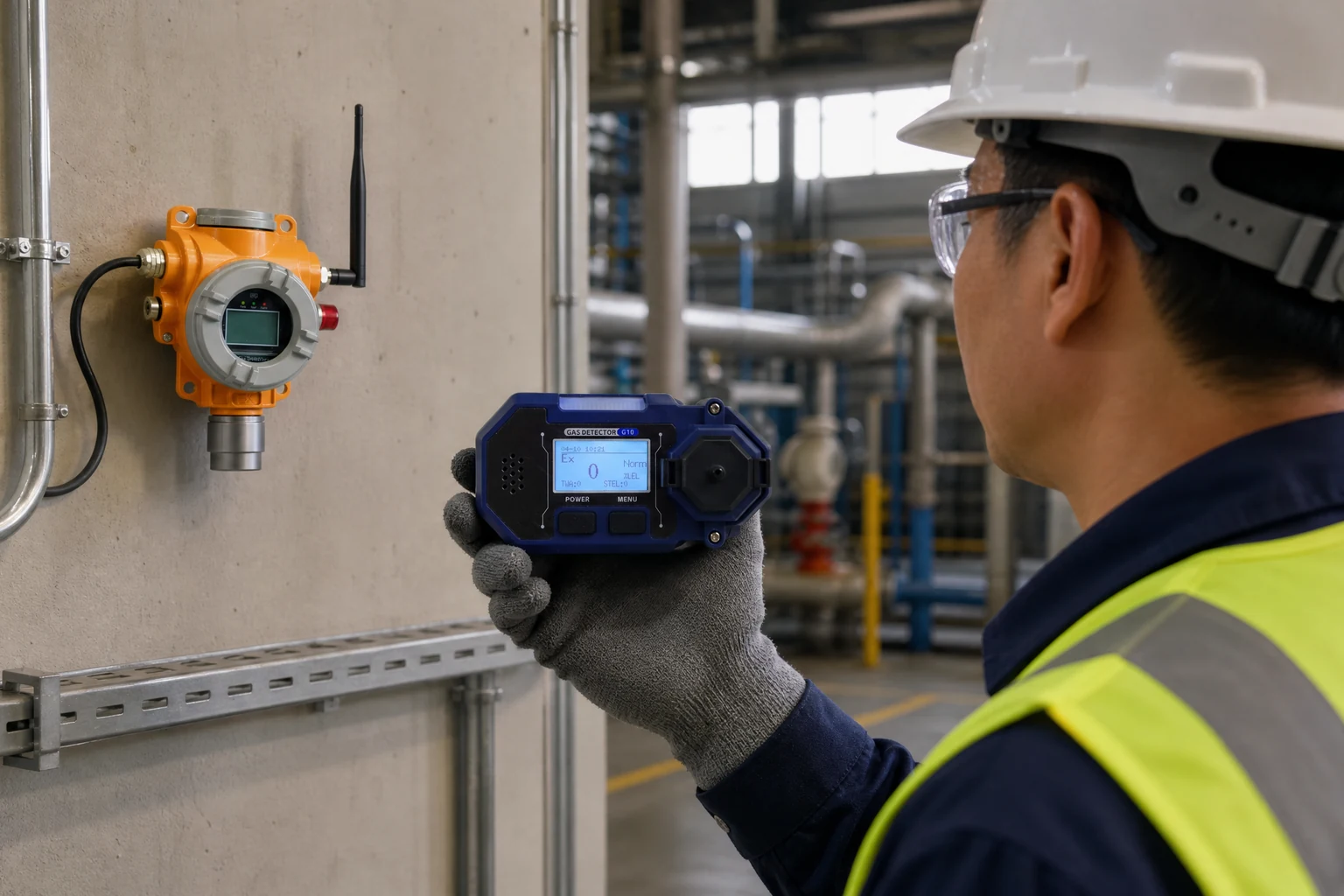
Boiler Rooms: Oxygen Monitoring Does Not Replace Fuel Gas or CO Detection
In a gas-fired boiler room, fuel leaks and combustion products need separate attention. Review the gas train, valves and connections for potential fuel releases. Consider whether incomplete combustion or a defective flue could expose people to carbon monoxide. An oxygen sensor is not a substitute for either fuel-gas detection or CO detection.
Oxygen monitoring becomes a separate specification question where the assessment identifies a credible depletion scenario or a maintenance task involving an enclosed space. The answer should follow the actual installation; it should not be assumed simply because the room contains a boiler.
Also distinguish a room-air monitor from a flue-gas analyzer. The latter measures combustion conditions in a different sampling environment. One instrument should not be proposed for both duties without explicit manufacturer approval.
For comparison, IGD’s boiler-room application guidance addresses fuel gases and combustion products as distinct detection tasks.
Laboratories: Assess Inert Gas Supplies and Room Ventilation
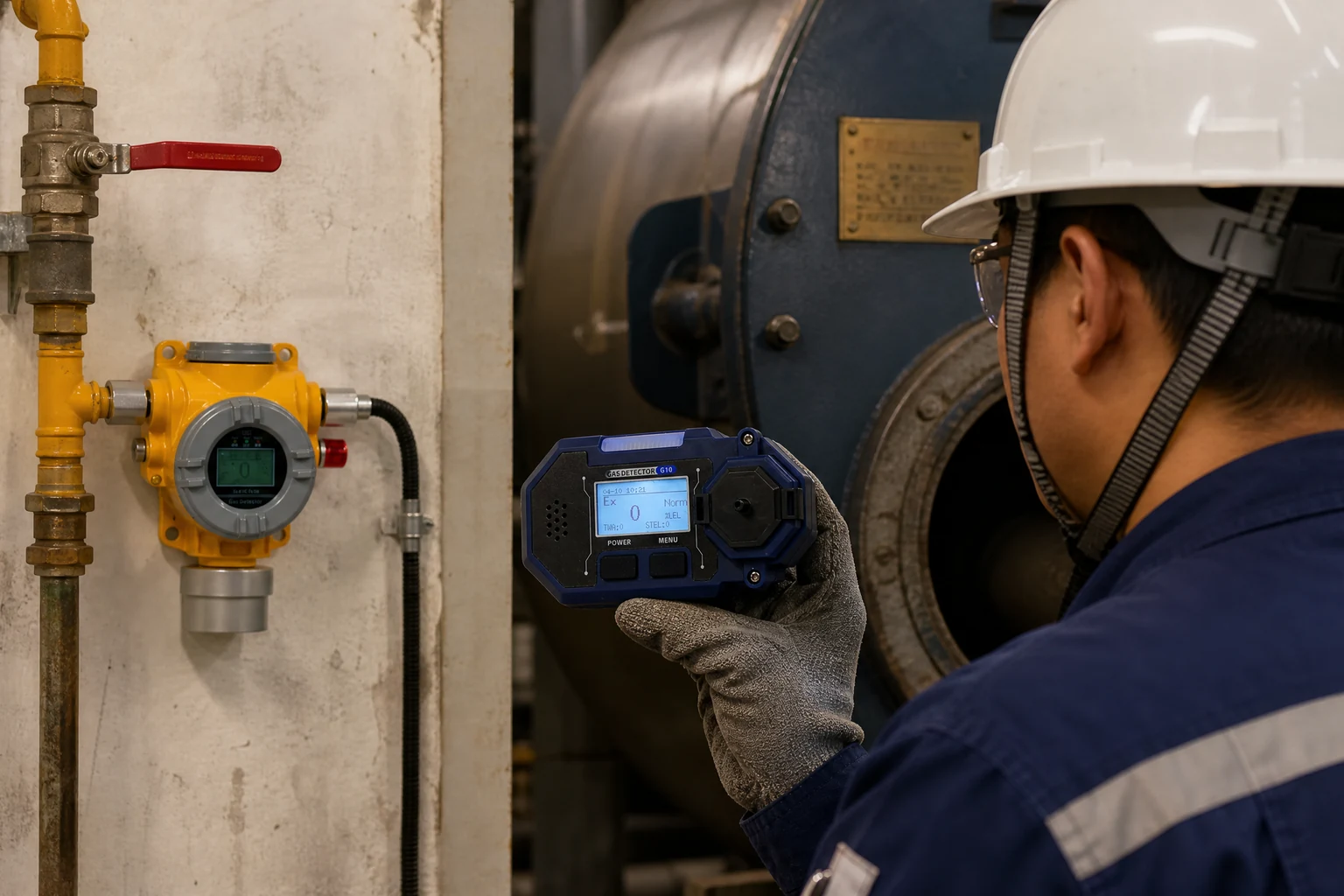
For a laboratory using nitrogen or argon, begin with the supply route: cylinders, manifolds, regulators, instrument connections and any outlets inside the room. Where liquid nitrogen is actually used, include its handling and release scenarios in the assessment rather than treating it as an ordinary compressed-gas connection.
The gas inventory alone is not enough. Record how much gas could enter the room, the room layout and ventilation conditions, including unattended operation and loss of extraction. These inputs help a competent designer decide whether fixed oxygen monitoring is needed and where warnings should be visible.
A laboratory oxygen monitor does not cover all laboratory gases. CO₂ needs its own assessment; oxygen measurement does not replace CO₂ exposure monitoring. Hydrogen and toxic gases likewise require appropriate channels where the process presents those hazards. Review the specification when instruments or experiments change, not only when a detector reaches the end of its service life.
Wastewater Treatment Plants: Combine Oxygen Checks with Process-Specific Gas Detection
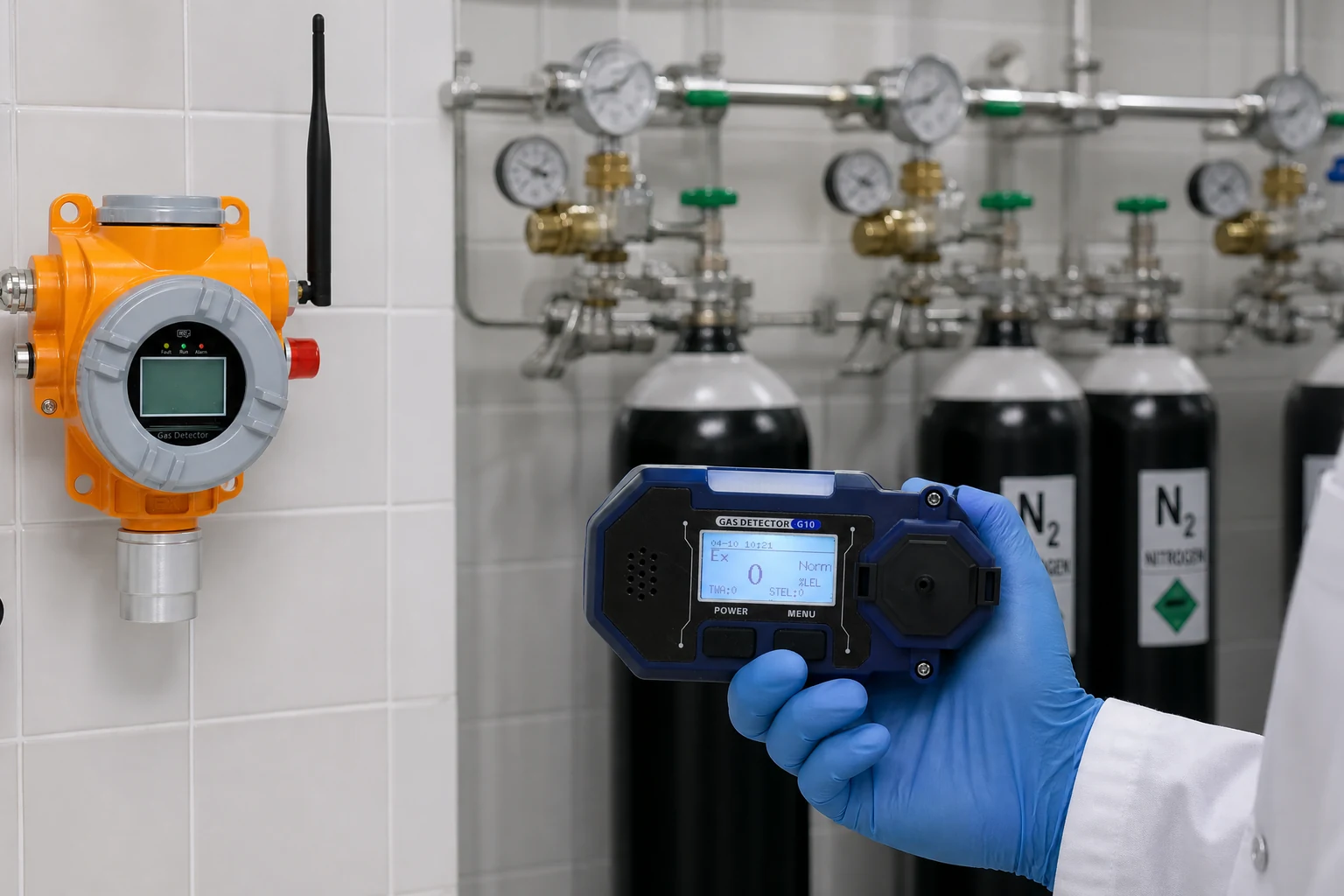
Focus the assessment on actual work areas: enclosed pump rooms, sludge-handling spaces, chambers and access points. An open treatment basin does not present the same monitoring problem as an enclosed room beside it.
Dräger’s wastewater safety guidance distinguishes oxygen-depletion and CO₂ concerns in enclosed aerobic processes from methane and hydrogen sulfide concerns associated with anaerobic breakdown. Those differences are a reason to specify monitoring by process area rather than buy one detector configuration for the entire plant.
Fixed equipment can provide ongoing warning in a defined area. Personal monitoring serves a different purpose when staff move between areas or perform maintenance. Neither removes the need for the site’s entry procedures, ventilation and emergency arrangements. Include humidity, condensation and maintenance access in the equipment review, and assess disinfectant gases separately where they are used.
Chemical Plants: Separate Workplace Oxygen Safety from Process Oxygen Analysis
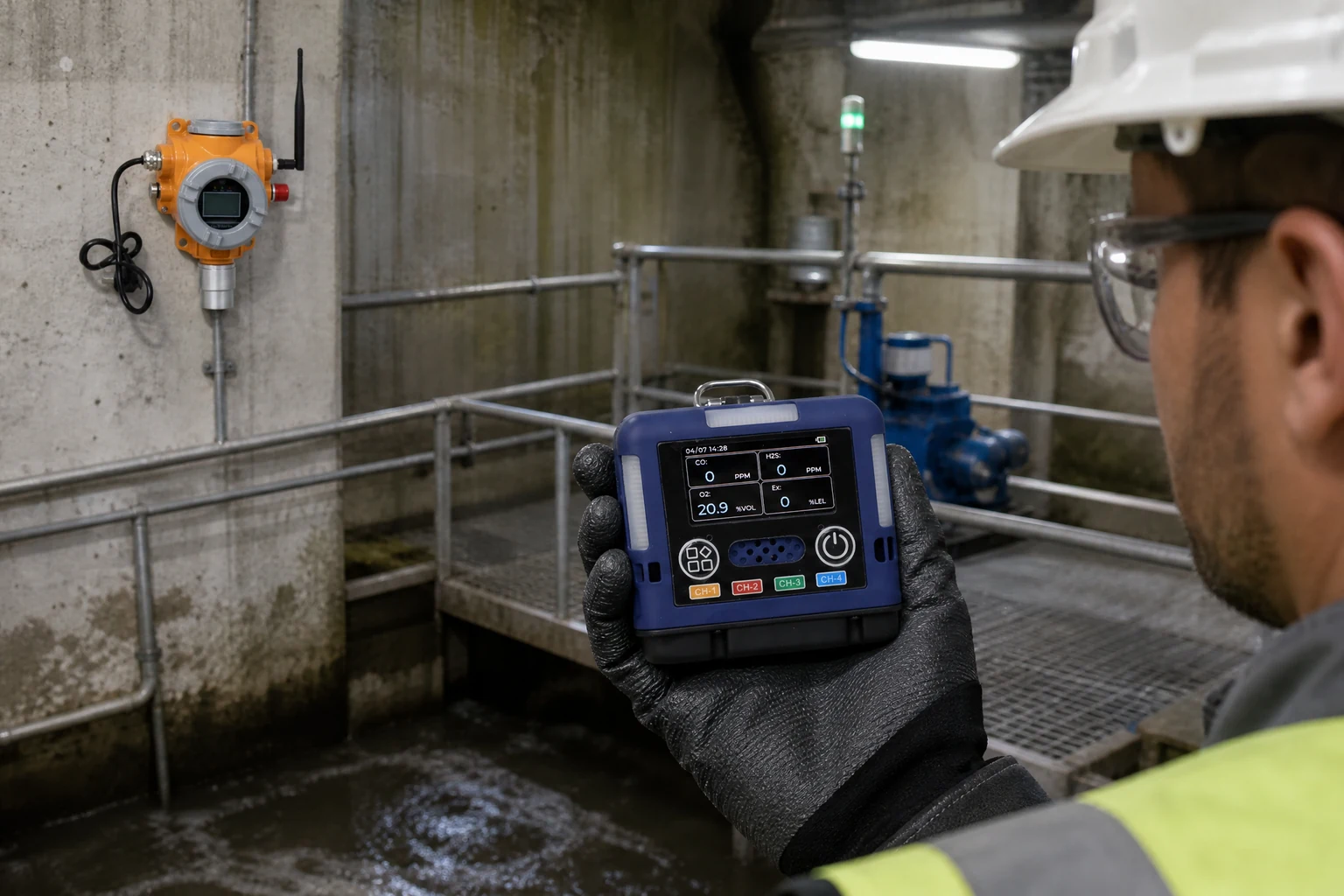
Nitrogen blanketing and purging deliberately change the atmosphere inside equipment. The procurement question for personnel safety is different: could released gas reach a place where people work, inspect equipment or approach an opening?
An analyzer controlling oxygen inside a reactor or tank is not automatically suitable for monitoring room air. Its range, sampling arrangement and operating conditions may address an entirely different task. Specify the process measurement and workplace measurement separately.
For the workplace system, identify release locations and the chemicals that may accompany the operation. Oxygen monitoring cannot replace the relevant flammable or toxic-gas detection. Check the exact detector variant against the installation’s hazardous-area classification and local approval requirements. A general description such as “explosion-proof” is not enough to establish suitability, and an enclosure’s water-resistance rating does not establish explosion protection.
Underground Utility Tunnels: Assess Compartments, Ingress and Entry Risks
Being underground does not by itself prove that a tunnel is oxygen-deficient. Establish which services run through it, what substances could enter from adjacent ground or structures, and what maintenance activities could change the atmosphere.
Assess separate compartments and ventilation routes. A reading near an entrance may not represent a remote section or an isolated recess. Fixed detector locations should follow the assessed release and airflow conditions, not a repeated spacing chosen without reference to the tunnel layout.
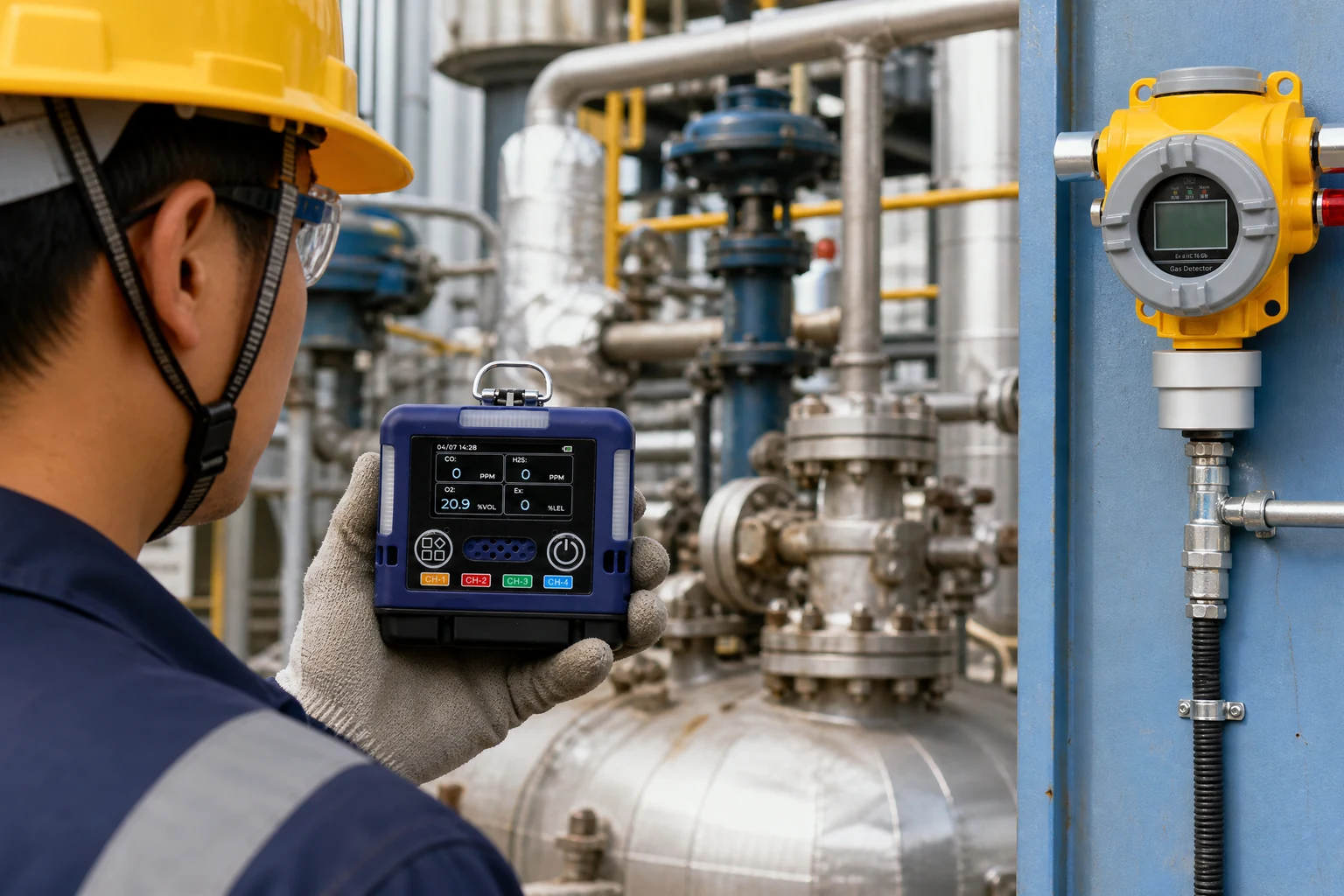
Select personal equipment for the gases and tasks identified by the site assessment. A standard four-gas instrument may be relevant, but it is not a universal tunnel package. Where pre-entry remote sampling is required, confirm that the instrument and its sampling accessories are designed for that duty. A diffusion monitor worn by a worker does not perform remote sampling merely because it measures the same gases.
Nitrogen Generator Rooms: Monitor Ambient Oxygen, Not Nitrogen Purity
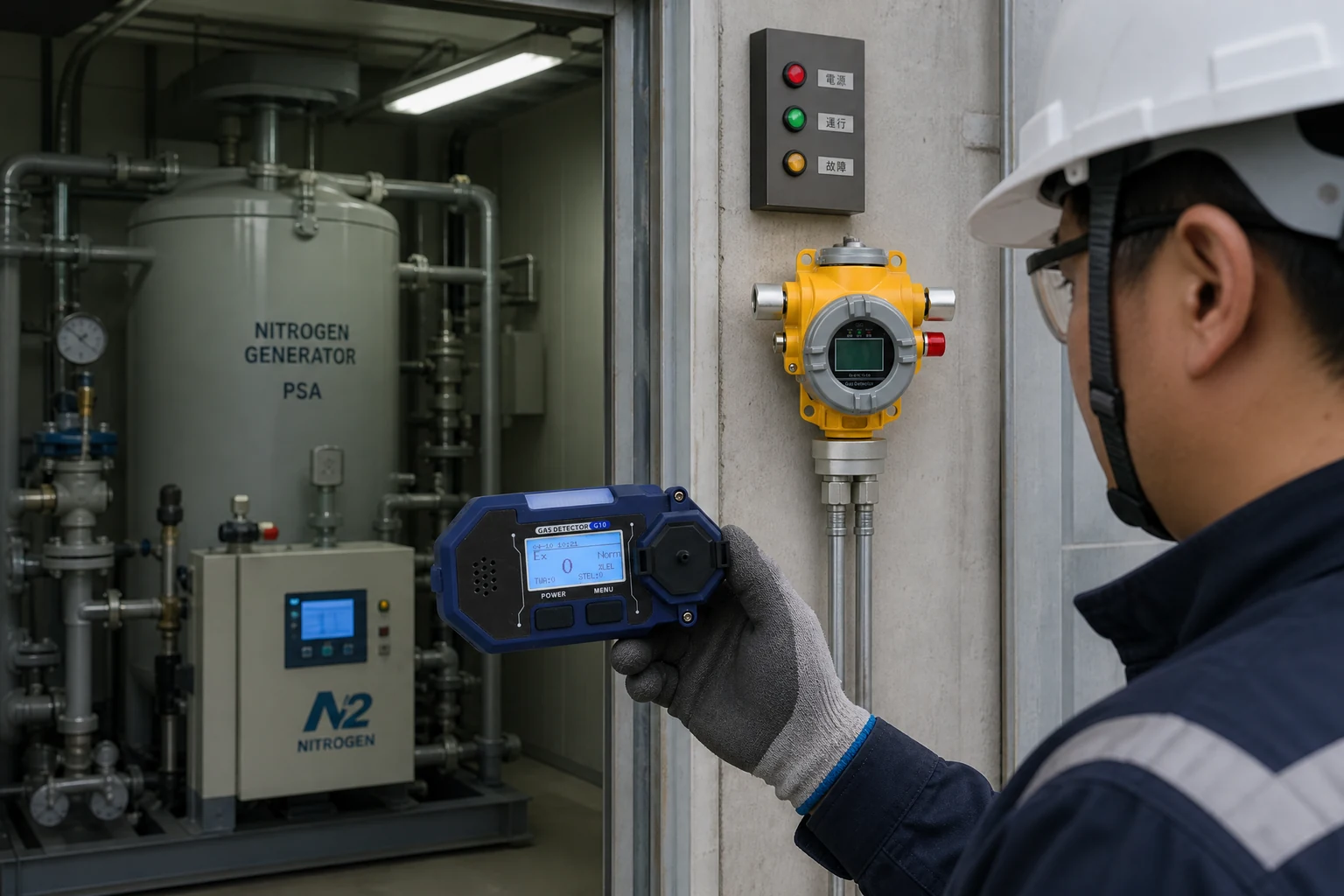
The nitrogen generator room is a direct application to assess for oxygen displacement. Include the generator, nitrogen storage vessels, fittings and distribution pipework. Do not stop at the machine-room door: nitrogen may be used in another room with different ventilation and occupancy.
The US Chemical Safety Board’s nitrogen asphyxiation safety bulletin explains the hazard of oxygen displacement. Nitrogen gives no useful smell warning. An ambient oxygen deficiency monitor measures the resulting oxygen condition; it does not measure nitrogen purity or identify a leaking fitting.
Consider whether people can see the room status before entering, whether alarms can be heard in the working environment, and what happens if the monitor loses power. Any ventilation or equipment interlock needs a defined, reviewed response. Do not assume one wall-mounted detector covers the generator room, adjoining storage and every use point.
Otywell Monitoring Options to Discuss for Your Application
The products below address different monitoring duties. Specify the oxygen version where required, and confirm the supplied sensor configuration, accessories and approvals in the quotation. They are not a pre-engineered package for all six settings.
Fixed monitoring
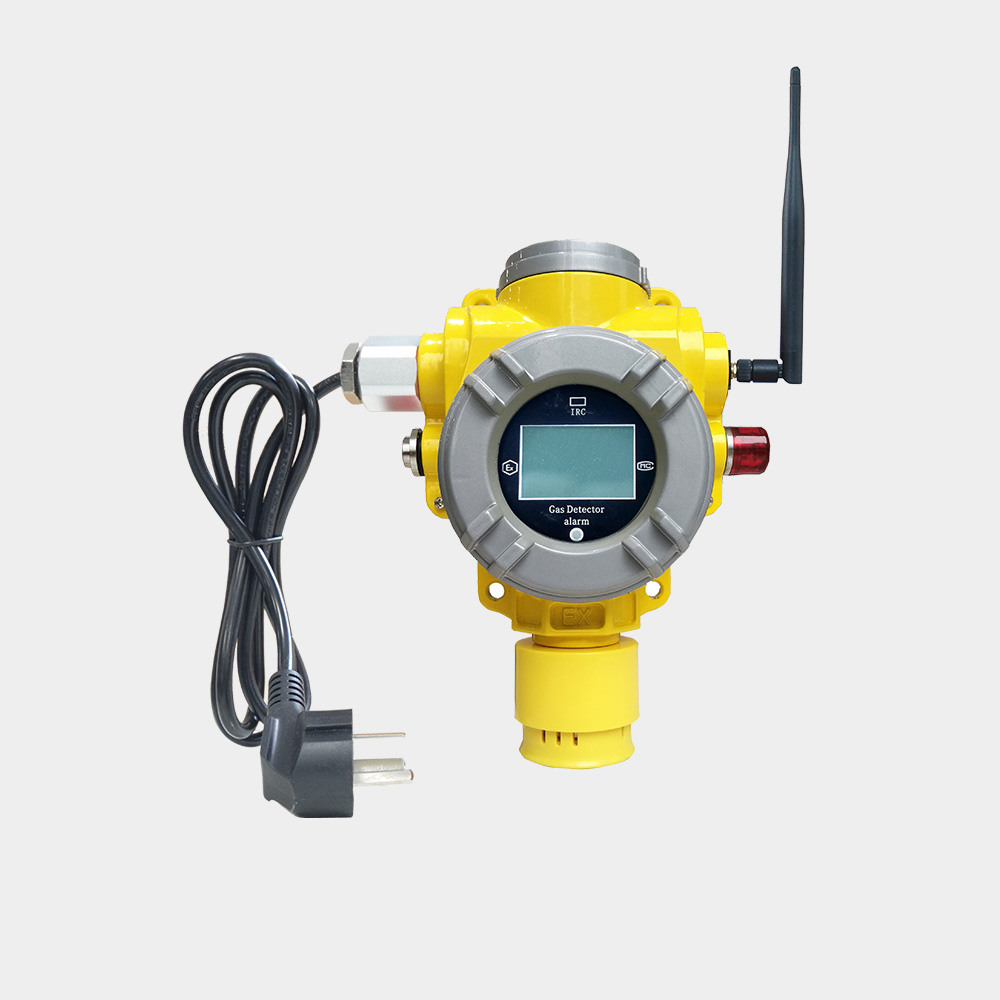
TCB2-W
Discuss the oxygen configuration for continuous area monitoring. Confirm the communication arrangement and compatible alarm equipment.
Fixed detector configuration
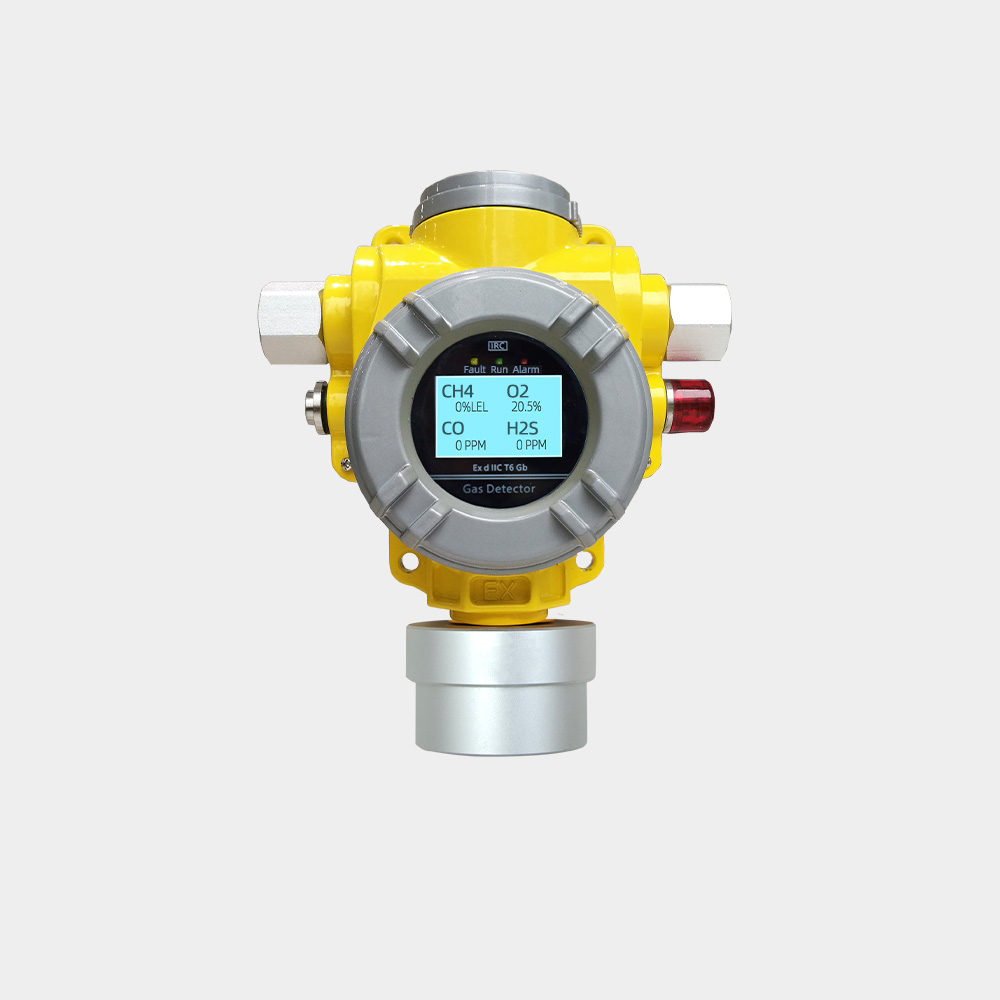
TCB2-F
Review the required oxygen and other gas channels. Confirm the exact combination and how it connects to the proposed system.
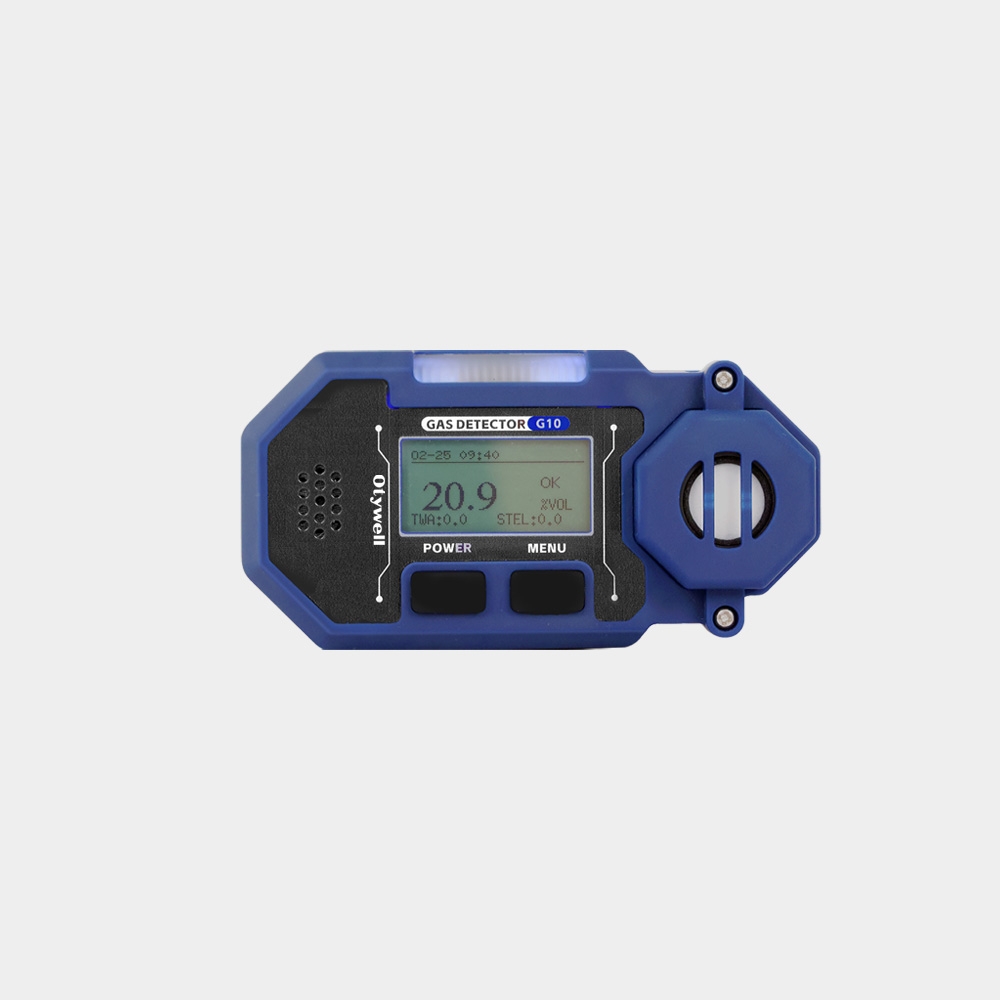
Personal single-gas monitoring
G10
Consider the oxygen version for the assigned personal-monitoring task. Confirm its operating life and maintenance requirements.
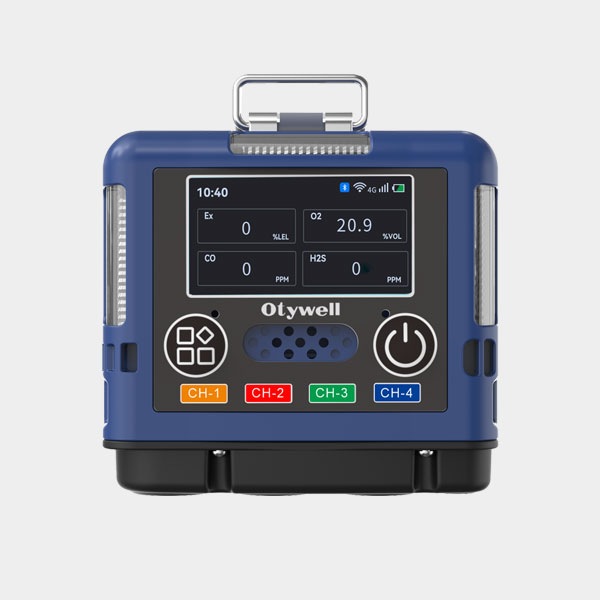
Personal multi-gas monitoring
G60
Review the O₂, combustible gas, CO and H₂S combination where it matches the assessment. It does not add a CO₂ channel.
Specify Sensor Locations, Alarms and System Interfaces
A product comparison should go beyond range and price. Before approving a fixed oxygen deficiency monitor, ask for a layout showing the proposed sensing points and the reason for each location. That review should consider likely releases, airflow, partitions, access and conditions at the sensor.
There is no single mounting height or detector-per-square-metre rule that resolves all six applications. Keep maintenance practical as well: a sensor that cannot be reached safely is harder to inspect and test. Where remote sampling is proposed, confirm the sample path, materials, response delay and maintenance requirements with the supplier.
- Alarm visibility: Can personnel recognize the warning from their work positions and before approaching an affected area?
- Fault reporting: How are sensor failure, power loss and communication loss distinguished from a healthy reading?
- Interfaces: Does the supplied variant support the signals required by the controller or building system?
- Response: Who acts on each alarm, and how are any ventilation or shutdown actions tested?
Document alarm thresholds and response actions for the application rather than copying a catalogue setting. Our guide to gas detector alarm settings provides background on the terminology; the site specification still needs its own review.
Agree on inspection, functional testing and calibration requirements for the actual equipment. Include the necessary accessories, records and maintenance responsibilities in the handover. A maintenance claim for one sensor technology should not be applied to every detector in the quotation.
Prepare the Information Needed for a System Quote
A useful enquiry describes the measurement task before naming a model. Send a marked-up room or area plan with the gas inventory, supply locations, ventilation arrangements and normal work activities. Explain what changes during maintenance, unattended operation or a ventilation failure.
Also provide the installation environment, required power and communications, and the standards or approval requirements applicable to the project. Ask the supplier to separate included equipment from options.
Compare the complete scope. Check sensing points, controllers, local and remote displays, sounders, installation accessories, commissioning, test equipment, documentation and maintenance support. Two quotations with the same number of oxygen sensors may still describe very different systems.
For an Otywell enquiry, identify which of the six settings applies and the duty you need covered: continuous area monitoring, personal monitoring or a defined sampling task. That gives the product discussion a practical starting point without assuming that a single detector can perform every role.
Frequently Asked Questions
Does a nitrogen generator room need an oxygen deficiency monitor?
It should be assessed for oxygen displacement from credible nitrogen releases. The inventory, release scenarios, ventilation and occupancy determine the monitoring requirements. Include storage and use areas, not just the generator itself.
Is an oxygen monitor enough for a boiler room?
No. It cannot replace fuel-gas or carbon monoxide detection where those hazards exist. Assess oxygen monitoring as a separate requirement, based on the installation and work activities.
Can one oxygen monitor cover several rooms?
Do not assume it can. Separate rooms may have different gas sources and ventilation. A system can support multiple sensing points, but the required locations and coverage need to be established for the site.
Does a normal oxygen reading rule out toxic gases?
No. An oxygen sensor does not identify or quantify toxic gases. Use the appropriate gas-specific measurements and follow the site’s operating or entry procedures.

WeChat
Scan the QR Code with wechat